Ursodeoxycholic acid (UDCA) and obstetric cholestasis
Reduces the itching but not by much.
Our factorial trial of ursodeoxycholic acid (UDCA) and/or early delivery as treatments for obstetric cholestasis (OC) has just been published in the BMJ. Here’s the link to the full article. Here‘s the one page summary. It’s open access, so free to readers*, but if there’s a problem here’s a copy of the pdf. PITCH trial BMJ.
Although the largest trial yet, it was nowhere near big enough to measure the effect of UDCA on baby outcomes with any precision. So before we unblinded the drug arms we did two things. First we agreed on a primary outcome, the average of all itching scores measured between randomisation and delivery. Second we surveyed expert obstetricians, and women identified via the OC support group, and asked them:
“If your [patient’s] itching score was 60 out of 100, (where 0 = no itching and 100 = worst possible/intolerable) how much of an improvement would make it worth your while to take an unlicensed and, as regards fetal safety, unproven but widely used drug every day?”
To help them we suggested that they obviously would not bother to take the drug if it reduced the score by only one point down to 59, but they probably would if it reduced it by 60 points down to zero. We wanted them to tell us the threshold that would make taking UDCA worth the inconvenience.
Individual responses varied but the average for patients and doctors was the same. They would take the drug if it reduced the score by 30 points or more.
And the true effect? UDCA reduced the itching score by only -16 points with a 95% confidence interval of -27 to -6.
In summary it works, but not much. The size of the effect is so small that most women and doctors would judge the benefit as hardly worth the hassle and the risks.
Next project. Repeat the trial in 2,000 women to measure the effect on the baby.
Better hurry. In the UK alone nearly 5,000 women get given UDCA every year outside trials and no-one knows if it does more good than harm.
Jim Thornton
*Nottingham university paid a compulsory authors fee to the BMJ to make the article open access, and the government gives Nottingham a research subsidy to cover these fees. I.e. you, the taxpayer, paid to read my article whether you wanted to or not!
Canoeing the Middle Mosel
Trier to Traben Trarbach
Between 1951 and 1966 the German section of the Mosel river was tamed by ten hydroelectric power plants – we started below the top one. Our trip includes the Middle Mosel, famous for the sweet Reisling wine grown on the steep south-facing slaty slopes.

Commercial barges (click here) are the main hazard.
0 km – Trier. Birthplace of Karl Marx. A wine city since Roman times. Not much wine grown locally now, but the big Mosel estates have cellars here. Ignore the bistros on the central squares and try Theo’s by the Porta Nigra. Schales mit Apfelmus turned out to be something like a Spanish Omelette with apple sauce. Delicious.
Camping Treviris. Click here. Left bank a few hundred yards above the Roman Bridge.

Lovely site, although the brothel 50 yards downstream startles a bit – unexpected in such a small town.
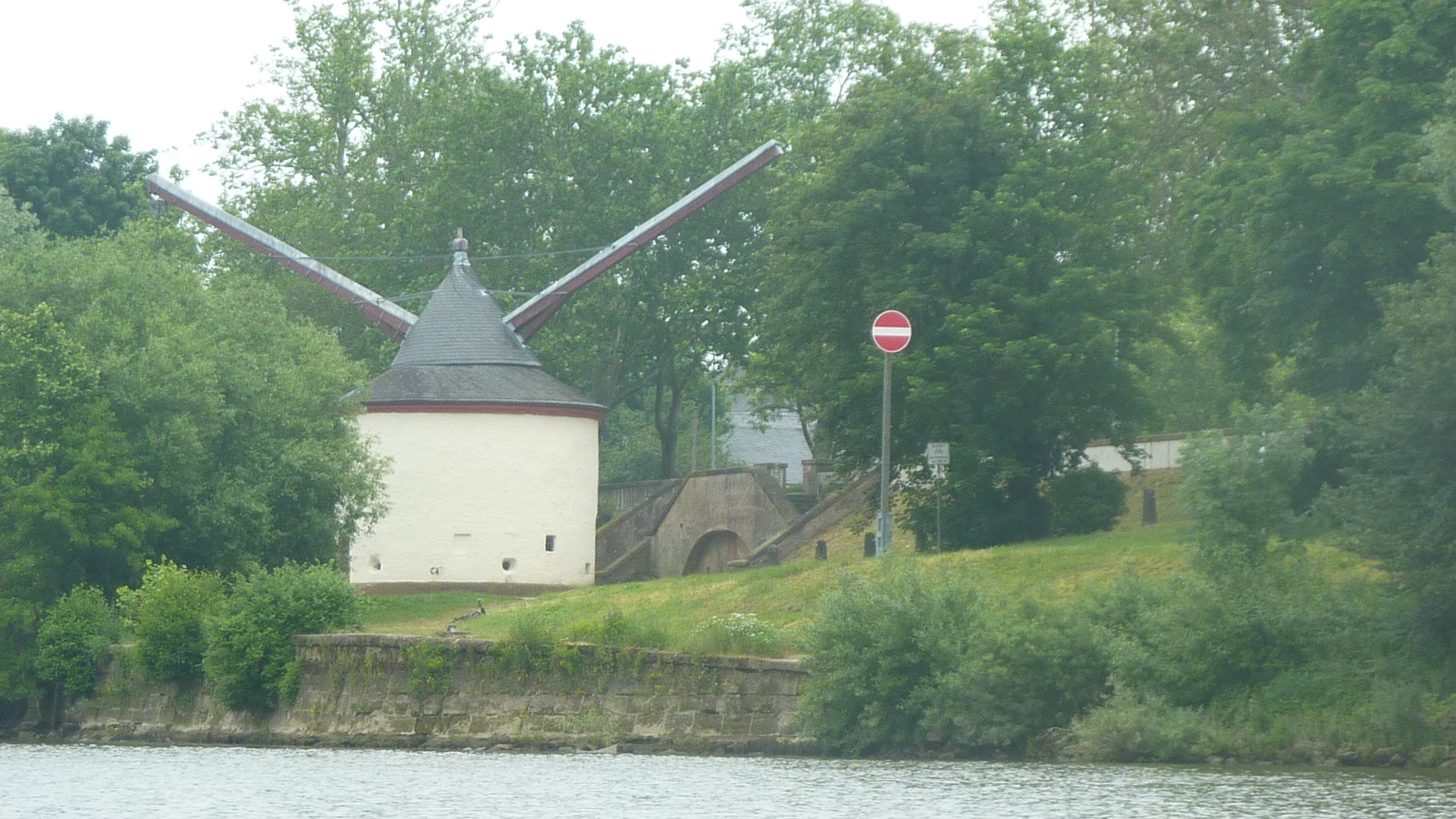
0.5 km – Roman Bridge. The treadwheel cranes on the right bank date from 1413 and 1774.


1.5 km – Kaiser-Wilhelm Bridge
2 km – Site of Trier cable car on the red Triassic sandstone cliffs left. Dismantled after an operator fell to his death in 2004

5.5km – Railway Bridge

6 km – Pfalzel left


7 km – River Ruwer joins right.


The famous vineyards on this tiny stream are all within a few miles of the mouth, but the 602 traffic makes a landing unenticing.
8 km – Docks left

8.5 km – Road Bridge E44

9 km – River Kyll joins left
Say goodbye to the sandstone. The bedding planes dip west and you’re paddling over progressively older rock.

13 km – Schweich. Old ferry toll house, camping, bars, restaurant and marina left (click here). A good lunch spot.


13.5 km – Road Bridge. Schweich left
13.75 km – E44 motorway bridge
The river starts to cut through the older Devonian Hunsrück Slate, and the first vineyards appear on the hills to the left.
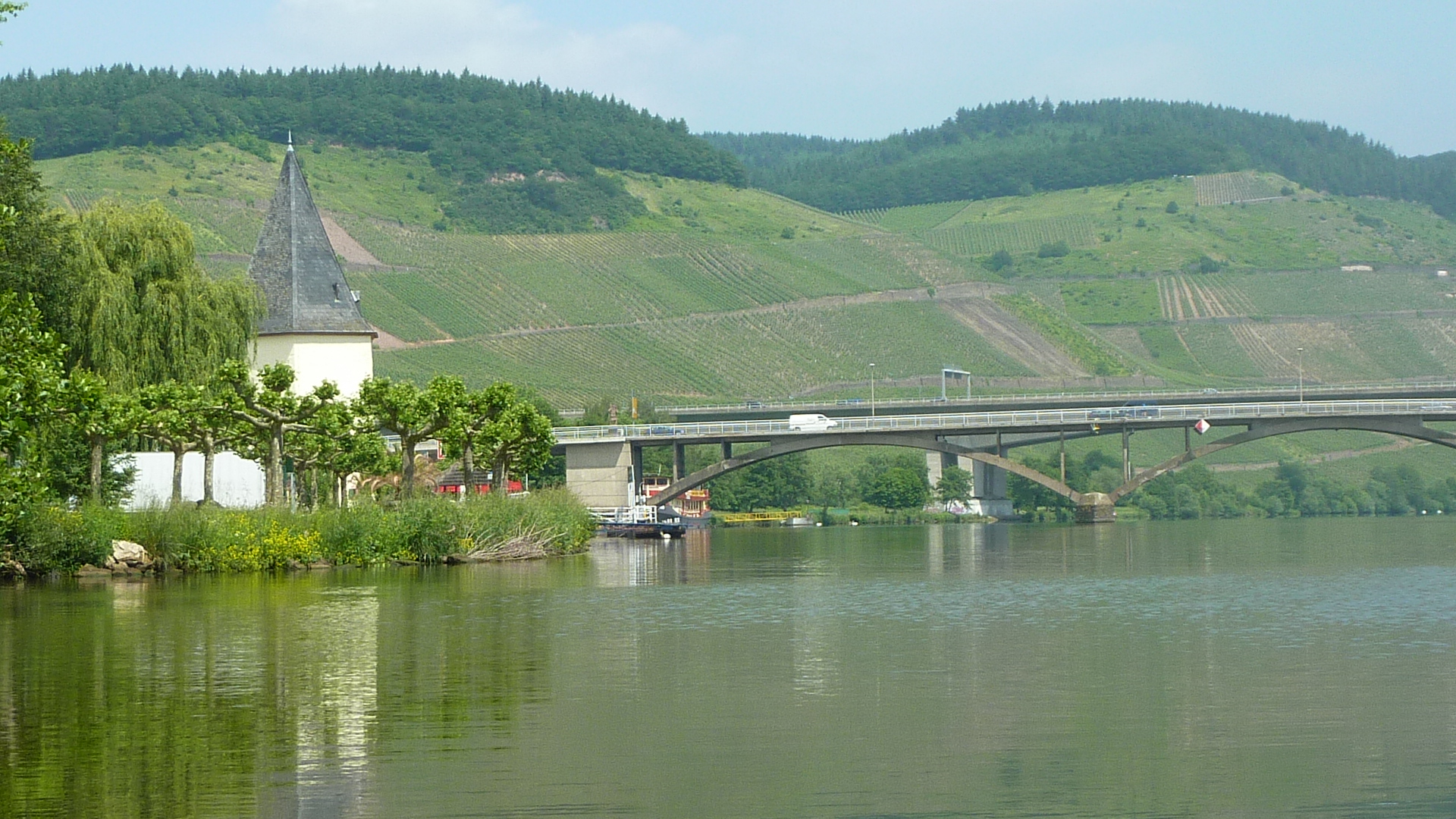
Longuich right
15.75 km – Longuich bridge

16 km – River Feller Bach enters right. Longen left. Population 87 – one of the smallest villages in the middle Moselle valley
Riol right.
Mehring left.
21 km – Mehring bridge


21.5 km – camping Mehring (Tel 06502 7612) right


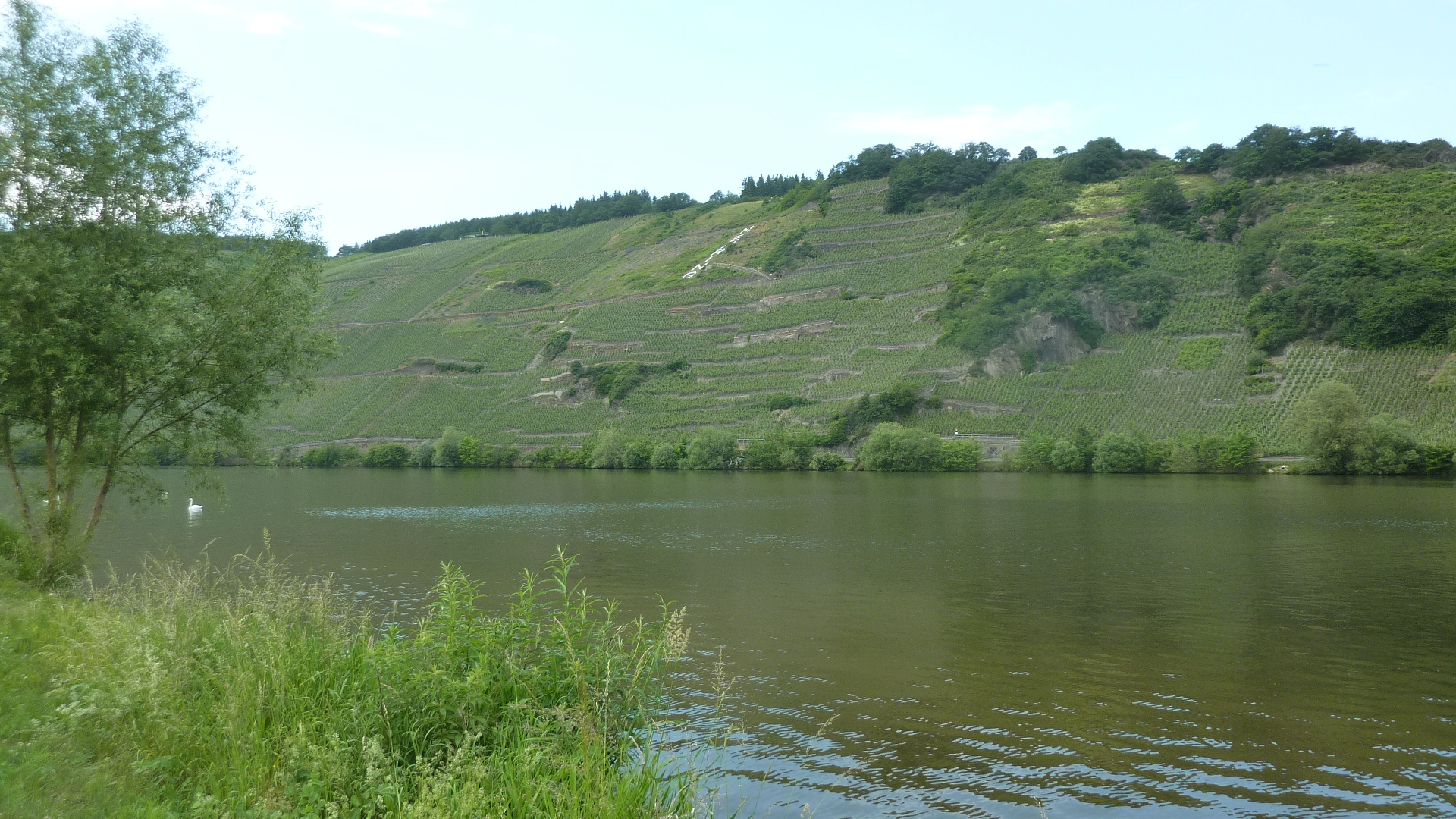
Lovely, slightly chaotic site. Settle down with your glass of Moselle looking across the river at the first of the really steep vineyards. This is the Blattenberg, the finest in Mehring.
Visit the restored 2nd-4th century Roman villa Rustica a short distance behind the campsite.


24 km – Polich left
27.5 km – Detzem weir and lock. Schleich left.
Barges go right of the island, but canoes and small craft should pass left. Keep close to the island (right of the weir). Either a long, fairly easy portage where the canoe shoot should be, or use the small lock. There’s no charge or licence for canoes. Just pull the green handle.
At 9 metres, Detzem is the highest weir on the river, and its 24 MW power station the most powerful.
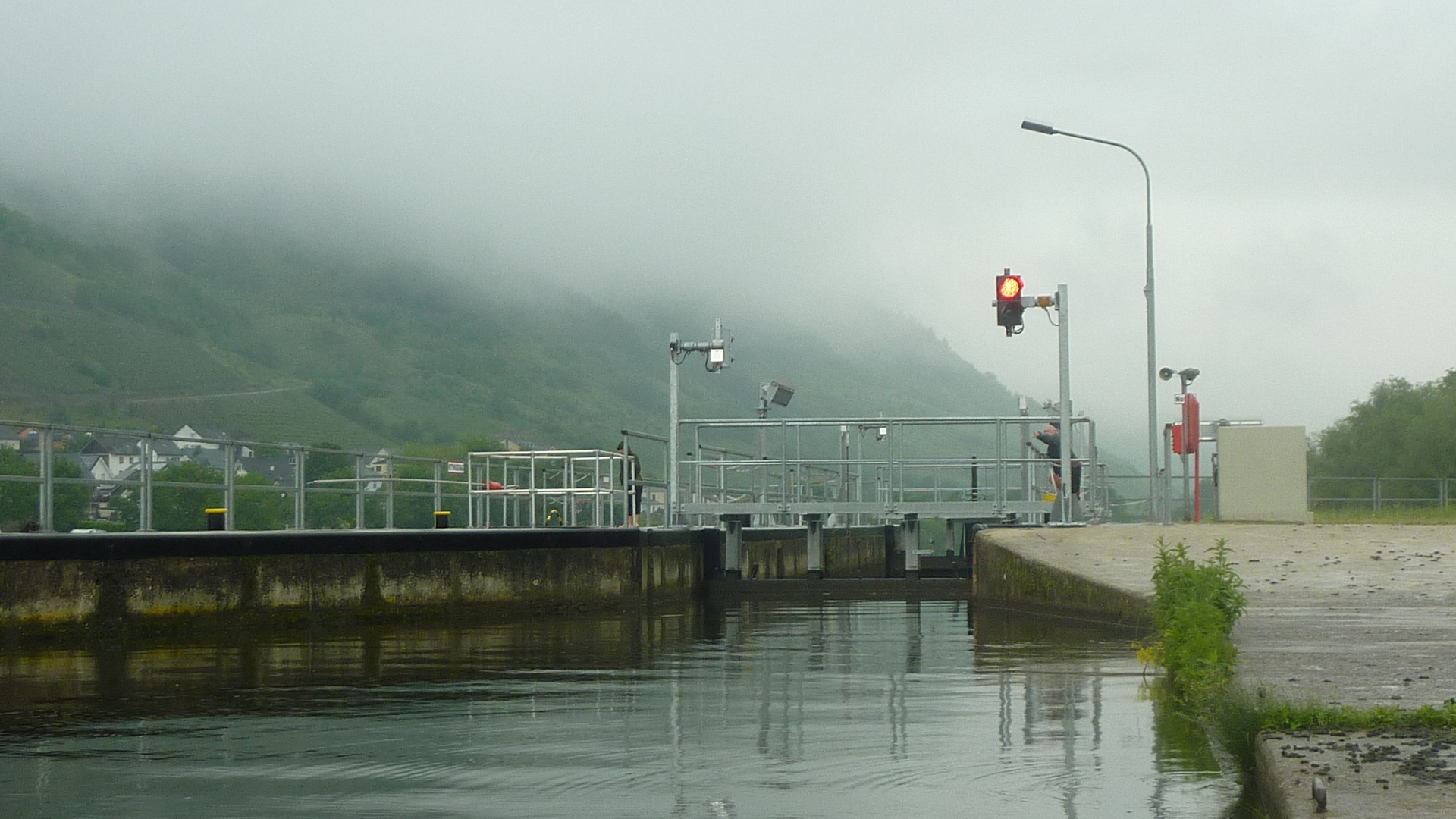


29 km – Detzem right
Ensch left
30 km – road bridge. Thornich right

“Ritsch” is the south facing vineyard left. Thornicher Ritsch is good to find on your bottle.
31 km – River Salm joins left. Klusserath left
32 km – Camping Klusserath left (click here). A big site in a big village. Klusserath inspired the proverb So lang wie Klüsserath (As long as Klüsserath).

The south facing hill behind the campsite is the best vineyard, Klusserather Bruderschaft
33 km – Kowerich right
35 km – Leiwen right
The vineyard opposite, Laurentiuslay, makes very fine wine.
37 km – Trittenheim bridge. Trittenheim left. Ferry towers just downstream. Landing and campsite left just before the bridge. Click here.


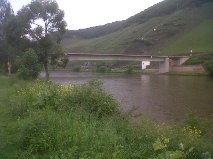

The Trittenheimer Apotheke vineyard on the hills to the right produces more affordable wine than the Bernkasteler Doctor a few miles downstream – as usual the chemist is cheaper than the doctor. Altarchen is the other top vineyard
44 km – Neumagen Dhron. Camping right. Click here.


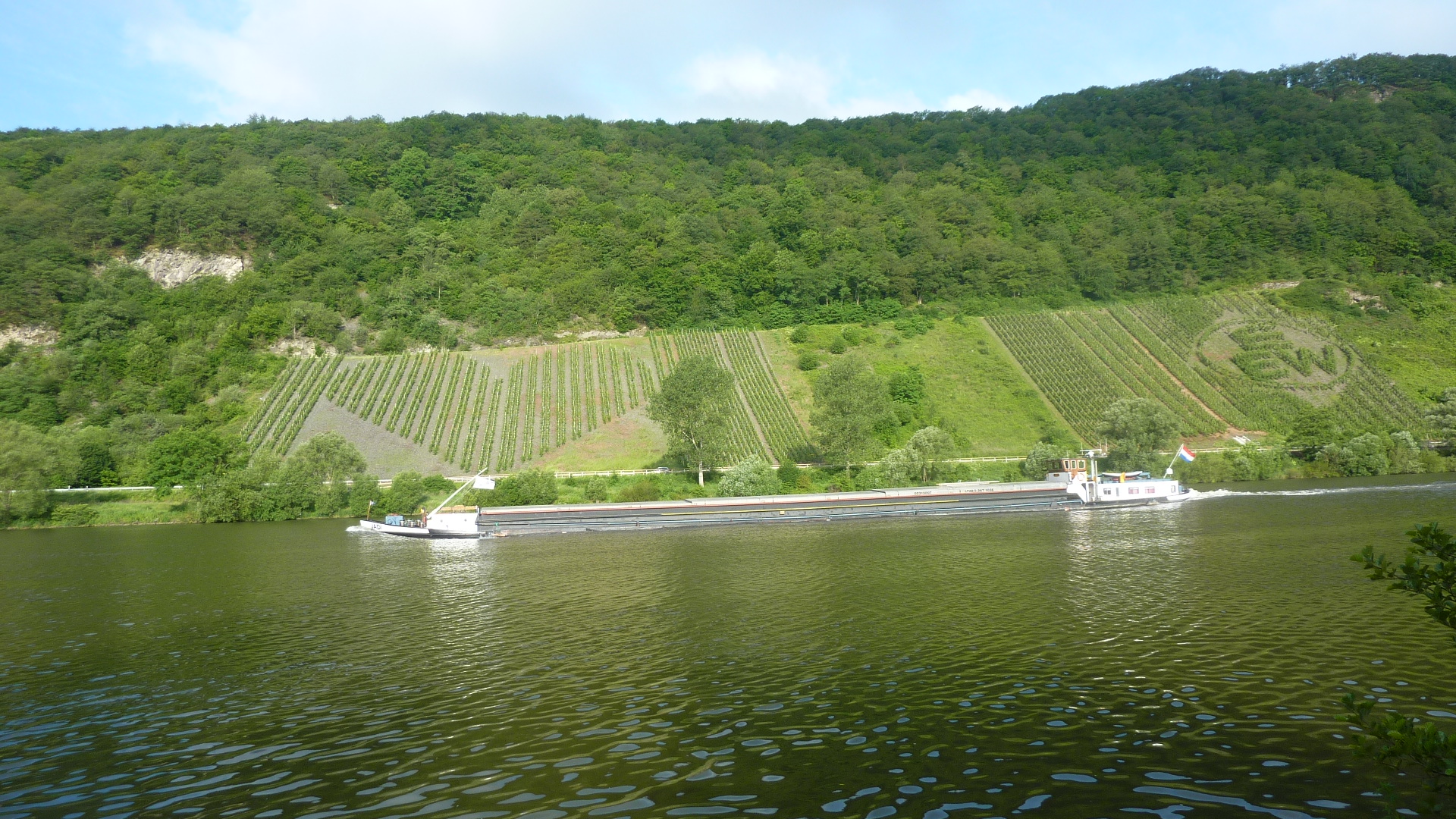
This is claimed to be the oldest winegrowing village on the Mosel on the basis of a Roman wine merchant’s tomb dating from 200AD.

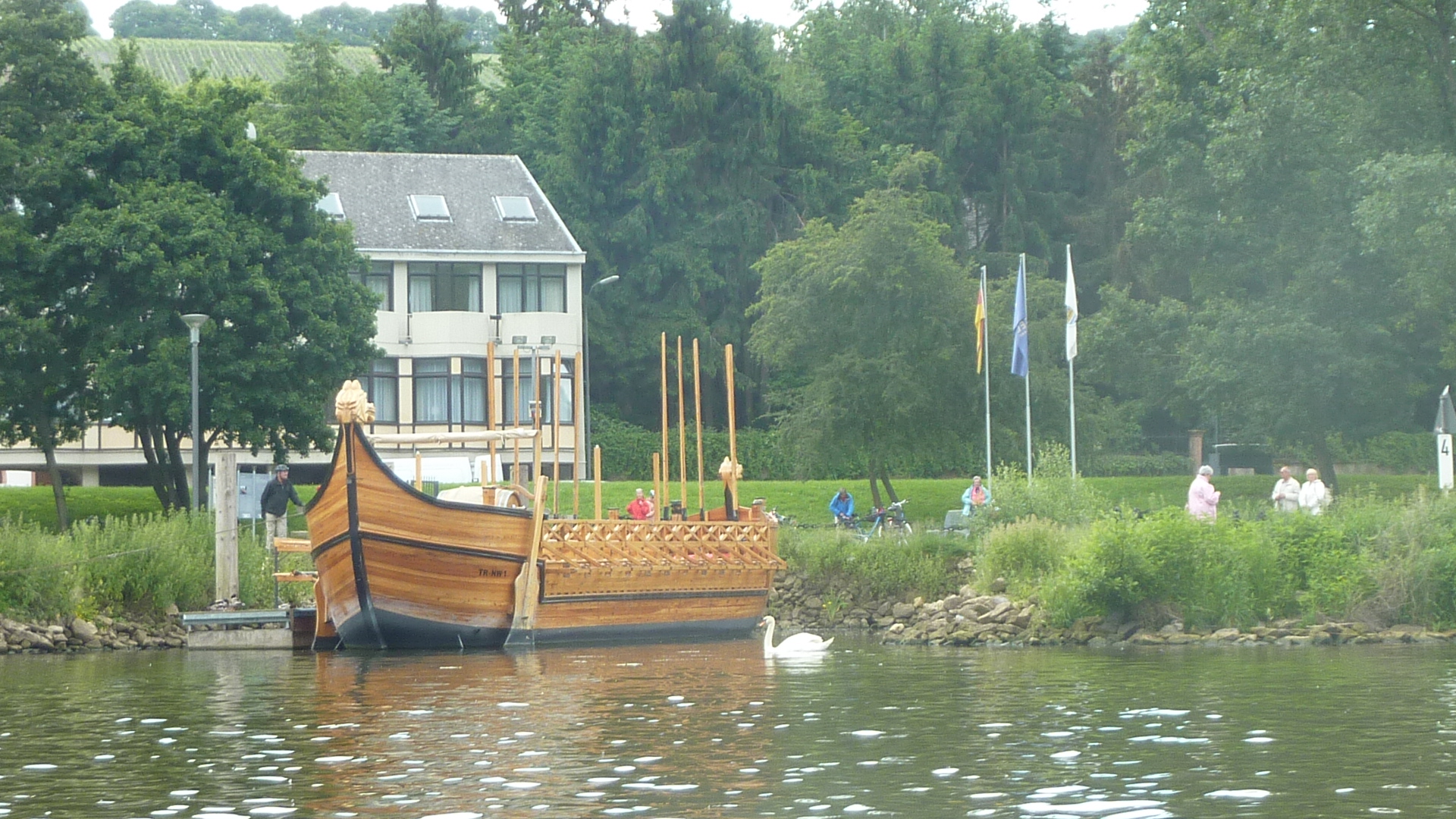
Stella Noviomagi, the Star of Neumagen, a replica Roman wine ship is available for hire but seems to be rarely used. Hardly surprising – the EU paid for it in 2007, and the local council own and run it!
45 km – Neumagen Dhron bridge. As you pass under it one of the most famous of all Mosel vineyards comes into view – Piesporter Goldtröpfchen. Not to be confused with Piesporter Michelsberg!


45.5 km – River Dhron enters right.
49.5 km – Piesport bridge. Piesport left. Look closely, they spray the vines by plane here. The famous Goldtröpfchen vineyard covers most of the south-facing left-bank slopes both up and downstream of the bridge. The other top ranked vineyard, Domherr covers a smaller area on same bank upstream of the bridge
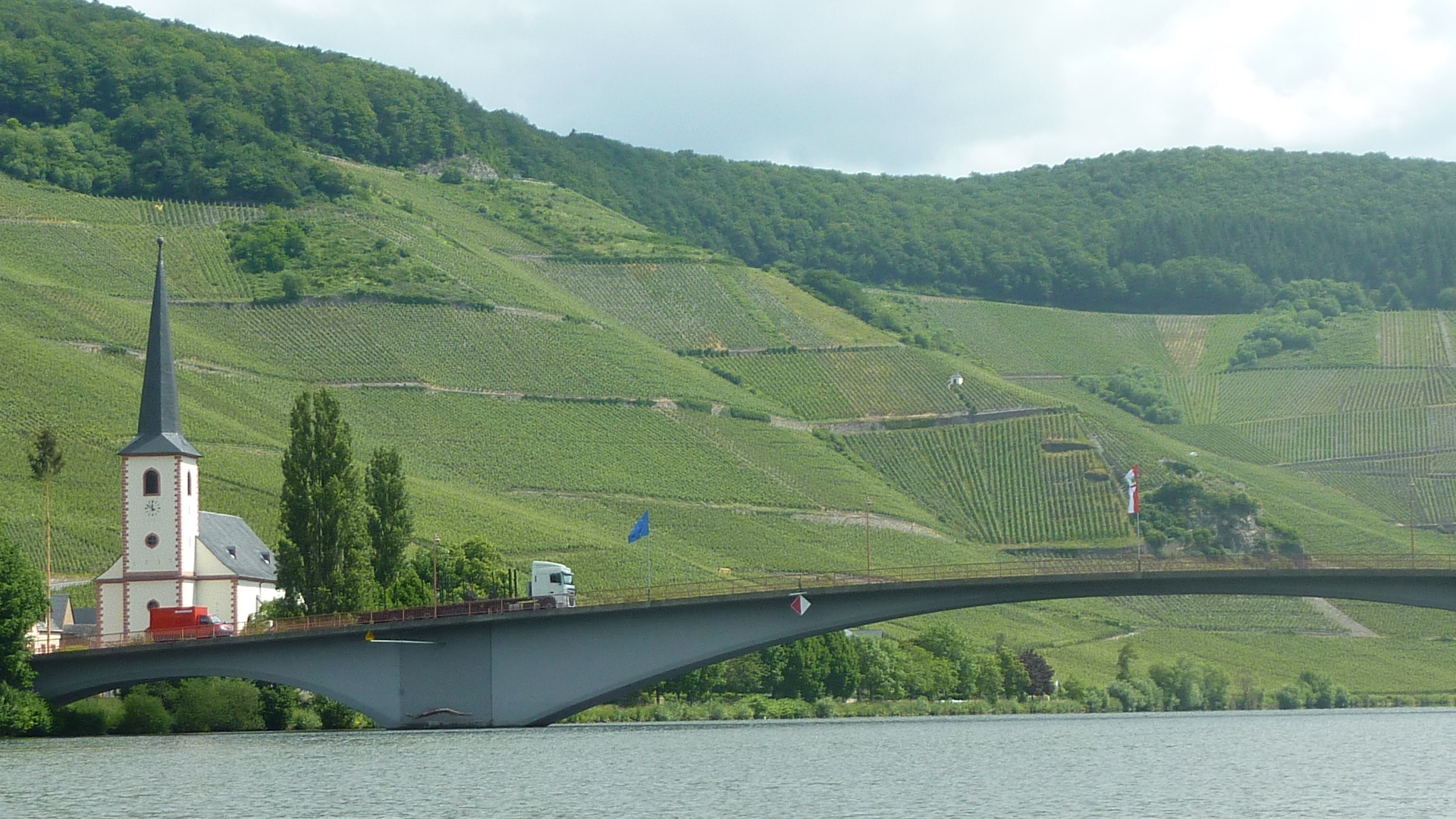


50 km – bridge. Niederemmel right. Some very steep and inaccessible vineyards left
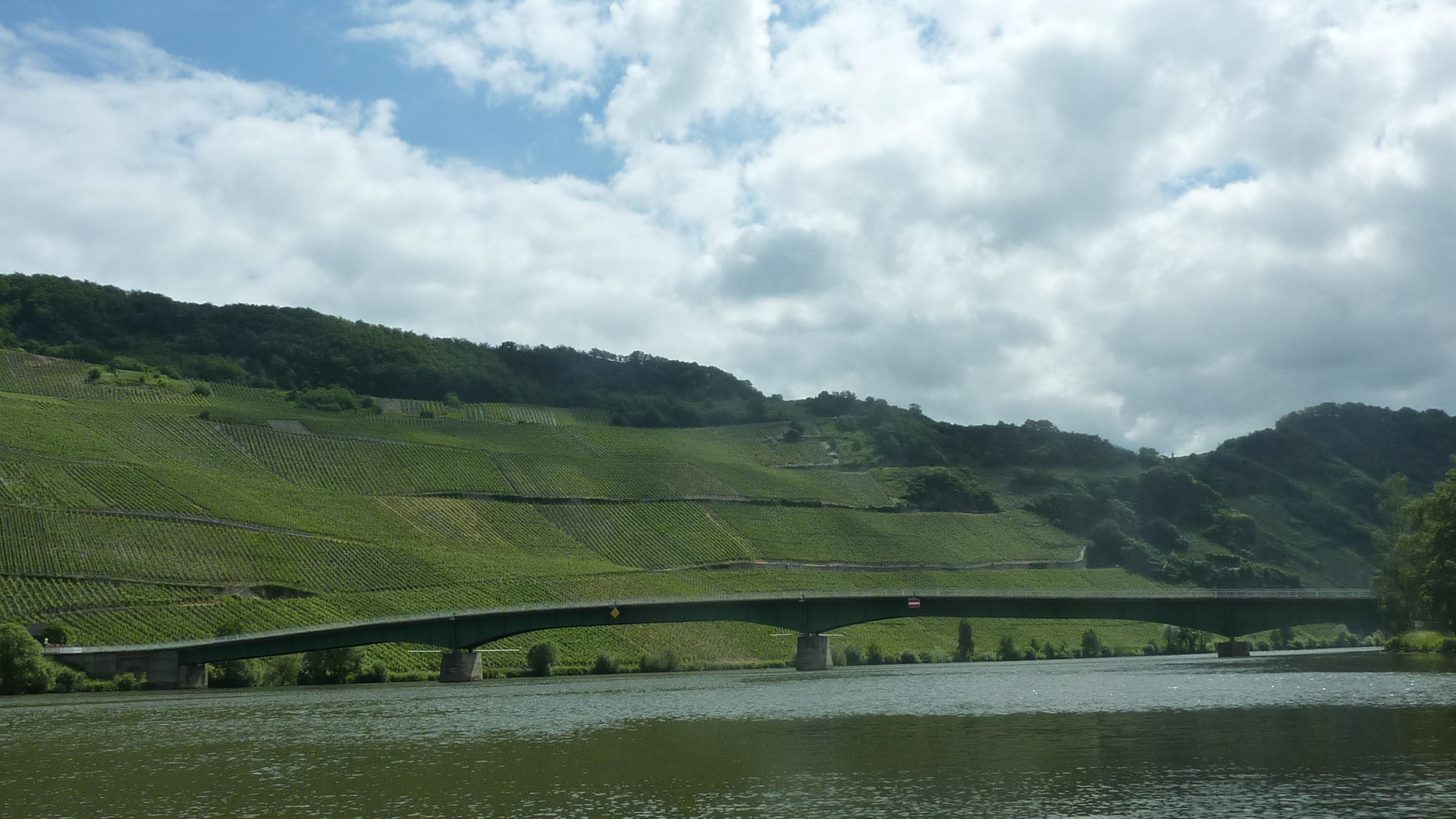

53 km – bridge. Minheim left

55 km – River Rondelbach joins right.
The cross on the hills right marks the Ohligsberg vineyard, the best in Wintrich. The locals put on a Passion Play every five years.
57 km – Wintrich dam and lock

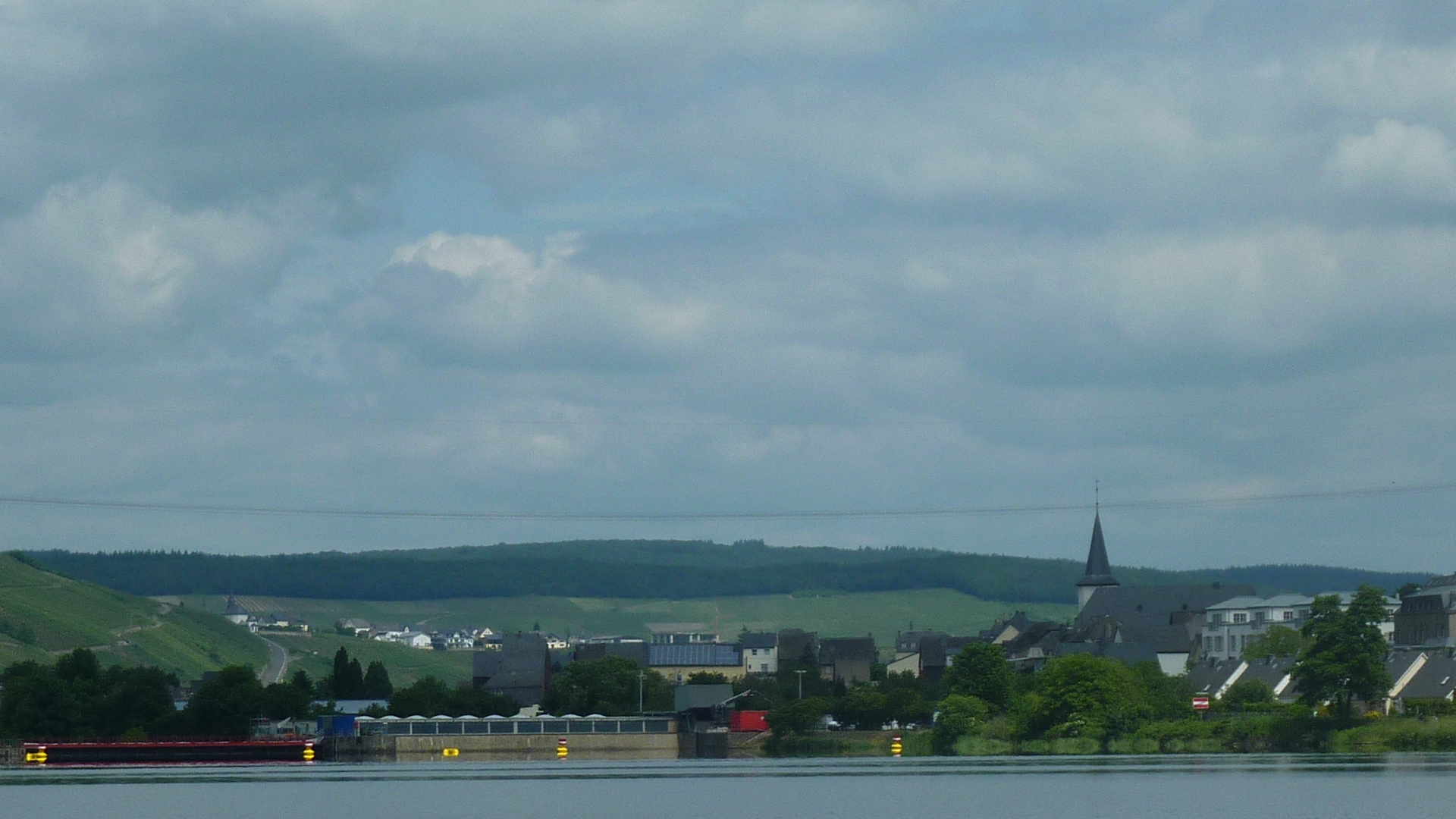
Main lock on the left bank with the small boat lock adjacent, then the dam and the power station on the right bank. The canoe shoot between the large and small lock has been disabled. 7.5 metre drop. Power station 20MW capacity.
60 km – Kesten Left. Camping Kesten is just an RV park. Paulinshofberg vineyard left.
61 km – Brauneberg right. Set a little back from the river but with easy landing at the ferry site. Picnic spots and paths up. Another famous wine village. The long south facing hill left is the Juffer, and the lower central area opposite the village, the Juffer Sonnenhur, is said to be the very best.


62.75 km – Frohnbach stream joins right
63 km – Mulheim bridge L158. Mulheim right. The Veldenzer Bach stream enters right just before the bridge, and the larger Lieser river left, 50 metres downstream.
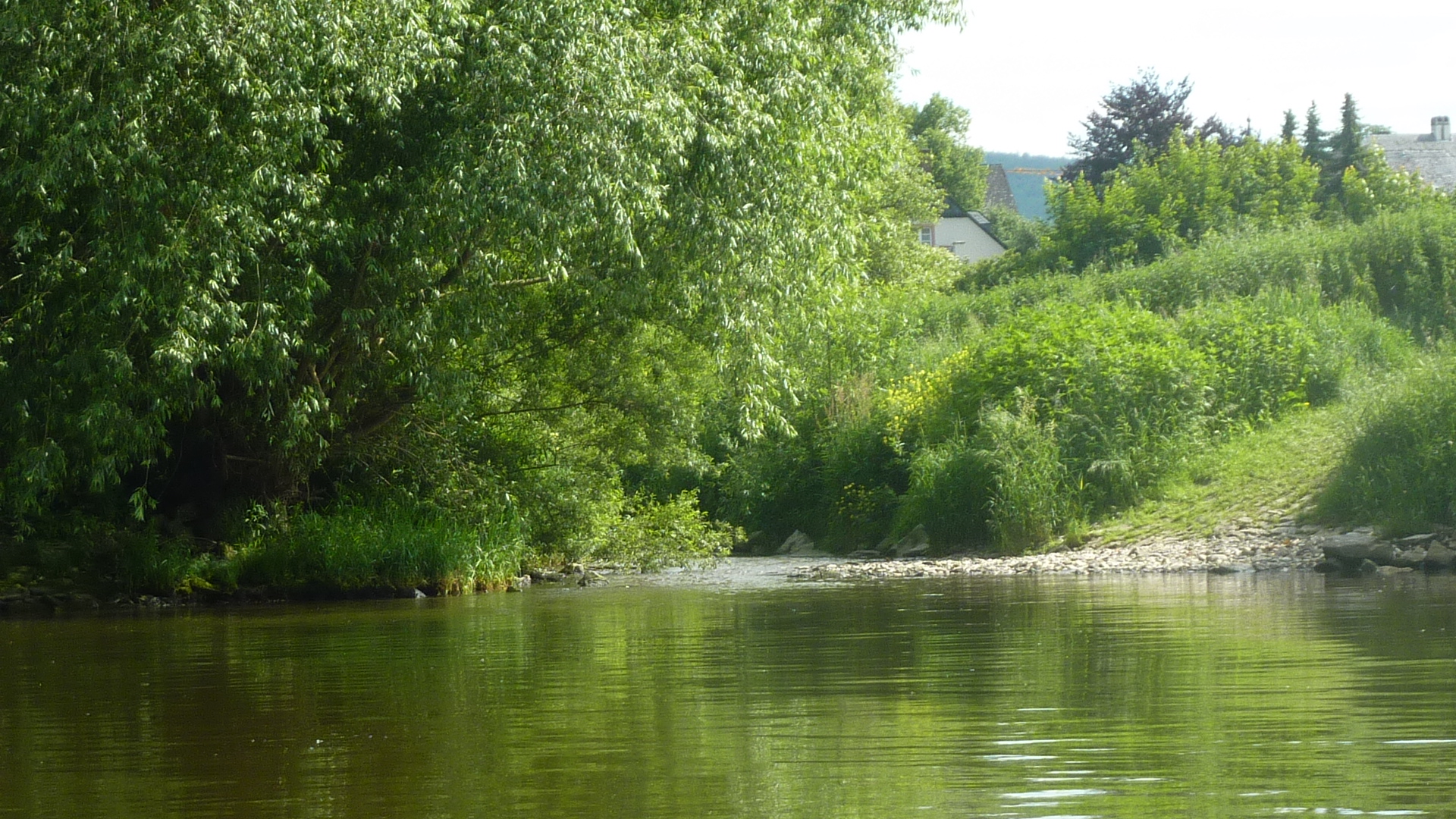


63.5 km – Lieser left. A beautiful village, but its wines are relatively unknown compared with Braunberg and Bernkastel either side. Best vineyard Neiderberg Helden.
67 km – Camping Kueser-werth left. (click here). Followed by marina. Both ideal for the fleshpots of Bernkastel Kues


68 km – Bernkastel-Kues bridge. High on the right the castle and the Bernkasteler Doctor vineyard. Tiefenbach stream enters right just after the bridge.
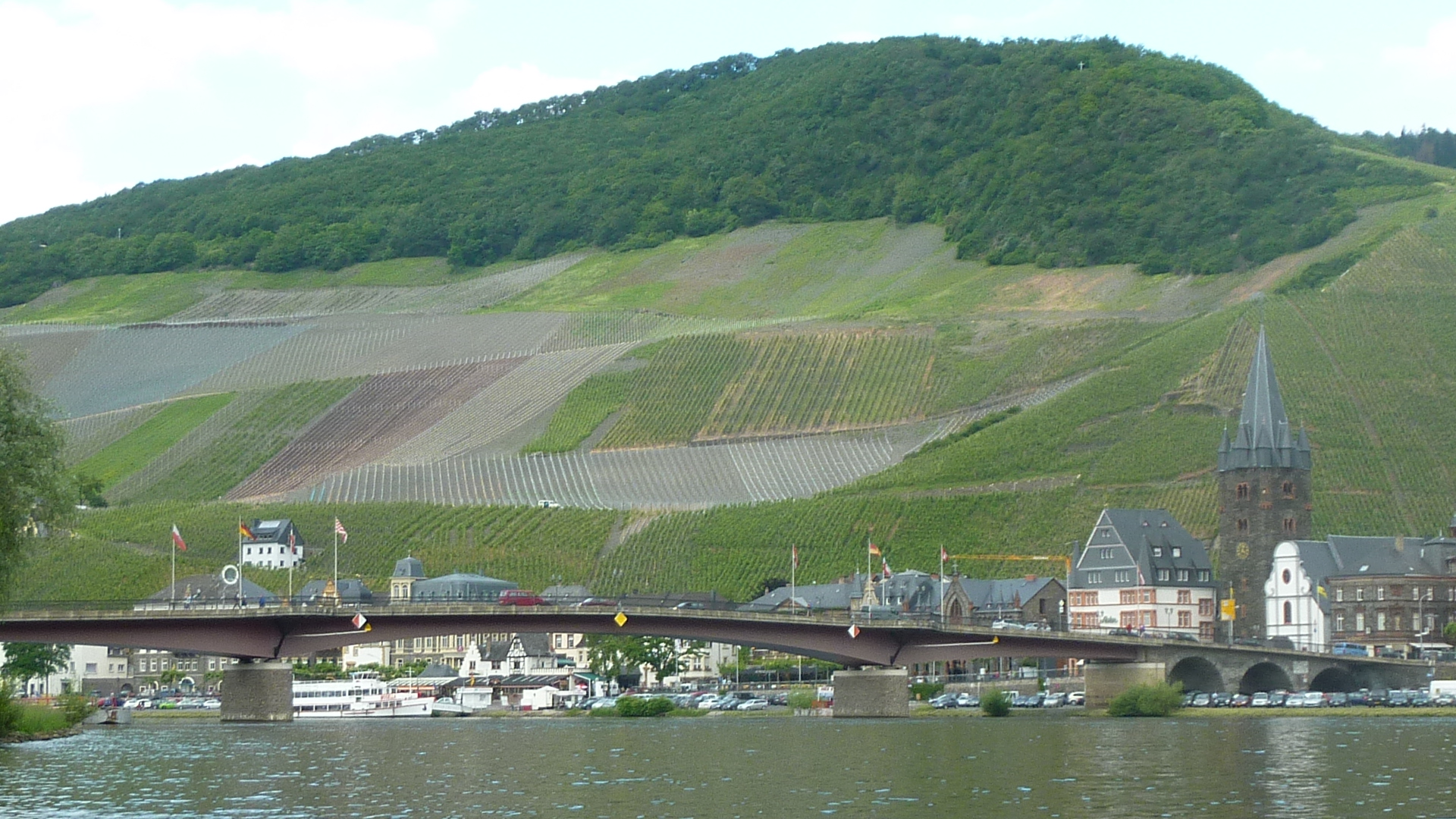


Paddle under the bridge and one of the great wine growing regions in the world comes into view. The five mile long ridge, from Bernkasteler Doctor at the south to Zeltinger Sonnenuhr (Sundial) at the north. The 1868 vineyard classification map coloured the best vineyards dark – neither the slate, soil, nor orientation have changed.
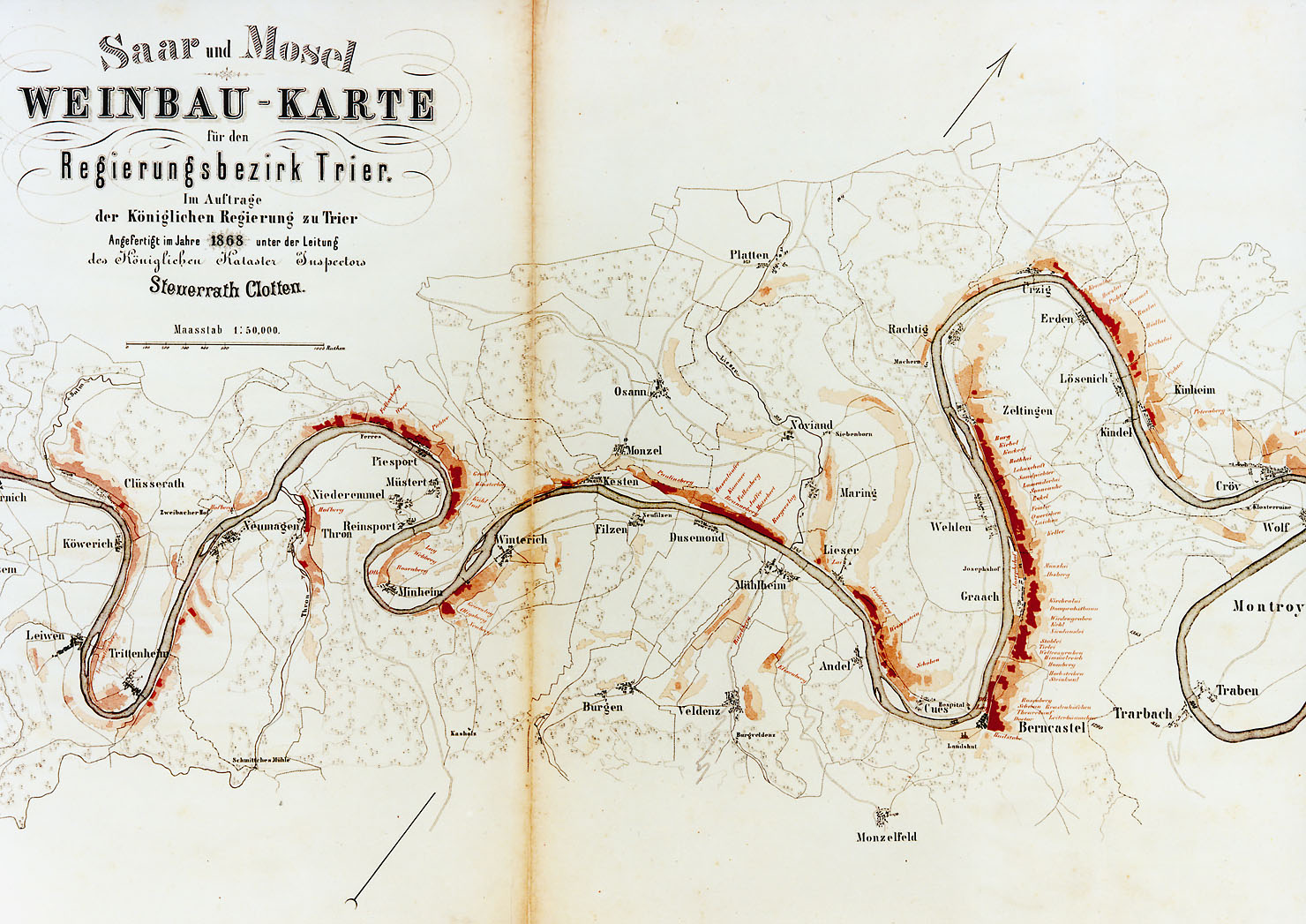
Graach, Wehlen, Zeltingen and Urzig are world famous. Here is Hugh Johnson from his World Atlas of Wine:
“The Mosel’s greatest vineyard starts abruptly, rising almost sheer above the gables of Bernkastel; dark slate frowning at slate. The butt of the hill, its one straight south elevation, is the Bernkasteler Doktor – perhaps the most famous vineyard in Germany. […] The trademark of Bernkastel is a touch of flint. Graachers are softer; Wehleners richer. […] Zeltingen brings the Great Wall to an end. It is the Mosel’s biggest wine commune, and certainly among the best. At Urzig across the river, reddish clay mixed with slate, in rocky pockets instead of a smooth bank, gives the wines of the Wurzgarten (‘spice garden’) a different flavour, more penetrating and ‘racy’ than Zeltingers.”
69.5 km – Graach an der Mosel right. Camping Schenk left click here. The finest Graach vineyards are Domprobst, Himmelreich and Josephshof.

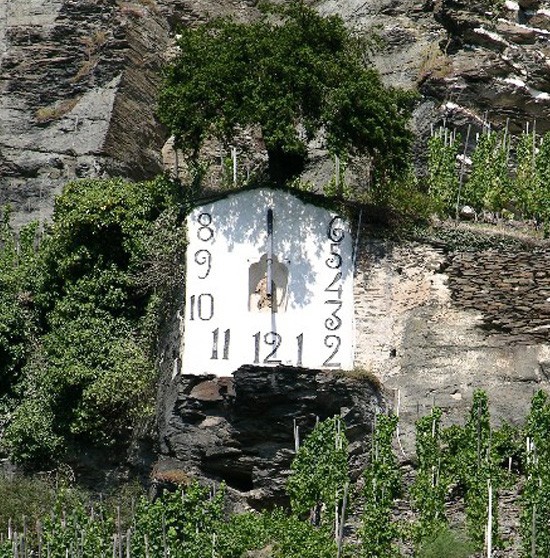
71 km – Wehlen suspension bridge. Wehlen left. Finest vineyard Sonnenuhr (sundial) right. The locals are so proud of it that they’ve put up over 50 other sundials in the village.
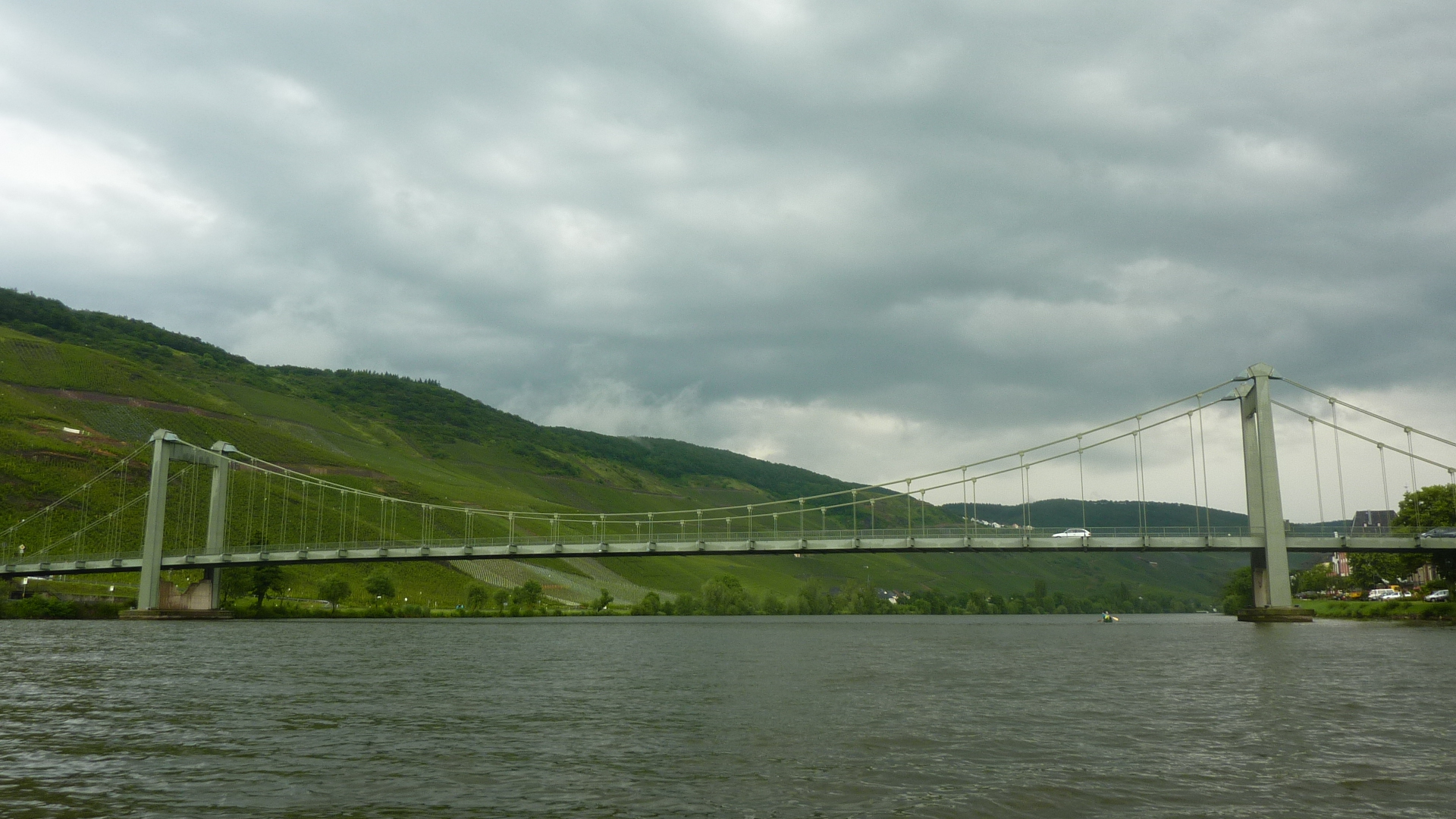
73 km – Zelting locks and dam.
Two main locks to the left of the island. Small boat lock to the right, then the dam and the power station on the right bank. Pass to the right of the island to reach the canoe shoot just to the left of the small boat lock. Only a 6 metre drop. 13.6 MW capacity.
74 km – Road bridge. Zeltingen Rachtig right.
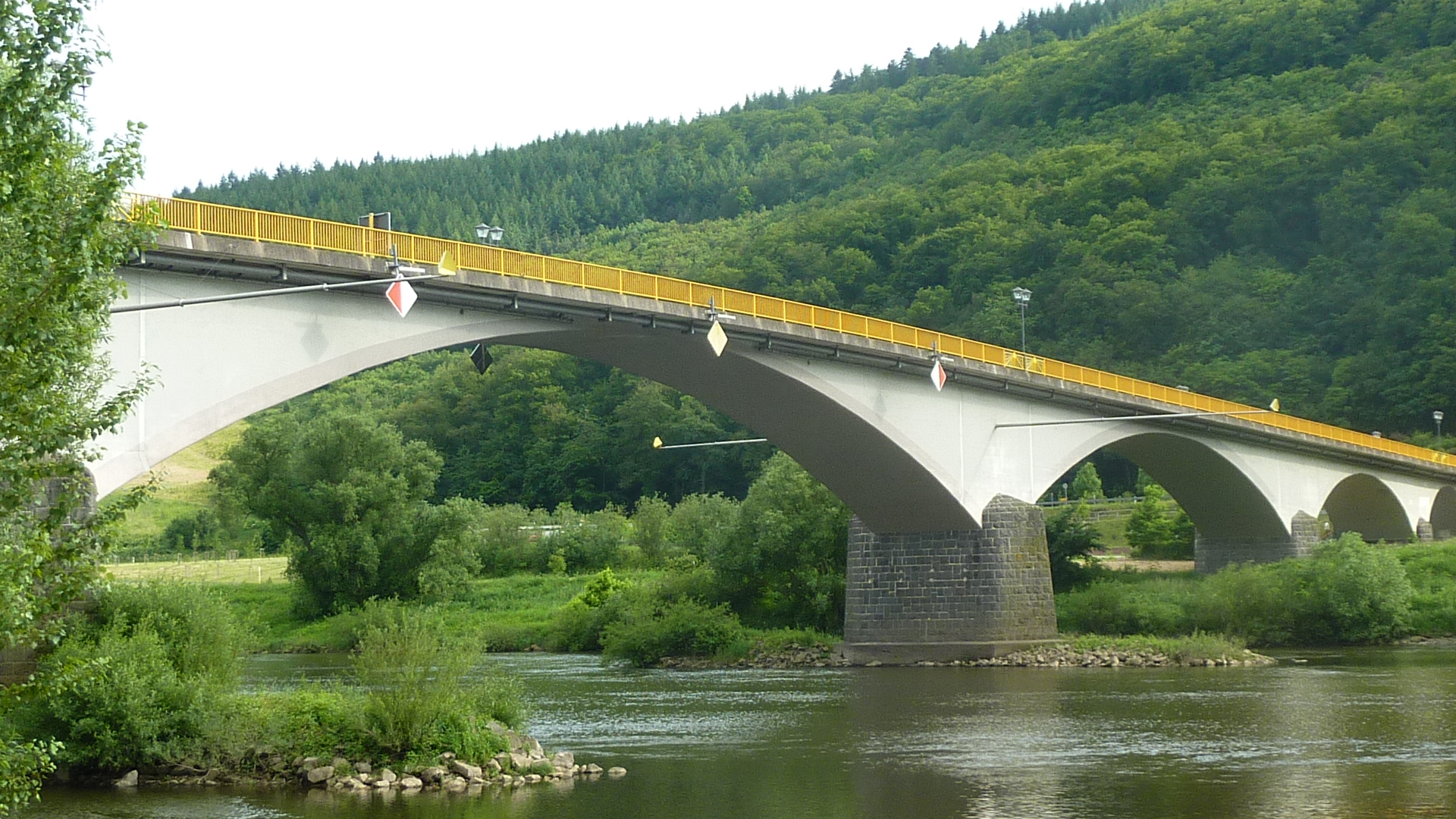

Camping Zeltingen-Rachtig. Adequate. Not a luxurious site. Land right immediately after the bridge on the rowing club landing stage.

Beside the sundial, which it shares with Wehlen, the best vineyards are Himmelreich, Schloßberg and Deutschherrenberg, all on the right bank.
There is a proposal to build a huge bridge just downstream of Zeltingen to carry the B50 motorway over the river. Many people are campaigning against it (read more here). I’m relaxed about the direct environmental impact – people soon got used to similar bridges near Koblenz. But who needs the road? Why is the government funding it and why is it not going to be tolled?
78 km – Urzig left


Some frighteningly steep vineyards. They risk their lives to make the really good stuff. The reddish slate here is said to give the wine a spicy flavour. The best vineyard is Wurtzgarten (spice garden).
78.5 km Erden right. Camping. Click here.
The best vineyards, on the left bank opposite the village, Pralat and Treppchen are tiny, among the steepest on the whole river and also lie on the same red slate as Urzig.
79.5 km L186 bridge

80 km – Losnich right
81 km – Road bridge. Kinheim left. Kindel right

84 km – Krov left. Large tourist resort. Not very scenic village. Picnic by the main road not great.
85.5 km – Camping right on the inside of the bend. Click here. Big site.
86 km – K102 bridge. Wolf right
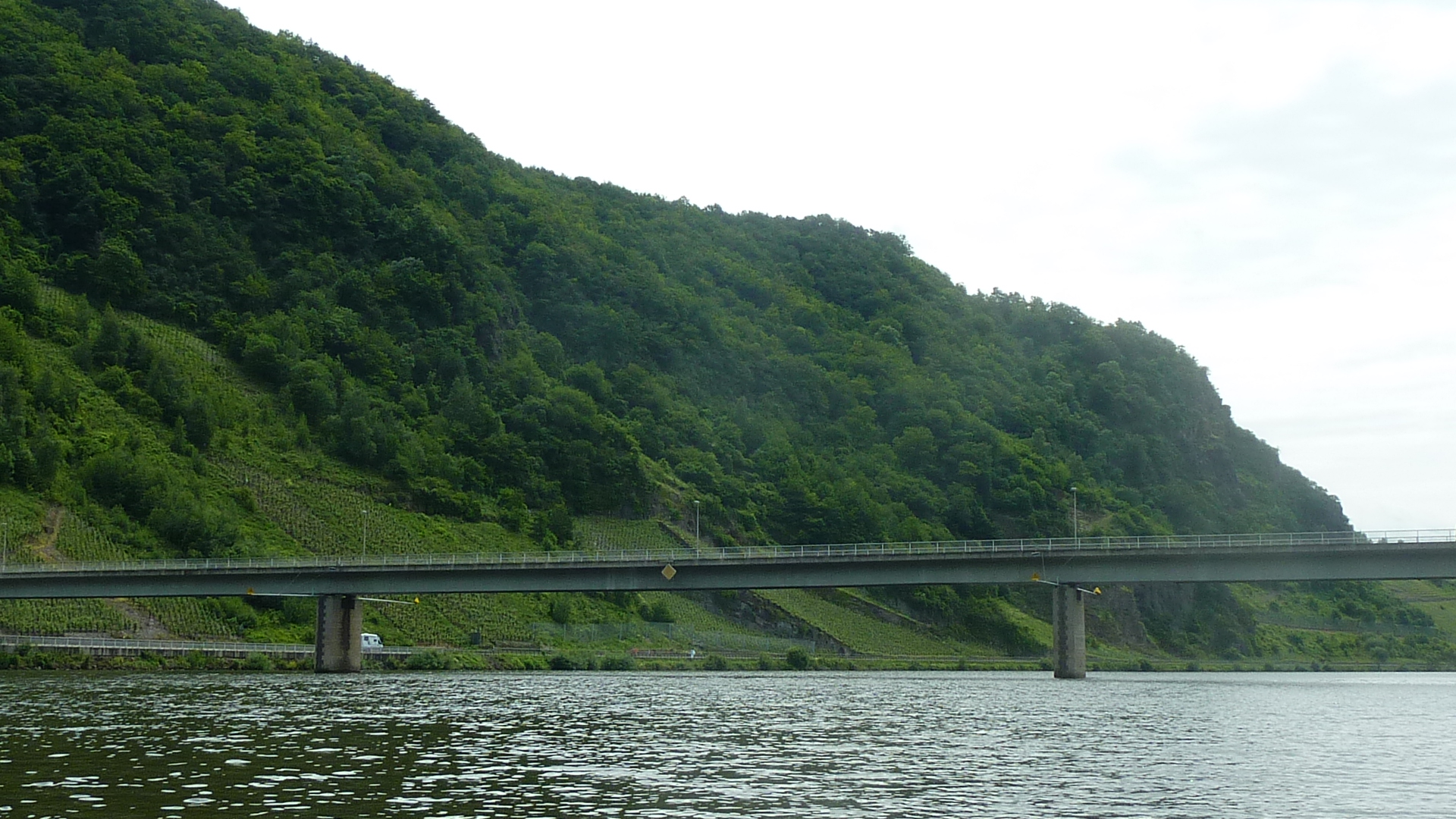
88 km – Camping Rissbach left (click here). The last campsite before Traben Trabach.

The fine Wurzgarten vineyard is just here on the same bank as the campsite.
98.75 km – Kautenbach stream enters right
Ungsberg, the other great vineyard in Traben Trarbach is up this side valley.
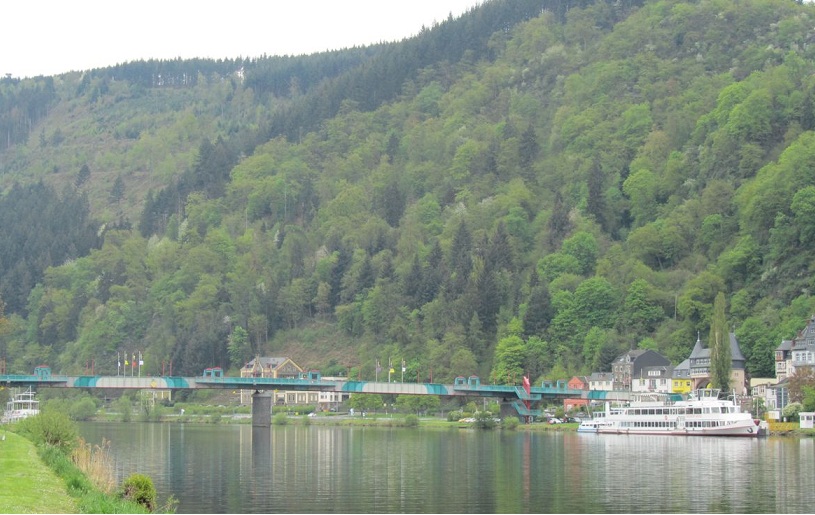
90 km – Traben Trabach bridge. Unusual in that it looks better from the road than the river.

Coming soon – Traben Trarbach to Koblenz
Jim Thornton June 2012
Mosel barges and cruisers
The river is heavily used by industrial barges and tourist cruisers. Here’s a few.
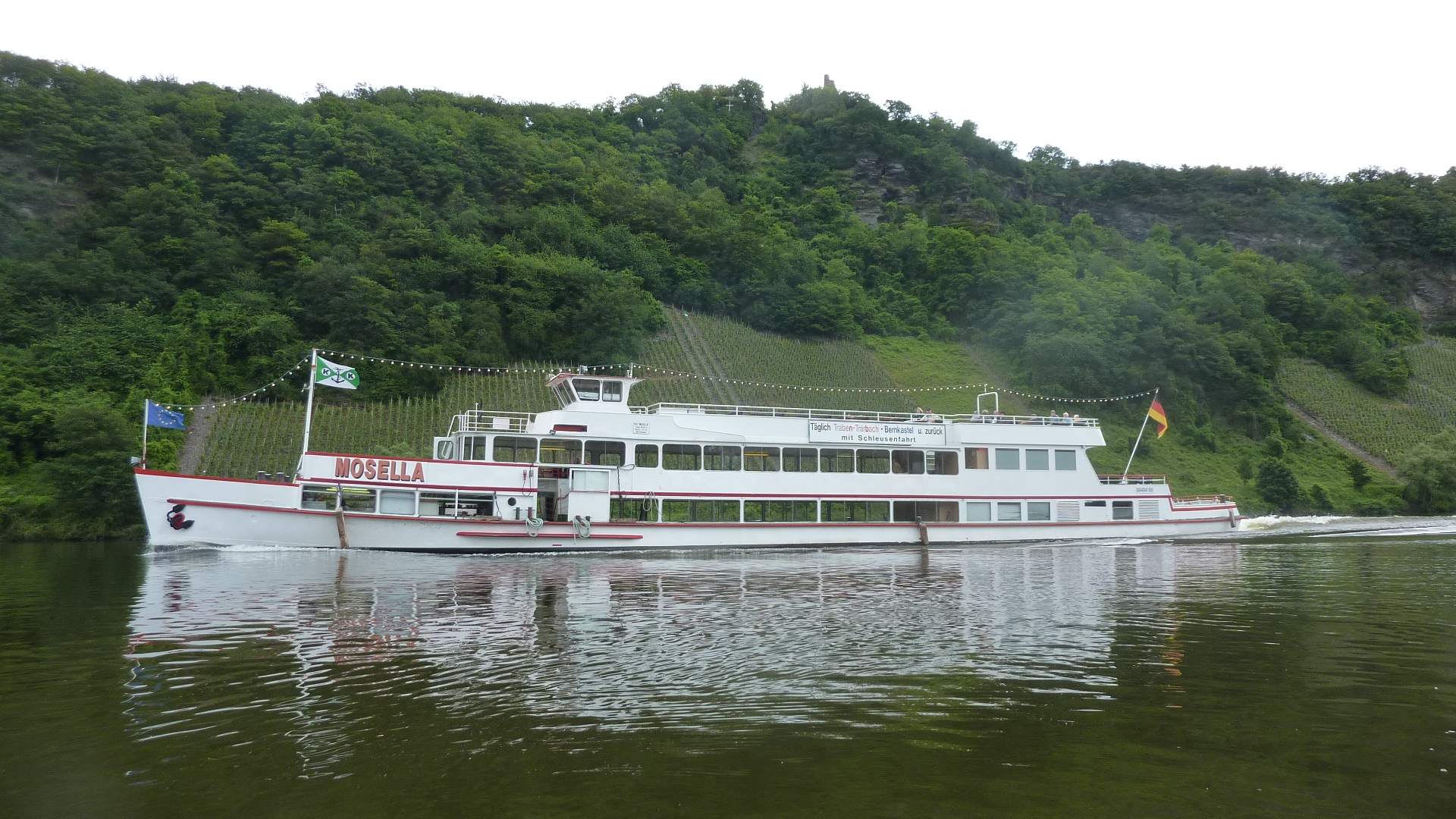
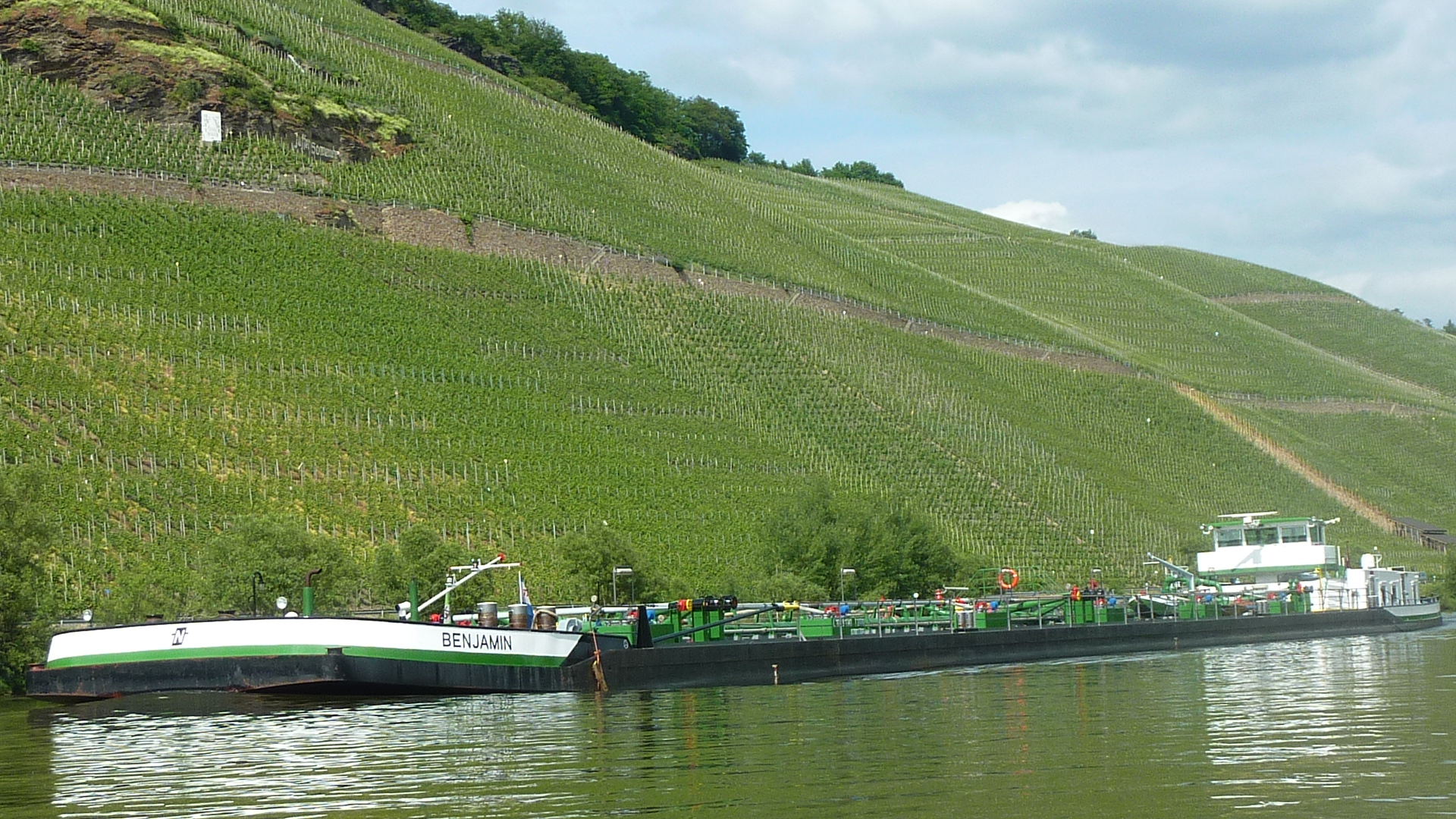
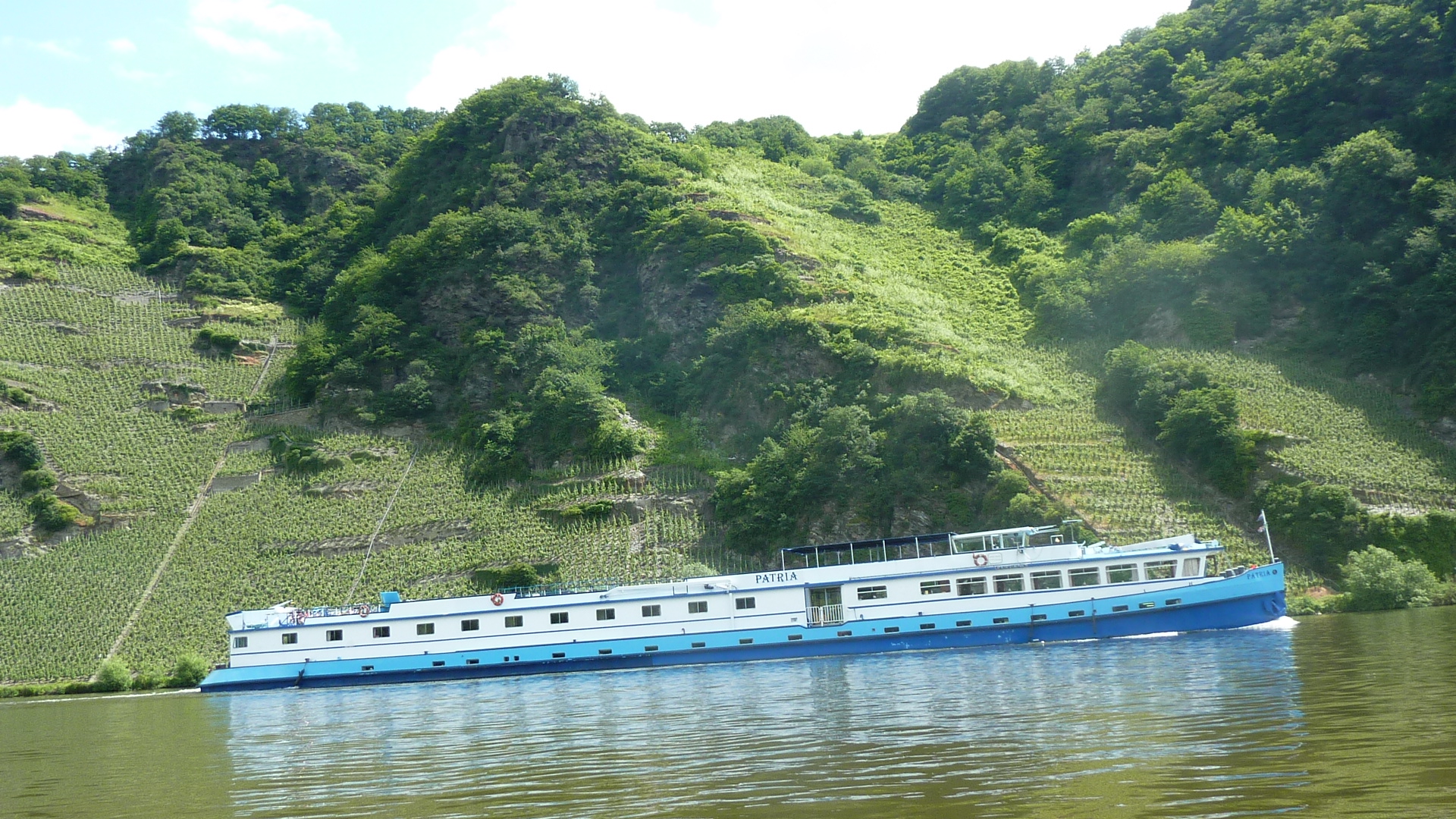

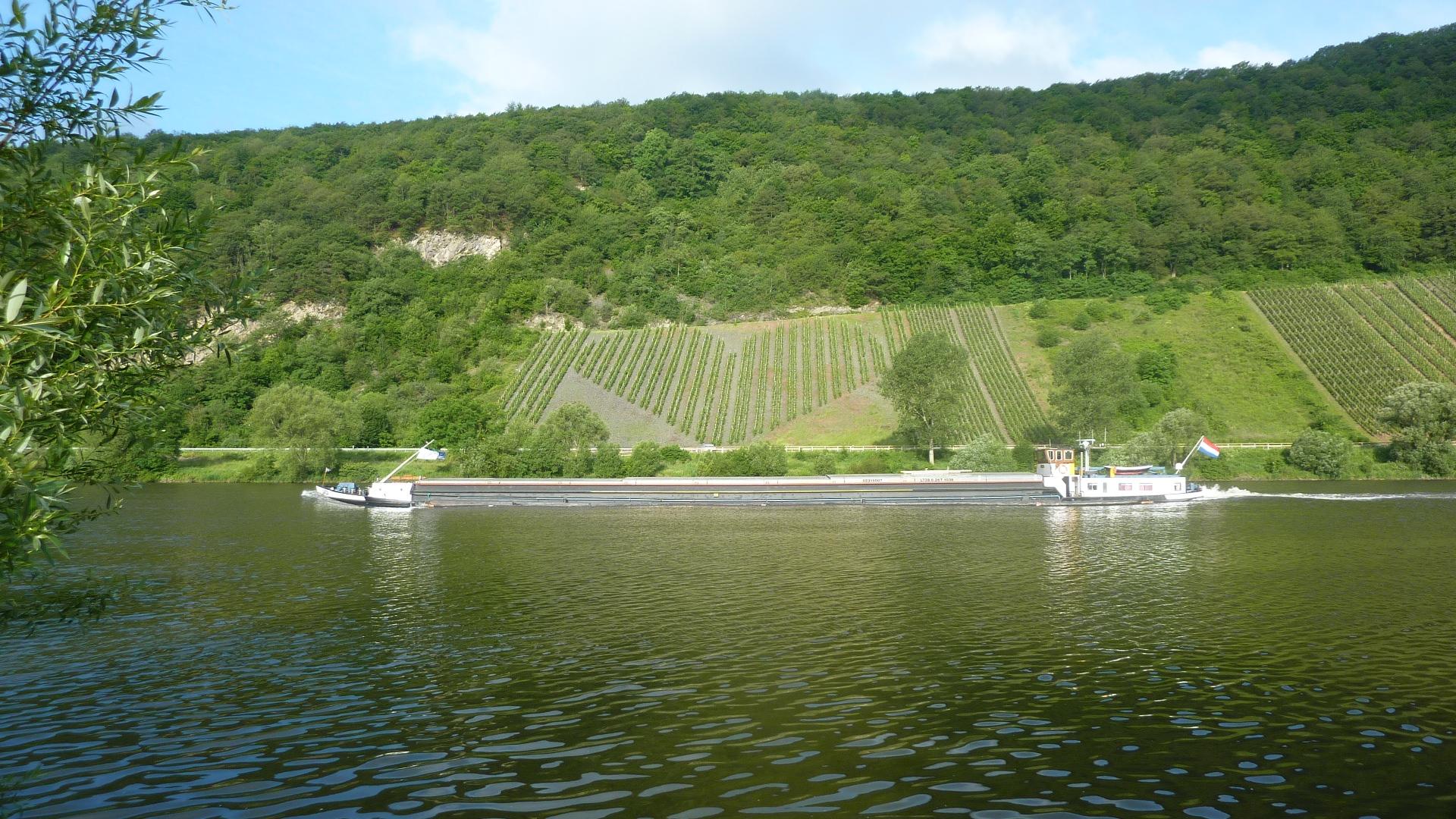


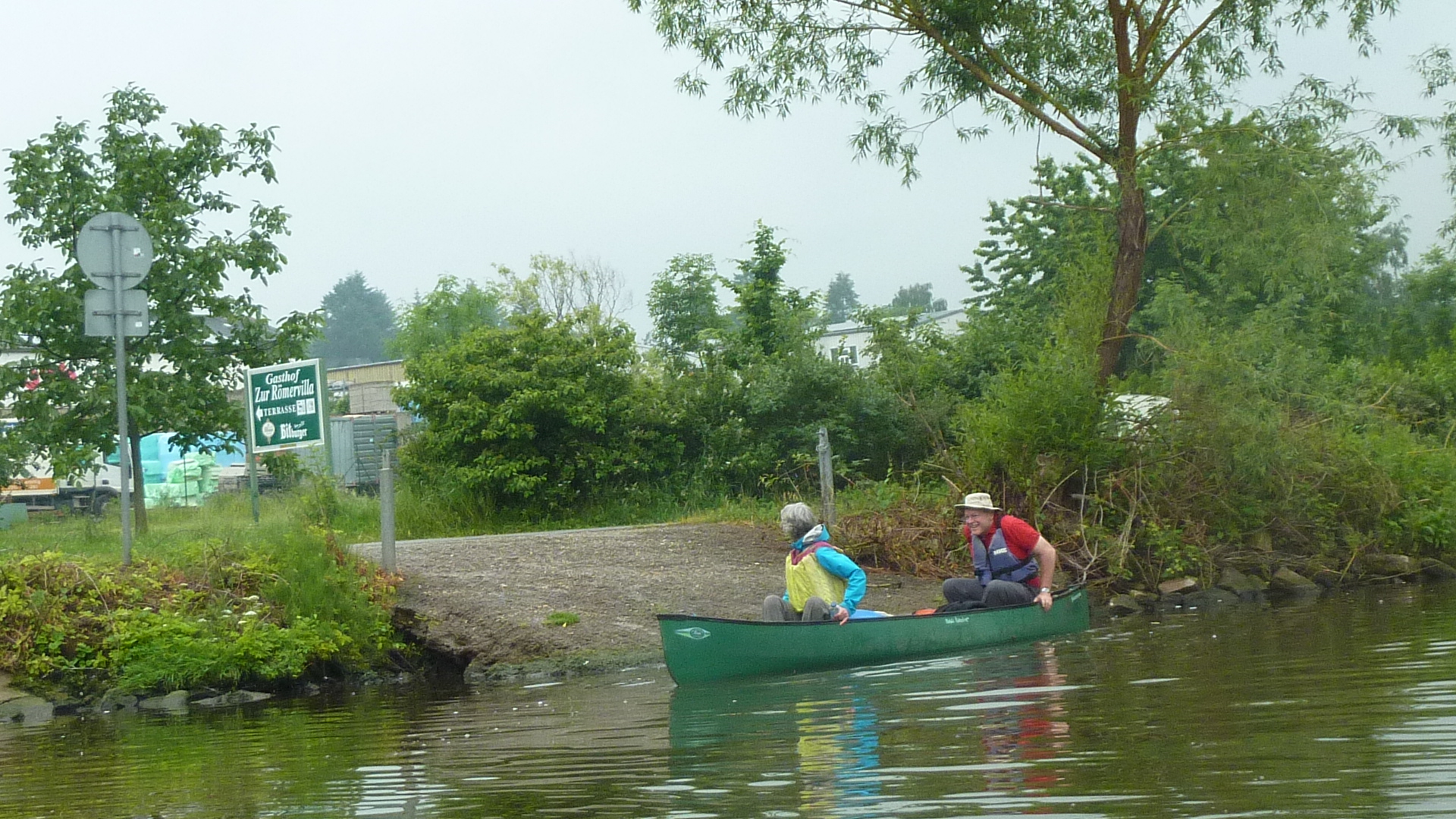
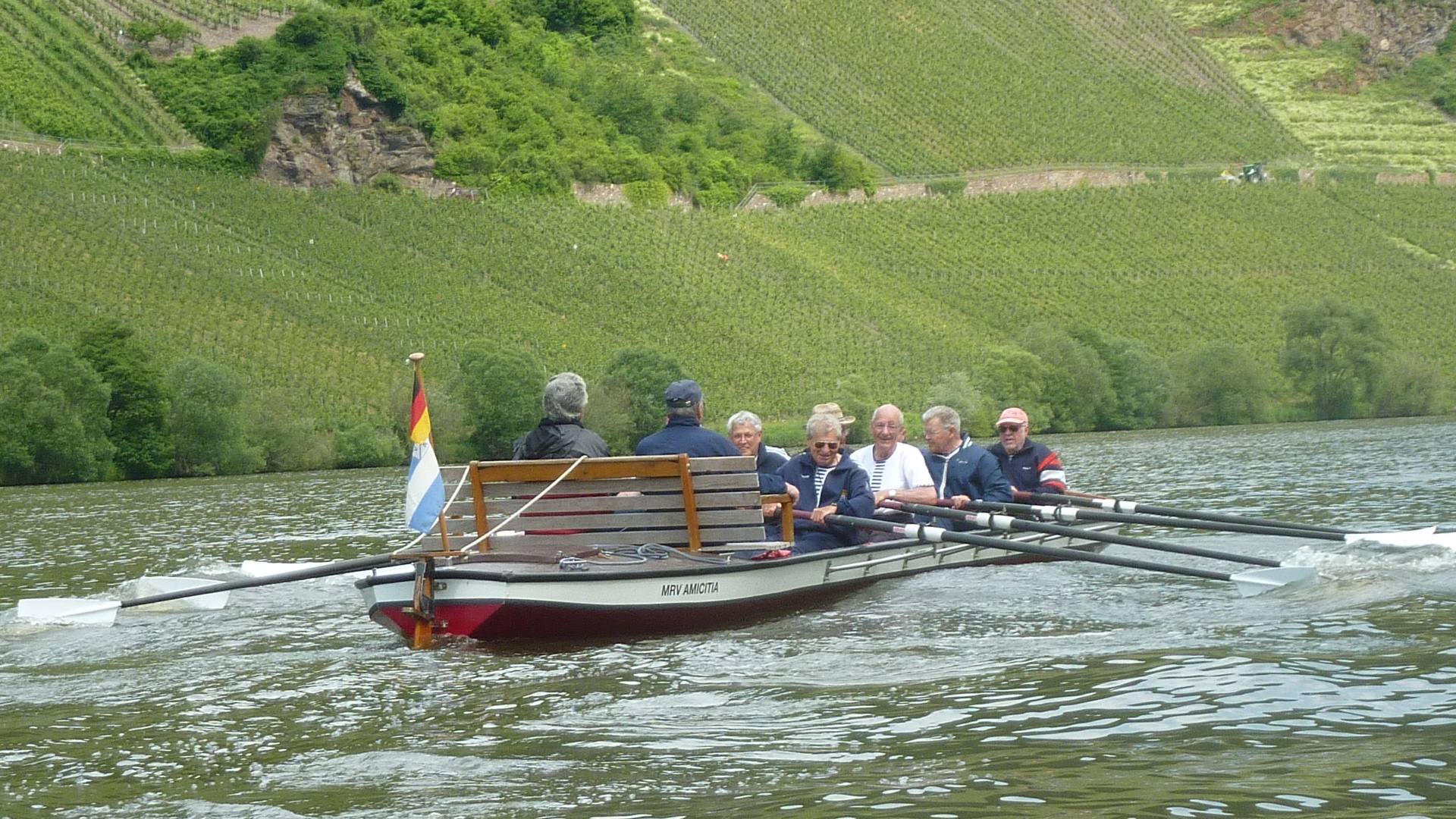
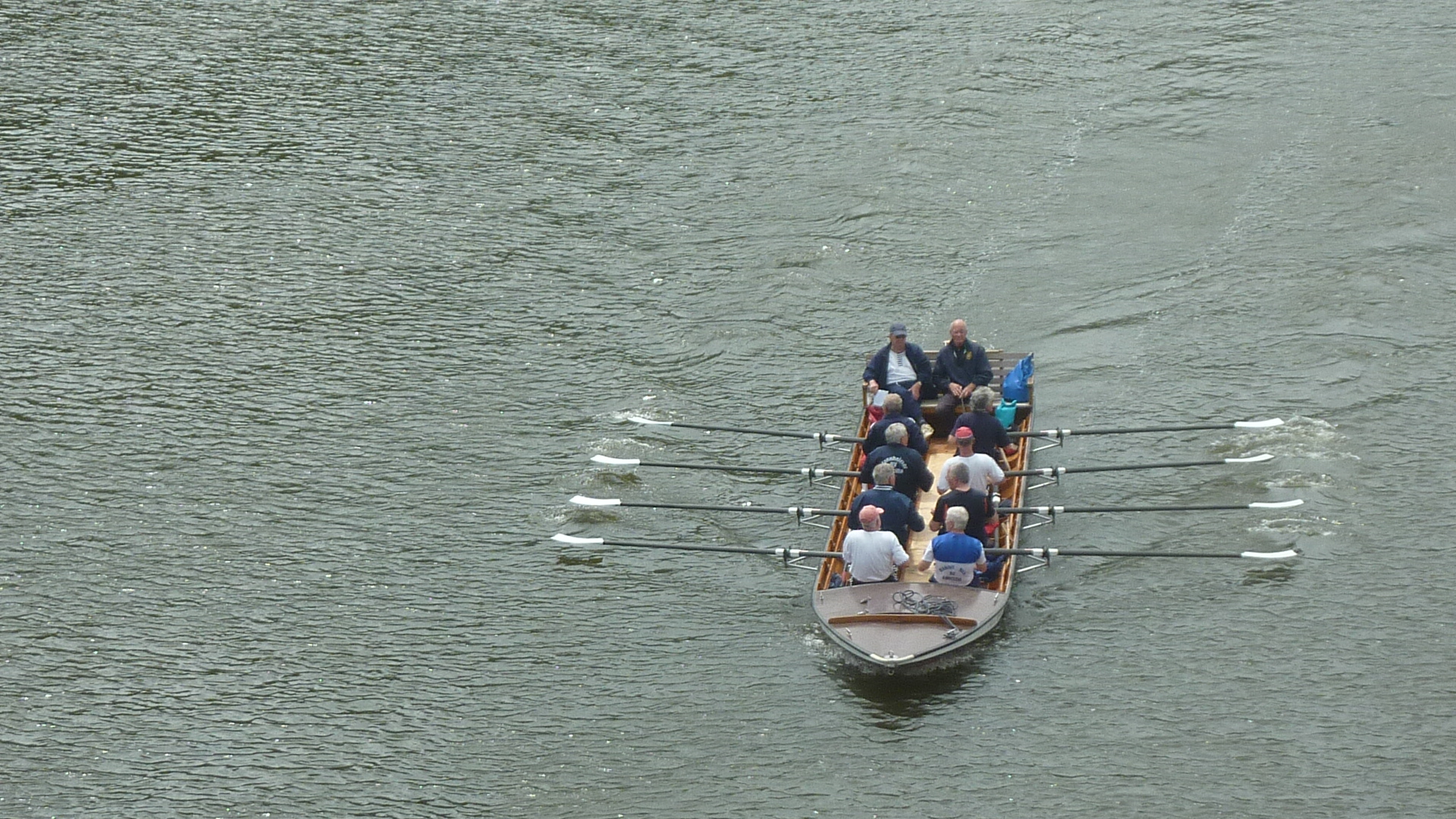
We met no other canoeists during our week longs trip (click here), but we did get overtaken by these old guys at Neumagen, and later watched them paddle through Bernkastel Kues.
Jim Thornton. June 2012
Randomised trials – the best bit
35-39 Trial Launch

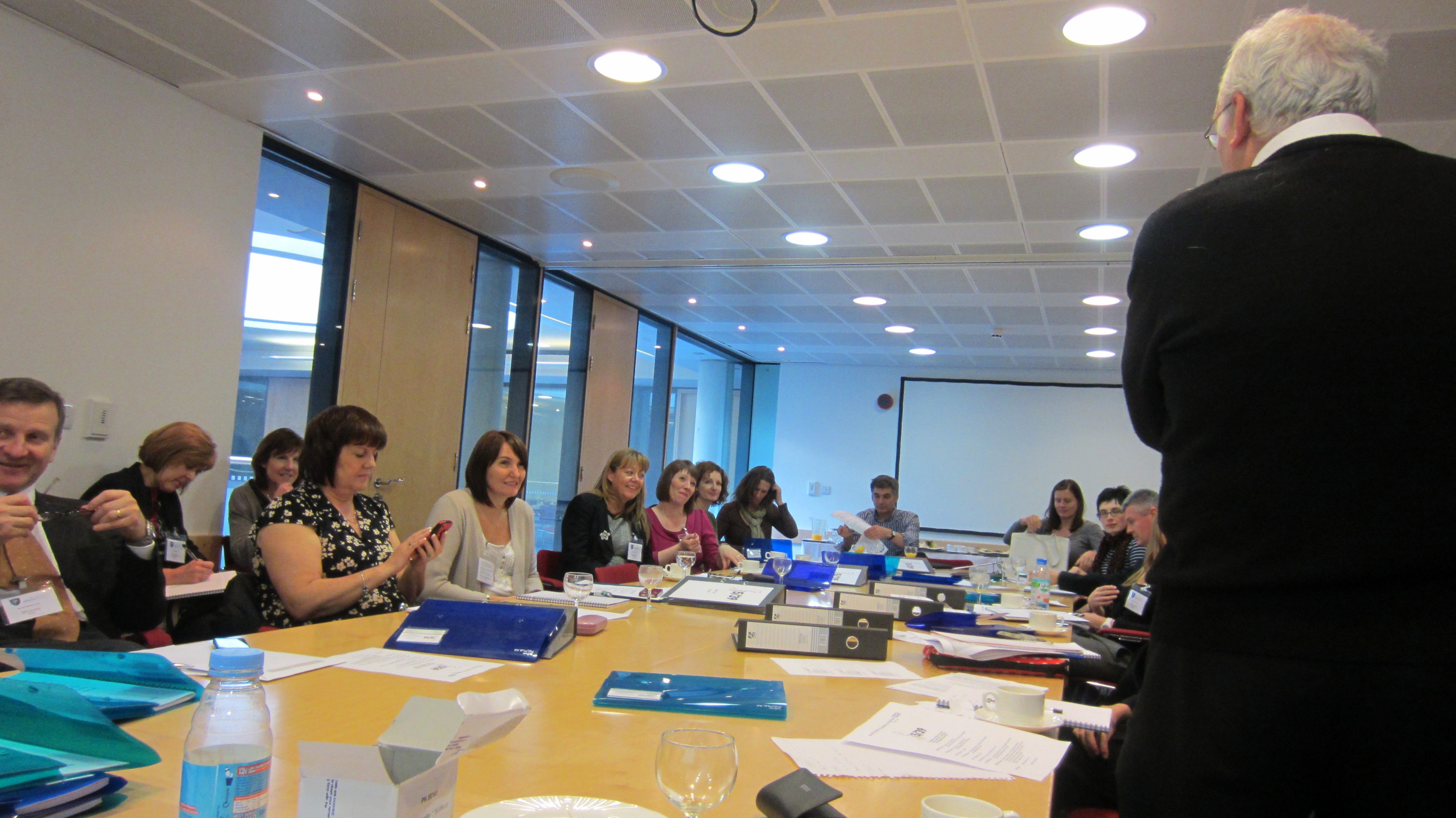
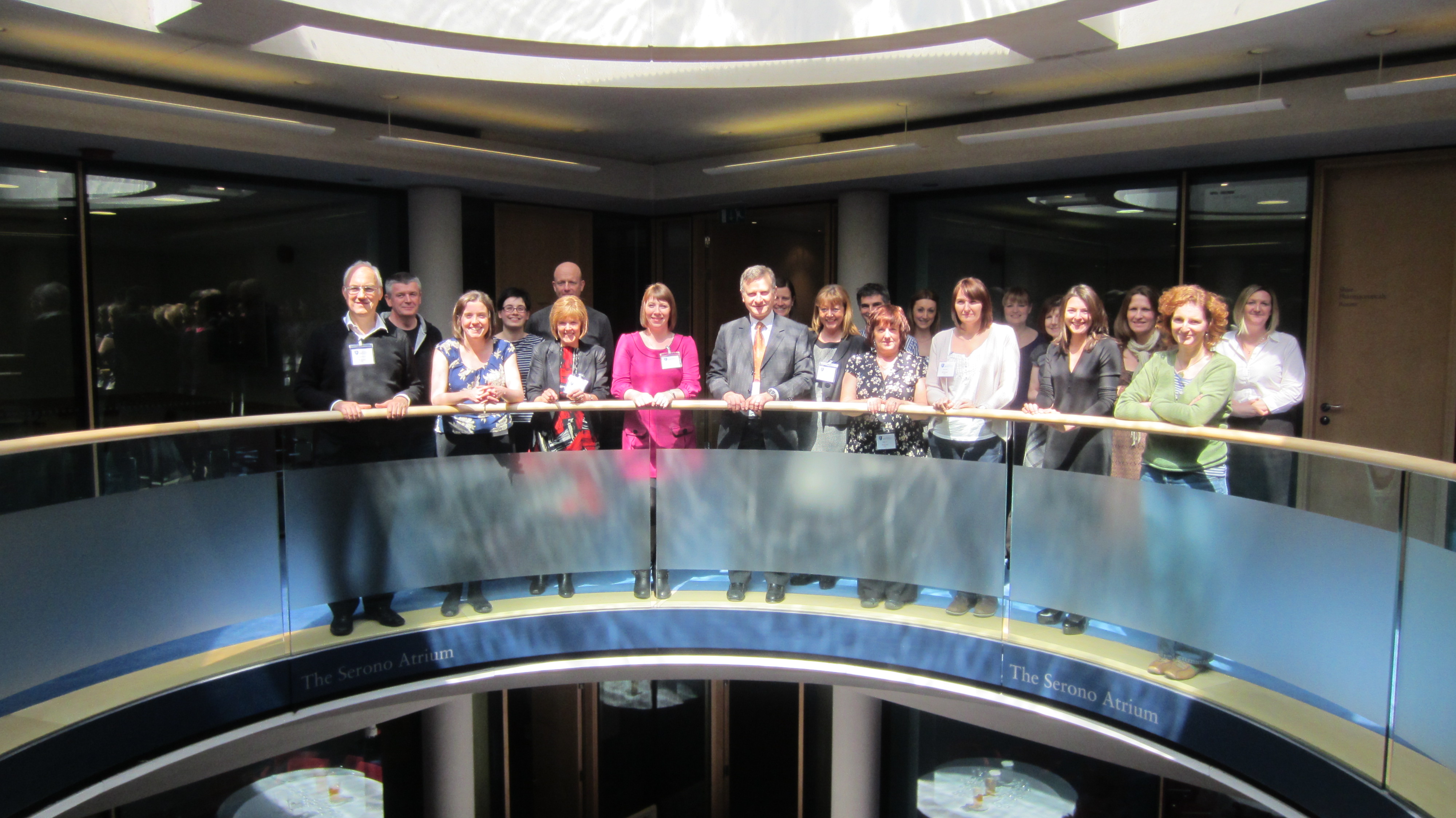
Randomised trials can be a bore – raising money, getting approvals and slowly, oh so slowly, recruiting, treating and following-up. But there are good moments.
Getting the money is one, although often so spun out with revisions and negotiations that, when the letter finally arrives, the pleasure has dissipated. Publication day is another, and it seems churlish to be dissatisfied with that. But by then you know how you could have done it better. The corners cut, follow-ups missed, and ambiguous results all gnaw away at the pleasure.
But the launch is undiluted. Money has been found, approvals obtained, and collaborators are keen to start. There’s even time to correct design flaws. I love trial launch meetings.
Here are Kate Walker and the rest of the 35/39 trial team at the Royal College of Obstetricians and Gynaecologists, last week. As happy as we will ever be.
Want to know more? Here’s the website www.35/39trial.org
Jim Thornton
Biker poet
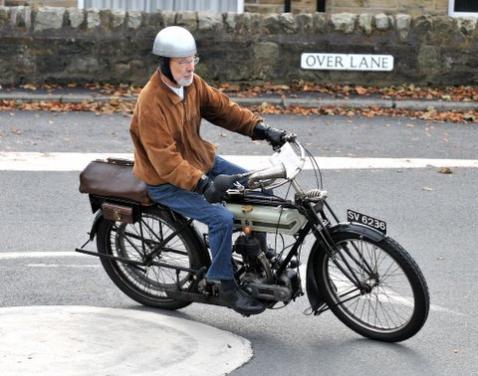
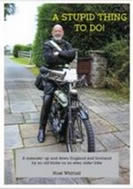
Living longer, with bus passes, pensions and the NHS, the problem with retirement is the ending – so make the most of it.
After a brush with bladder cancer, and a hang-gliding heart attack, poet Noel Whittall (more here and here) did just that. Age 73, anticipating death as a mild surprise rather than a tragedy, he didn’t feel up to any more open-craft flight, so last year he rode his 1918 Triumph Model H from his Leeds front door to John O’Groats, Lands End and home again.
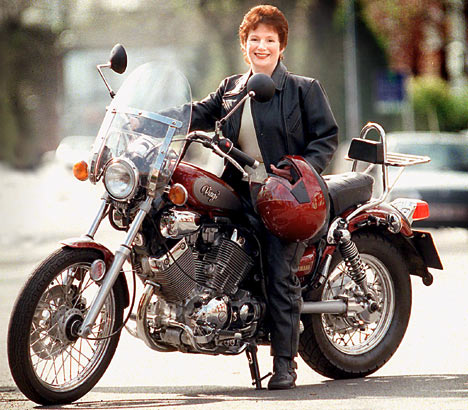
His 102 mpg failed to impress me – my Skoda estate almost does that! But environmentalists will approve the minimal planning and lack of support teams, tinkerers enjoy the mechanical details – Brummer belts, and priming cocks unwisely soldered closed – and racers the stories around Ivan Hart Davis’ 1911 record-breaker. Along the way he notices war memorials, ponders Hazel Blears dodging reporters in her cute leathers, and grumbles about bishops, royals and disappearing pubs.
He’s a bit of a lefty, but let’s forgive him. Hazel Blears is sexy, and although we’ll miss Noel when his mild surprise comes round, one less vote will soften the blow.
A Stupid Thing To Do! Noel Whittall. Propagator Press. Leeds. 2011.
The Proxy Marriage
The more loving one
Sentimental types will love this New Yorker story by Maile Meloy (May 21st 2012).
After 9/11, when US soldiers abroad wanted to provide for their pregnant girlfriends in the event of their death, some states allowed a proxy to represent the absent groom at a marriage. Montana even permitted two proxies, so business was brisk for local lawyer Mr Taylor, who paid his daughter and her school friend William, to stand in. You know where this is going.
The awkward piano playing boy dares not declare his love for Bridie, an aspiring actress, so they drift apart, and in her case, into a failed marriage. Soldiers get killed, couples divorce, and William’s mother fears he’s gay before she cottons on. William assumes his love is unrequited and in his depair, quotes Auden, “If equal affection cannot be, let the more loving one be me.” And then Bridie returns home to wait on tables, a couple request a proxy kiss on Skype, the earth moves, and it turns out Bridie never knew he loved her. “It didn’t have to be exactly equal. He would take anything close.”
I did warn you. Here’s Auden’s poem.
The More Loving One
Looking up at the stars, I know quite well
That, for all they care, I can go to hell,
But on earth indifference is the least
We have to dread from man or beast.
How should we like it were stars to burn
With a passion for us we could not return?
If equal affection cannot be,
Let the more loving one be me.
Admirer as I think I am
Of stars that do not give a damn,
I cannot, now I see them, say
I missed one terribly all day.
Were all stars to disappear or die,
I should learn to look at an empty sky
And feel its total darkness sublime,
Though this might take me a little time.
WH Auden 1957
Muddled psychiatric trial
SPARX – computerised cognitive behaviour therapy for adolescents
This week’s BMJ (here) reports a randomised trial to test whether SPARX, cognitive behaviour therapy (CBT) delivered by computer, was equal to “treatment as usual” for adolescents with depression. So long as “treatment as usual” includes conventional CBT, which probably works, this is a reasonable trial design.
The study was registered here with a planned sample size of 600 (300 per group) but only 187 got randomised. The discrepancy is ignored in the paper BMJ, but two different explanations are given, one on the trial registration site and another in the full electronic version of the published paper. Neither makes any sense.
Here’s an extract from the trial registration site justification.
“In April 2010, we carried out a planned blinded interim summary of the primary outcome measure, exploring the change in the CDRS-R, allowing for baseline levels and blocking by sites, based on 55 participants who had baseline and 2 month CDRS-R scores, produced a standard deviation of the change of 10.2. We established that if there were 110 participants completing the study this would therefore, provide sufficient power (80%) to detect a difference of 5.5 units on the CDRS-R change as statistically significant (two-tailed a=0.05). If the sample size were 130 this would decrease to 5.1 and if 200 participants were recruited this would further decrease to 4.1 units.”
And here’s an extract from the paper’s justification for the change.
“The children’s depression rating scale-revised contains several categories—for example, ‘depressive disorder might be confirmed in a comprehensive diagnostic evaluation’ and ‘depressive disorder is likely to be confirmed.’ The range of raw scores between these categories is 12-14. We argued that a difference of less than half a category was not likely to be clinically significant.”
Be honest. Recruitment was slow and you couldn’t be bothered.
Perhaps it doesn’t matter. The controls got “treatment as usual” which according to the protocol was going to “include psychotherapy, group counselling, individual counselling and psychoeducation”. No mention in the protocol of the controls getting CBT, but perhaps this would be picked up later. The plan was that a “detailed description of treatment as usual will be collected from each clinician at the end of the treatment.”
In the full version of the main paper all we are told is that 74 got “counselling”, 11 nothing at all, and two got drugs. That’s all. No mention of whether the counselling was CBT, or another type of psychobabble.
The explanation is buried in the discussion. They failed to collect “good data on adherence to treatment as usual”[…] and “clinicians often forgot to fill in our forms”. So why is the BMJ publishing it?
And the result? Both groups improved by the same amount. Here’s the primary outcome scores in each group.

The error bars are SEMs so the raw data, which they wisely keep hidden, is probably all over the place.
To their credit they do report one hard outcome – two children allocated to SPARX and one control child attempted suicide. On the basis of this the authors conclude that their SPARX programme is effective!
They’ve shown nothing of the sort. It’s no better and no worse than an undefined ragbag of “treatment as usual” in which none of the controls were documented to get conventional CBT, the only treatment with any supportive evidence.
And what about the 11 controls who got no treatment at all? On a post hoc analysis SPARX was significantly better than a “per protocol group of controls” who actually got some “treatment as usual”. The authors interpret this as encouraging for SPARX. But it implies that the 11 who got no treatment did best of all. It is equally plausible that “treatment as usual” was harmful.
Funding – New Zealand Ministry of Health
I wonder what the BMJ would say if a pharmaceutical company tried to pass off a new drug treatment for adolescent depression on the basis that it was no worse than controls given one of a range of undefined and unproven treatments, or no treatment at all? Would they be reassured when the company said they meant to ask what treatment the controls got, but the doctors “forgot to fill in our forms”?
Jim Thornton
Beauty, truth and love
Amsterdam Letter by Jean Garrigue
“The urn and the garland of leaves”, seen in a canal side shop, remind Garrigue of the famous ending to Keats’ Ode on a Grecian Urn.
“Beauty is truth, truth beauty,” – that is all
Ye know on earth, and all ye need to know.
But she’s a modern traveller, learning a few local words but glad that English is spoken, comparing peaceful Amsterdam with raucous New York while flirting with her cabdriver, and visiting Rembrandt’s house and the red light district. And although written in 1960, when coffee shops still sold coffee, she’s describing the modern city.
The urn’s perspective on the calming of passions is a little longer than the tourist’s quiet weekend, so the final lines differ.
AMSTERDAM LETTER
Brick distinguishes this country,
And broad windows–rather, rectangles
Of wide and glittering scope–
And cabbages.
Cattle a specialty, and cheese, storks–if they are not all dead
Or abandoned–and flowers, oh, flowers!
Some say as well, quick humor.
Is it a specimen of humor that a cab driver proposes to marry me?
The speaking of English is at least general.
I have spoken as well a little Dutch with an old Fresian lady.
How affable she was, amusing and helpful!
(They are helpful and affable, and their far too occasional teams of horses
Wear rosettes by the ears.)
Aside from that and above all, the dense, heavy, fragrant sky
And rich water, a further extension of color-
The sky a low window over this twining of green water and bridges-
And the sedate gabled houses pressed closely together
And bicyclists, six abreast or more,
Whirling round corners like swallows
How quiet they are! Even the trolleys!
While the trains seem to glide like sleighs on runners
So that after those many places dedicated, it would seem, to clatter,
The absence of it becomes an active delight in itself.
The delight is in part, of course, the lovely dividing of the city
By those ancient and ripe green canals, and the mixed fragrance
Of the River Amstel and roasting coffee,
And the bravura of carved animal heads, the elegance of panels,
And those panes of violet and panes flushed yellow
(To transmit the effect of sunlight in winter)
That alternate the pure meaning of glass
With the blindness of shutters closed over warehouse windows,
And that Gothic German-French sense of the arabesque and the scroll,
The urn and the garland of leaves.
As for that delicacy of manner, that responsiveness to many,
That prevalence of what seems self-possessed, contained and easy-
I am speaking of those who went out of their way
To lead me to Rembrandt’s house
(Which in his lifetime he lost),
Of the woman at the Cantine,
Of the Madame, too, in the Zeedijk,
Amiable conversationalists
Who did not make me feel stupid
Because I would never speak their language
Who by a manner suggested
What I have no word for-
Unfeigned it is and unblighted,
That “generous, free disposition”
That so strongly confirms
A fitness of things,
As do also the upright geraniums
All of which, by the elm-dark canals
(Where dogs on the loose loped up to me
With cold, wet noses
And ducks paddled under the Seven Arches
And the gilt swan rode on the crest of the fortified tower),
Offered some measurable glimpse of what
There, by the water beds
And the ancient, calmed passions of their reflections,
Informed me as the moon does,
Which was in part the pleasure of learning
Those words that I did from the old Frisian woman-
Horse, sky, cow, tree, thank you, I mean,
Beauty, and love.
Jean Garrigue 1960
 Ripe-tomato.org