The Chamber over the Gate
By Henry Longfellow
One of Mrs Thatcher’s attractive features was her unpretentious love of poetry. She hardly ever quoted a line or title correctly, as she would if briefed to do so, but mangled it slightly, suggesting genuine mis-recollection. Philip Larkin was famously pleased that she mis-remembered the line “Your mind lay open like a drawer of knives”, calling Deceptions, the one in which that girl’s ‘mind was full of knives’. Here’s another occasion.
In the first volume of his official life (p 191) Charles Moore mentions a speech to the North Finchley Bible Society in 1966. Referring to the recent Aberfan disaster, and the horror of losing a child, she said that David’s lament for his dead son Absalom was a favourite Bible passage. But there isn’t much lament for Absalom in the Bible; just the single verse 2 Samuel 18, v 33.
“And the king was much moved, and went up to the chamber over the gate, and wept: and as he went, thus he said, O my son Absalom, my son, my son Absalom! would God I had died for thee, O Absalom, my son, my son!”
Nor was she thinking of his lament over Saul and Jonathan, the one that ends “How are the mighty fallen, and the weapons of war perished!” Neither Saul nor Jonathan were David’s children. I bet she had this poem in mind. The title refers to the the place where David went to grieve after the rebellious Absalom had been killed by the King’s own forces.
The Chamber over the Gate
Is it so far from thee
Thou canst no longer see
In the Chamber over the Gate
That old man desolate,
Weeping, and wailing sore
For his son, who is no more?
O Absalom, my son!
Is it so long ago
That cry of human woe
From the walled city came,
Calling on his dear name,
That it has died away
In the distance of to-day?
O Absalom, my son!
There is no far nor near,
There is neither there nor here,
There is neither soon nor late,
In that Chamber over the Gate,
Nor any long ago
To that cry of human woe,
O Absalom, my son!
From the ages that are past
The voice comes like a blast,
Over seas that wreck and drown,
Over tumult of traffic and town;
And from ages yet to be
Come the echoes back to me,
O Absalom, my son!
Somewhere at every hour
The watchman on the tower
Looks forth, and sees the fleet
Approach of the hurrying feet
Of messengers, that bear
The tidings of despair.
O Absalom, my son!
He goes forth from the door,
Who shall return no more.
With him our joy departs;
The light goes out in our hearts;
In the Chamber over the Gate
We sit disconsolate.
O Absalom, my son!
That ‘t is a common grief
Bringeth but slight relief;
Ours is the bitterest loss,
Ours is the heaviest cross;
And forever the cry will be
“Would God I had died for thee,
O Absalom, my son!
Henry Longfellow
Balanced but biased
The BBC’s menopause advice
Is odd (click here), and not just because they chose three men to deliver it; “Imagine I’m a woman” says the interviewer!
For the series Trust me, I’m a doctor the BBC interviewed two doctors with opposing views about long-term menopausal hormone therapy. Klim McPherson an epidemiologist from Oxford, presented the conventional view (click here); it carries increased risks of breast cancer, strokes, and heart disease and therefore should be used for symptom relief only, and in the lowest dose and for the shortest time possible. The absolute risks are low, so women whose symptoms persist may choose to take it for longer, just so long as they know the risks. But hormone therapy should never be used for “health promotion”. Few would quarrel with that.
But the producers wanted controversy, an “expert” who would downplay the risks and say that hormone therapy is good for you. They found John Studd.
Studd’s early enthusiasm for menopausal hormone therapy was at least based on the evidence available at the time. It was hardly his fault that drug companies had concealed adverse cardiac events, and that the “healthy user” effect made observational studies misleading. But his passion did rather run away with him. Here he is from 1988 (quoted in “Hot Flushes, Cold Science: A History of the Modern Menopause 2011 by Louise Foxcroft here).
“[There is now] little serious controversy about the devastating effects of oestrogen deficiency or the beneficial effects of hormone replacement therapy in post menopausal women. Pockets of resistance remain, more spiritual than medical, but fundamentally the news concerning heart attacks, strokes and carcinoma of the uterus is good. Some minor skirmishes concerning the dose and route of oestrogens, and the correct progestagens for the prevention of endometrial pathology remain, but essentially the battle has been fought and won.”
As Foxcroft wrote, such “hideously inappropriate, crusading language of prophets and wars” hardly suggested a disinterested seeker after scientific truth.
She was right. When the Women’s Health Initiative (WHI) trials (click here) were suspended because the hormone therapy harms made it unethical to continue, Studd couldn’t, or wouldn’t, alter his opinion. Instead he doubled down on his belief that hormone therapy is good for you, bad mouthing WHI overall, while selectively quoting those subgroup analyses and secondary endpoints which supported his ideas.
His reputation suffered. In the last century his papers regularly appeared in BJOG, the BMJ and Lancet. Now he’s pretty much confined to obscure menopause journals supported by industry and run by his friends. But pharma loved him, and put him on their advisory boards and flew him round the world to spread the word.
Before long he had turned into a single issue campaigner advocating estrogen therapy for everything. On his website (click here) he cites “10 reasons to be happy about HRT”, and even castigates psychiatrists for not treating depression with hormones! His “10 reasons” include making women more beautiful, more randy and nicer to live with!
Studd performed as the BBC hoped (click here). When asked about the increased risks of breast cancer he first avoided the question, and segued into his polished riff about the WHI trials which, according to him, studied “the wrong patients, with the wrong drug, by the wrong route, using the wrong dose and came to the wrong conclusions”. Of course he’s entitled to his opinion, but it’s him who’s wrong; no-one who knows anything about clinical research would agree with him. The two WHI trials studied more woman for longer than any other, and in the latest Cochrane review (click here) were among the minority accorded a perfect score of 7/7 on trial design.
When the interviewer pushes him, and asks about the claim that long-term HRT doubles the risk of breast cancer he denies that anyone thinks the risk is that great, and suggests that even the most anti-hormone experts only quote a relative risk of 1.1 or 1.2. This provokes incredulity in the interviewer who had just recorded McPherson stating the risk was doubled (click here. It’s at 55 seconds). McPherson is right. The relevant Cochrane review (click here) gives a relative risk of breast cancer death after long-term hormone therapy of 1.98.
When asked if he ever takes women women off hormone therapy, Studd replies: “No, I don’t take women off HRT.” Women must be thankful that he no longer works for the NHS.
Thank you to my colleague Susan Bewley who pointed out this poor choice of “expert”, and persuaded the BBC to add a sentence to indicate Studd’s conflict of interest:
“Professor John Studd now works entirely in private practice, specialising in HRT-based treatments.”
I think this is inadequate. I think the BBC should remove Studd’s interview altogether. If they won’t do that, they should add a much stronger conflict of interest statement. Here’s a suggestion.
“Professor Studd has a conflict of interest. He has received funding for travel, lecture fees and payment to sit on their advisory boards, from many manufacturers of menopausal hormone therapy. He no longer works for the NHS, instead running a private clinic where he advocates and prescribes estrogens, either alone or in combination with other hormones, for pretty much every woman who comes through the door.”
Jim Thornton
Girl on girl
The Argonauts by Maggie Nelson
A Feminist Accused of Sexual Harassment by Jane Gallop


The Argonauts (click here) is not your usual baby book. According to Maggie Nelson’s faculty page at the California Institute of the Arts it is:
a work of “autotheory” about gender, sexuality, sodomitical maternity, queer family, and the limitations and possibilities of language
Nelson is a lesbian-ish poet and writer. Her partner, Harry Dodge, a female to male transsexual film maker and actor. Her politics are far left – the anti-capitalist rhetoric sometimes grates – but she is a wonderful writer. Her subject is not just sex and babies, not even the complexity of human sexuality, gender roles and reproduction, although she takes the reader to some wilder shores. Nor is it even about individual complexity, how so many of us, can hold mutually opposing opinions at one and the same time. Nelson’s real subject is the difficulty of writing about all that. How it is impossible to put the truth about our feelings into words, but that still we must try. Words are the best we have. “Words are good enough.”
She describes caring as a step parent for Dodge’s son, and the conception, pregnancy and birth of their shared son, Iggy. The conception was of course complicated, but the rest was normal; spontaneous labour at 39 weeks, some unspecified pain relief, amniotomy at full dilatation and an unassisted vaginal birth. At six months Iggy “was stricken by a potentially fatal nerve toxin that afflicts about 150 babies out of the 4 million+ born in the United States each year”. She doesn’t name the disease; “I am not going to write anything here about Iggy’s time with the toxin”, presumably that’s for her next book, but elsewhere we are told it cost $47,000 to be treated with an “infusion of rare antibodies harvested from other people’s bodies”. My guess is immune globulin for infant botulism.
But this is all background. The interest lies in dozens of loosely linked vignettes about life and attitudes in a fluidly gendered community in present day California. Here’s a few.
Nelson rages against the mother of a transgendered child, a pupil, likening the child’s sex change to a bereavement, until Dodge reminds her of her own fears about how he would change with testosterone.
Dodge explains that it takes a female to male transsexual to see the ways men acknowledge each other publicly; the nod as we pass in the street that women never make. Nelson notes that we presumably do it to reassure other men that we have no aggressive intent; throughout most of history a strange man was a threat in a way a strange woman rarely was.
She works herself into a lefty lather about being “forced” to work in a smokers bar, albeit long before she was pregnant, but admits to enjoying the company of the reckless smokers and drinkers she met there.
The sex seems to have been good. “You pretend to use me, make a theatre of heeding only your pleasure while making sure, I find mine.”
Most shocking is her description of an extraordinary attack (p 48) by art historian Rosalind Krauss on the feminist Jane Gallop. I don’t know anything about Krauss, but Gallop was to become famous with her controversial Feminist Accused of Sexual Harassment (click here). Nelson doesn’t mention that later book, although it’s surely relevant.
The seminar was at the City University of New York (CUNY) in October 1998. The topic photography. Gallop, a newlywed young mother, spoke of studying it from the point of view of the person photographed, illustrated her talk with slides of her naked self with her baby, and spoke happily and un-academically about sex with her new husband. “Heterosexuality always embarrasses me” notes Nelson parenthetically, but she is attracted to Gallop’s method, despite the tentative nature of her ideas and the incompleteness of her analysis. She is also attracted to Gallop, to her vulnerability, her unfashionable dress sense. And then Krauss, sharp, classy, Ivy League, responds with, as Nelson recalls it, a vicious unsparing academic take down of Gallop’s temerity.
The lashing Gallop received that day stood for some time in my mind as an object lesson. Krauss acted as though Gallop should be ashamed for trotting out naked pictures of herself and her son in the bathtub, contaminating serious academic space with her pudgy body and unresolved self-involved thinking (even though Gallop had been perfecting such contamination for years).
The tacit undercurrent of her argument, as I felt it, was that Gallop’s maternity had rotted her mind – besotted it with the narcissism that makes one think that an utterly ordinary experience shared by countless others is somehow unique, or uniquely interesting.
Shocking, particularly for those, who in equivalent debates on birth itself, side with the Krauss’s of this world; rolling our eyes at soft midwifery-based mother and baby talk, when what is needed is manly science. Nelson describes how generally she also sides with the hard-edged academic. But …
In the face of such shaming, I felt no choice. I stood with Gallop.
She’s right. Gallop can talk nonsense, e.g. this from her home page (click here) “[…] The project brings together crip theory, feminist aging studies, queer temporality, psychoanalysis, and anecdotal theory. I consider how disability that begins in midlife and/or the entrance to middle age are [sic] lived as a threat to one’s sexuality and one’s gender, but also how these perspectives can supply us with alternative models of sexual temporality.” Lord save us!
But, like Nelson, when she draws from personal experience – A Feminist Accused of Sexual Harassment is just that – she writes beautifully. Accused by two female students with whom she had flirted, Gallop got off with a warning from her university, and then jumped into print with this book. It’s not just a defence of her own actions, but a closely argued claim that sexual harassment rules in university have gone too far. Not only are they impossible to police – people start relationships at work all the time – but they harm academic discourse. Flirtation brings energy and intensity. Without sexual possibility universities would be grey and chilling.
Only a woman with rock solid feminist credentials would dare make such a claim – sexual harassment in the workplace is a serious and ongoing problem. But Gallop goes further. She describes previous escapades where she as a student fucked her teachers, and other occasions when as a more senior academic she flirted with, and sometimes fucked, her students. Apparently none of them complained.
She argues that even if she had gone all the way with the students who complained, she should have had no case to answer, just so long as the students had remained willing, and she had not unjustifiably discriminated against them academically. She even protests at the students legal attempts to prevent her writing about the story. It’s a racy read – not the sex itself, albeit both straight and lesbian – but the thrill of a woman writing so openly. And on the substantive issue Gallop surely has a point, although the line between constructive flirtation and harassment is a fine one, and tiny misreadings of intent can easily cause trouble, even for a sophisticated navigator of these choppy waters.
I can’t hope to do justice to either of these two short and brilliant books, and not just for lack of space; my words are not good enough.
Jim Thornton
The Philosopher’s priest’s pupil
Iris Murdoch on Stéphane Mallarmé’s Petit air
In the middle of The Philosopher’s Pupil, John Robert Rozanov, the ageing philosopher, persuades the unbelieving gay priest, Father Bernard Jacoby, to tutor his grand-daughter Hattie. The tutoring is part of Rozanov’s plan to keep Hattie secluded from society in the hope that the young Tom McCaffrey can be persuaded to marry her. It doesn’t go well. Discovering that Hattie’s German is better than his, and getting into a muddle with Dante, he reaches desperately for a favourite poem, the first section of Mallarmé’s Petit Air, and asks her to translate.
An unwise decision. Not only are naked lovers swimming hardly a suitable discussion topic for repressed gay priests and teenage girls, but Mallarmé is pretty much impossible to translate. Nevertheless the comedy Murdoch gets out of Hattie’s efforts at translation and the priest’s fantasies explains the poem:
[…] He had intended to choose a less difficult poem, but the book had opened automatically at one of his favourites […] he realised that although he could ‘sort of’ understand the poem, and liked it very much, he could not construe it. […]
Hattie’s attempt at a literal translation began; ‘A sort of solitude without a, or the, swan or quay reflects its disuse in the look which I abdicated, or removed, from the glorious – no, the vanity – so high it can’t be touched, with which many skies streak themselves with the golds of sunset, but languidly wanders the white linen taken off a sort of fugitive bird if it plunges -‘ […]
‘It’s impossible.’
‘You read it aloud as if you understood.’
‘Well it’s beautiful – but whatever does it mean?’
‘What do you think it’s about, what sort of scene is the poet evoking?’
Hattie looked silently at the text, while Father Bernard admired her smooth boyish neck over which tendrils of pale-fair hair from the complex bun were distractedly straying.
‘I don’t know,’ she said. ‘Since he says there is no swan and no quai, I suppose it might be a river?’
‘Good deduction. After all it’s a poem!’
‘And there’s a wave at the end.’
‘And – nue?’
‘Someone naked, perhaps someone swimming naked.’
‘Yes. It’s a kind of puzzle picture, isn’t it.’
‘He’s turning away from the gloriole that means sort of false showy something, doesn’t it, which is too high to touch because then longe wouldn’t be right – I think – so I suppose regard is the subject – but -‘
‘Oh never mind about the subject -‘
‘But I do mind! The solitude, the uninteresting solitude, reflects its swanless desolation in the look which he had turned away from the false glory, too high to touch, with which many skies dapple themselves in sunset golds – perhaps he thinks sunsets are vulgar – then, or but why but? – something or other, either his look on a fugitive bird, no I see, his gaze coasts languidly, no, langorously, along like white linen taken off – that can’t be right – has longe got an object, could it be the bird? – perhaps the bird is like the linen, maybe it’s a white bird that plunges – like the – the clothes which – no, no, surely the jubilation plunges – and the langorous gaze coasts along the jubilation – I mean – then “but” would have sense – it’s all rather dull until my gaze langorously – no – if a (but why if?), if a bird plunges like white linen taken off, my gaze langorously follows, exulting beside me, or it, in the wave that you have become, your naked jubilation – oh dear! that can’t be right -‘
Hattie had become quite excited […]
Father Bernard was excited too, but not by the grammatical quest. […] What was the subject of what? Who cared? The general sense of the poem was perfectly clear to him, or rather he had made his own sense and hallowed it long ago.
He said, ‘Let’s get the general picture. You said there was a river and someone swimming naked. How many people are there in the poem?’
Hattie replied, ‘Two. The speaker and the swimmer.’
‘Good. And who are they?’
‘Who are they? Oh well, I suppose the poet and some friend -‘
Father Bernard’s imagination had, in taking charge of the poem, taken advantage of the fact that the sex of the swimmer was not specified. In the blessed free-for-all of fantasy he had pictured the charming companion, whose underwear slides off with the languid ease of a bird’s flight, as a boy. The final image was particularly precious to him of the young thing diving in and rising into the wave of his plunge, tossing back his wet hair and laughing. And all about the green river bank, the sunshine, the warmth, the solitude …
‘Do you think it’s a love poem?’ He asked her.
‘Well it could be.’
‘How can it not be?’ He almost cried. He thought, she is unawakened. ‘The poet is with his -‘ he checked himself.
‘Girl friend, I suppose,’ said Hattie stiffly. She was feeling shocked at Father Bernard’s evident indifference to the pleasure of finding out main verbs and what agrees with what; and she had not failed to notice his dismay at her outburst of German.
‘Girl friend! What a phrase. He is with his mistress.’
‘Why not his wife? said Hattie. ‘Was he married?’
‘Yes, but that doesn’t matter. This is a poem. We don’t want wives in poems. He is with a lovely young woman -‘
‘How do you know she is lovely?’
‘I know. Just see the picture.’
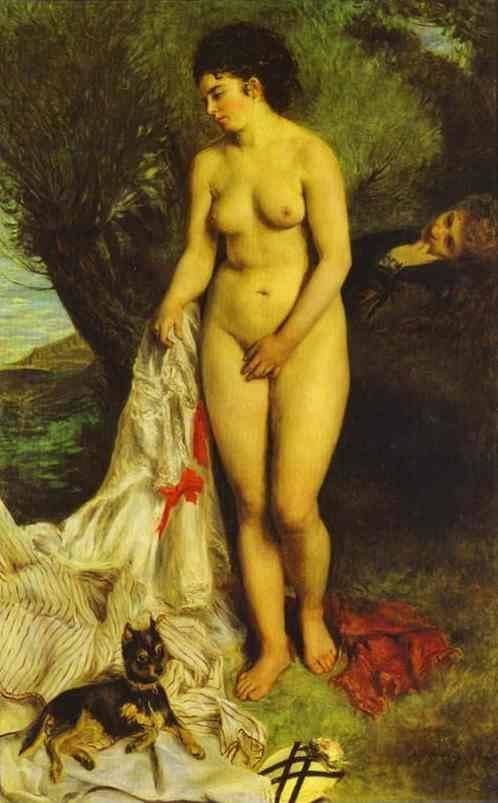
Hattie said more kindly., ‘Yes, I think I can – it’s like that picture by Renoir – La baigneuse au griffon – only there – well there are two girls, not a man and a girl.’
‘This did not interest Father Bernard, at any rate he did not pursue it, but the evocation of the lush greenery and the Impressionist painter accorded with his racing mood. ‘Yes, yes, it’s sunny and green and the river is glittering and the sunshine is coming through the leaves and dappling, that was a good word you used, the naked form of the -‘
‘The sun doesn’t dapple the girl, it’s the gloriole, no it’s the sky or skies that dapple themselves with-‘
‘Never mind, you must get the sense of the whole – the linen, white like the bird, slips away -‘ The image which had now, with magisterial charm, risen up in the priests mind, lily-pale and glowing with youth, was that of Tom McCaffrey.
The philosopher’s futile attempt to control Hattie’s developing sexuality is undermined – ‘We don’t want wives in poems’. Hattie’s image of the poem as a voyeuristic lesbian scene, albeit undeveloped, is a lovely contrast to the priest’s gay fantasies. Here it is in the original French, in an English translation by EH & AM Blackmore.
|
Petit air. I. Quelconque une solitude Ici de la gloriole Mais langoureusement longe Dans l’onde toi devenue |
Little ditty. I. Some kind of solitude from the vain pomp too high but languorously skirt your naked bliss should plumb |
Here is the picture it reminded Hattie of, Renoir’s La beigneuse au Griffon. The Griffon is the dog at the naked woman’s feet, the model was Renoir’s mistress, Lise Tréhot, and the painting is in São Paulo Museum of Art.
Jim Thornton
The Sacred and Profane Love Machine
Titian, Giorgione, Tintoretto & Iris Murdoch


The title comes from Titian’s Sacred and Profane Love (above left in Rome’s Borghese gallery), a painting which is notoriously ambiguous about which of the clothed or naked women depicts which type of love. In the novel Murdoch also repeatedly unsettles the reader as to whether Harriet and Blaise Gavander’s 19 year marriage, or Blaise’s nine year clandestine affair with Emily, is the sacred relationship. Before the novel opens, their neighbour, crime writer Monty Small, who has colluded with Blaise, has already loved, hated and been widowed by his possibly adulterous actress wife Sophie. Was his love sacred or profane?
Harriet’s relationship with Monty, and her decisions to forgive, and later not forgive, Blaise’s affair and love child, drive the plot.
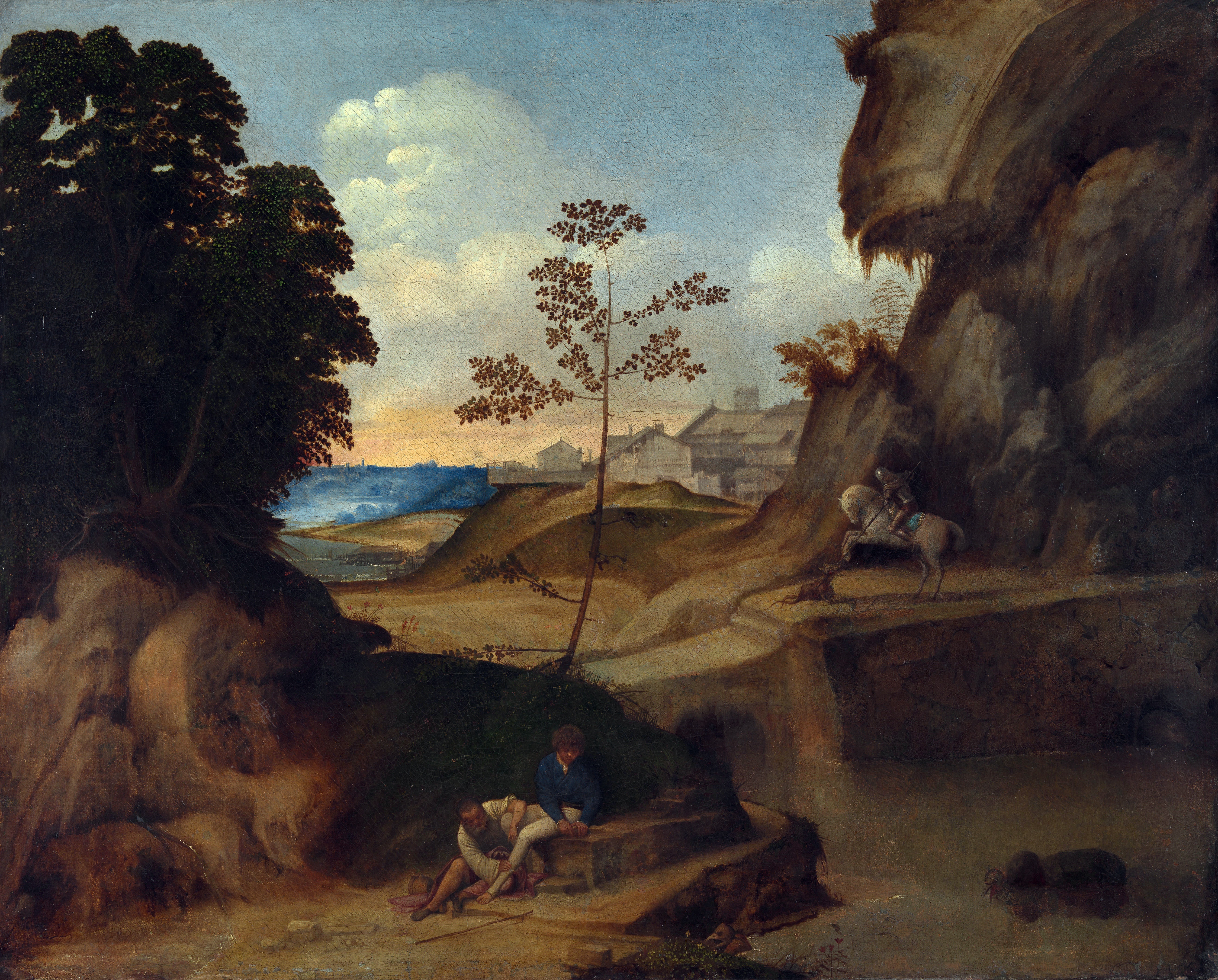
Early in the novel, dumped in the National Gallery while Blaise visits his mistress, the still unsuspecting Harriet looks at “Giorgione’s picture of Saint Anthony and Saint George”. Presumably this is Il Tramonto (The Sunset), which the gallery acquired in 1961 (above middle).
“There was a tree in the middle background which she had never properly attended to before. Of course she had seen it, since she had often looked at the picture, but she had never before felt its significance, though what that significance was she could not say. There it was in the middle of clarity, in the middle of bright darkness, in the middle of limpid sultry yellow air, in the middle of nowhere at all with distant clouds creeping by behind it, linking the two saints yet also separating them and also being itself and nothing to do with them at all, a ridiculously frail poetical vibrating motionless tree which was also a special particular tree on a special particular evening when the two saints happened (how odd) to be doing their respective things (ignoring each other) in a sort of murky yet brilliant glade (what on earth however was going on in the foreground?) beside a luscious glinting pool out of which two small and somehow domesticated demons were cautiously emerging for the benefit of Saint Anthony, while behind them Saint George, with a helmet like a pearl, was bullying an equally domesticated and inoffensive little dragon.”
A lovely, albeit rather inaccurate, description of the painting, but an even better metaphor for her state of innocence before discovering her husband’s ménage.
Later, reading Blaise’s letter confessing all:
“She remembered an Annunciation by Tintoretto in which the Virgin sits in a wrecked skeleton stable into which the Holy Ghost has entered as a tempestuous destructive force. Only Harriet was not glorified by ruin. Her house was destroyed indeed.”
But not at first. Harriet rallies, forgives the lovers and takes charge. But it’s not easy. Emily wants her man. Blaise vacillates. There are children involved. Outsiders interfere. The plot twists and turns, but it turns relentlessly against Harriet. Eventually she and her house are “destroyed indeed”.
Tintoretto’s Annunciation (right above) is in the Scuola Grande di San Rocco in Venice.
Iris Murdoch. The Sacred and Profane Love Machine. Chatto & Windus. London. 1974
Kissing the stomach
By Michael Ondaatje
Ondaatje’s themes, embracing the whole of the other, moving beyond jealousy, are grown up emotions. In her autobiographical memoir, The Argonauts, Maggie Nelson, who had not yet reached that exalted state, described sending this to her much tattooed lover Harry Dodge, in the hope that it might help her one day accept his previous lovers. She had a lot to get over, but it probably did.
Fragment 24, in the series Rock Bottom, from The Cinnamon Peeler; Selected Poems (Bloomsbury 1989). “Skin boat” is also the title of a series of more substantial poems, including the famous title poem (click here), in the same collection.
Kissing the stomach
kissing your scarred
skin boat. History
is what you’ve travelled on
and take with you
We’ve each had our stomachs
kissed by strangers
to the other
and as for me
I bless everyone
who kissed you here
The River Slea & the Kyme Eau
First posted http://www.igreens.org.uk in 2006.
Rising on the limestone hills of Willoughby Heath the Slea flows eastwards to the Witham, changing its name to the Kyme Eau halfway.
In 1792 it was canalised from Carre Street Wharf in Sleaford, but the navigation was abandoned in 1878 and the locks replaced with fixed sluices. In 1977 the Sleaford Navigation Society started converting the sluices back to gated locks.
Normally iGreens oppose repairing this sort of navigation. We prefer to see rivers in their natural state (click here to read more), but we make an exception for this one. In the absence of man the Slea would be impenetrable marsh. No-one is suggesting allowing the fens to return to their natural state, so they need to be managed. A waterway from Sleaford to the Witham would be a wonderful amenity. We wish the restorers well. Click here for their website.
In Feb 2003, the Slea was seriously polluted by a spill of the pesticide Cypermethrin into a tributary, the Nine Foot river. About 100,000 fish died over a 15 mile stretch, but rivers recover. It was good to see many fish in the river in April 2006. Enough preamble. On to the itinerary.
In the centre of Sleaford the river is inviting, but too small to canoe.
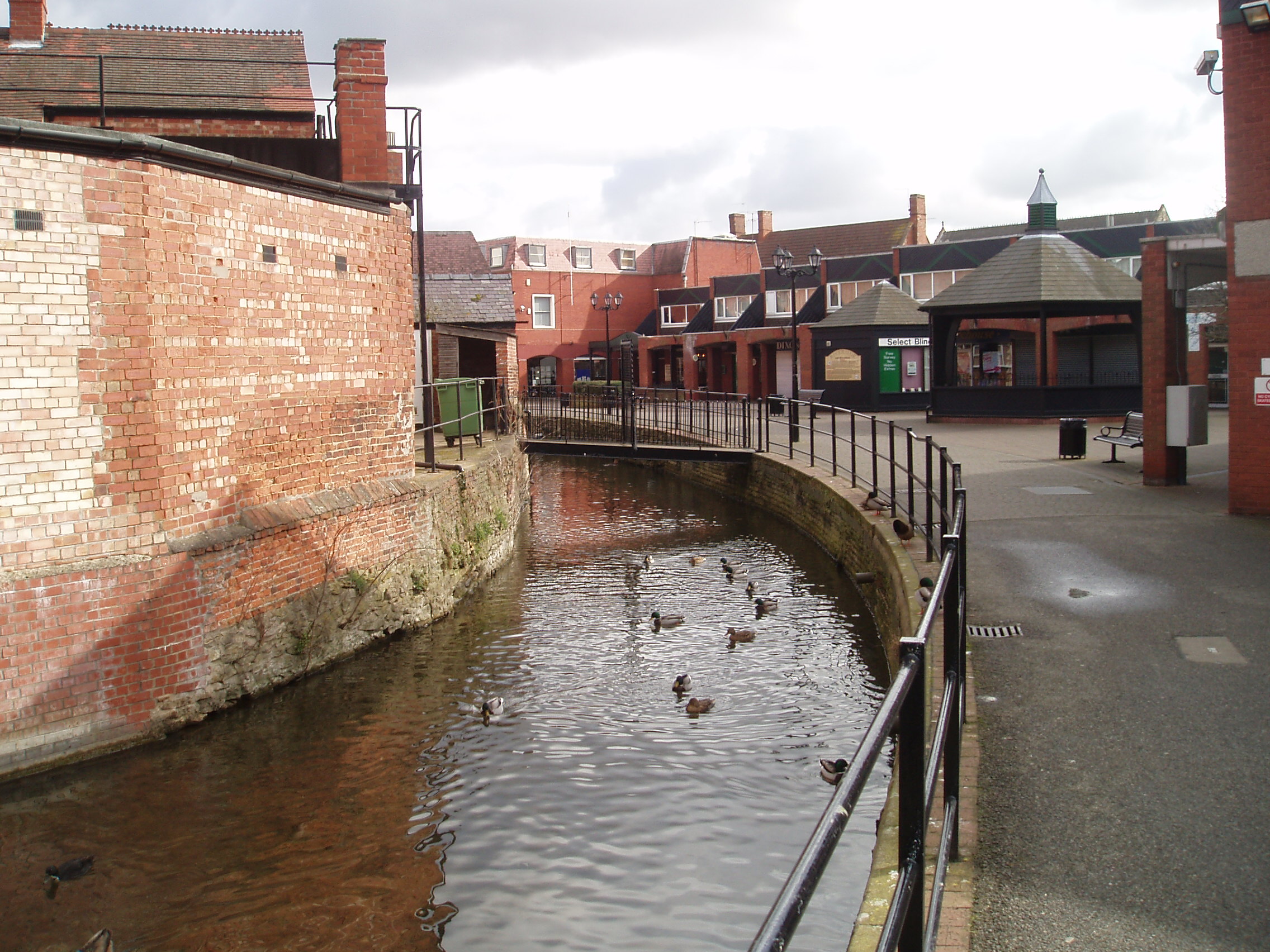
Impassable little weir under low footbridge just below the shopping centre. The upper part of the old navigation looks inviting too, but is not connected downstream.
0 miles – The Hub art centre
After rain it is possible to canoe from here. Early in the year is best before the reeds grow too dense. Car parking and access from left bank in front of the art centre.
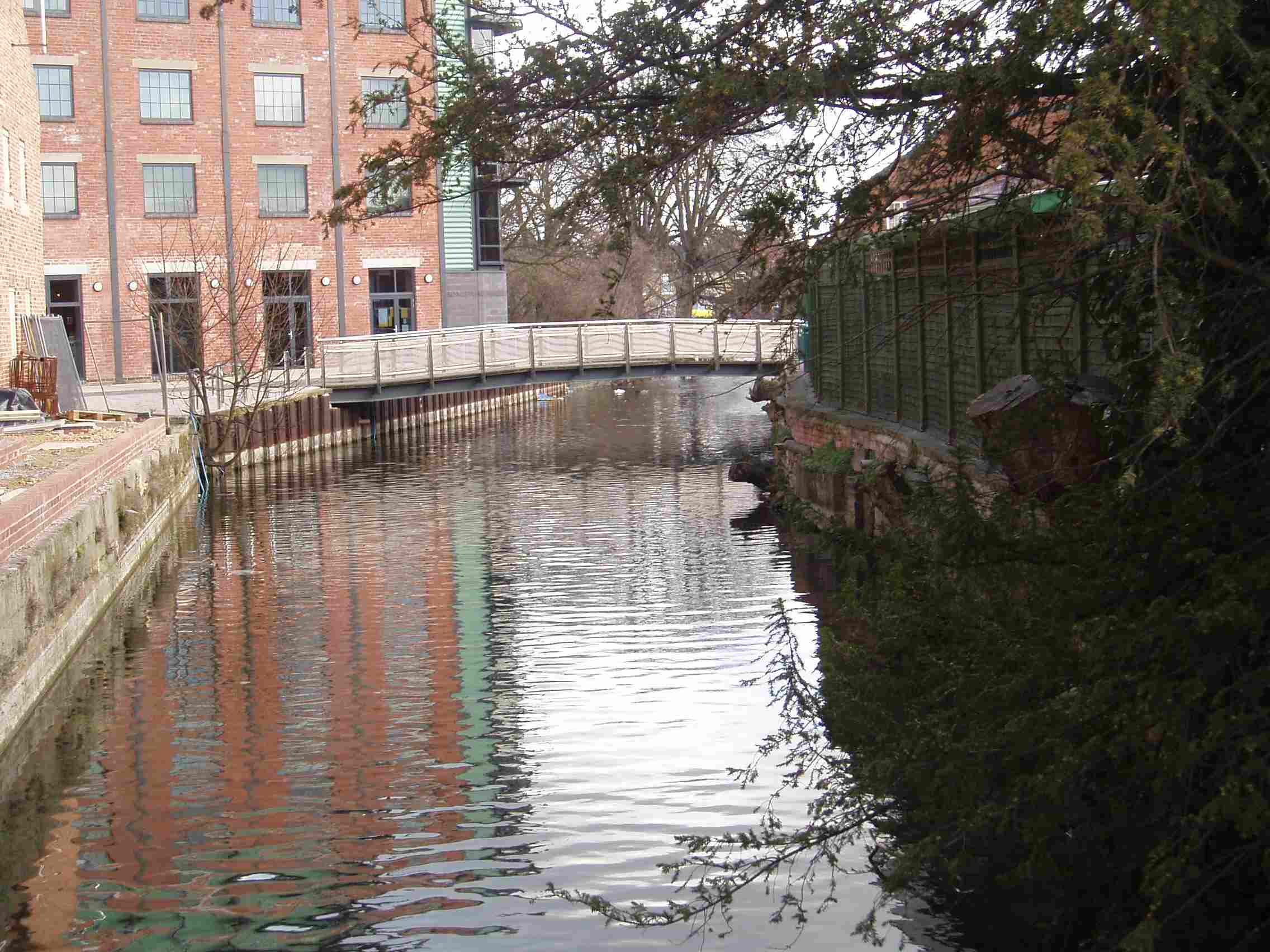
Three mosaics on the right bank commemorate the Navigation
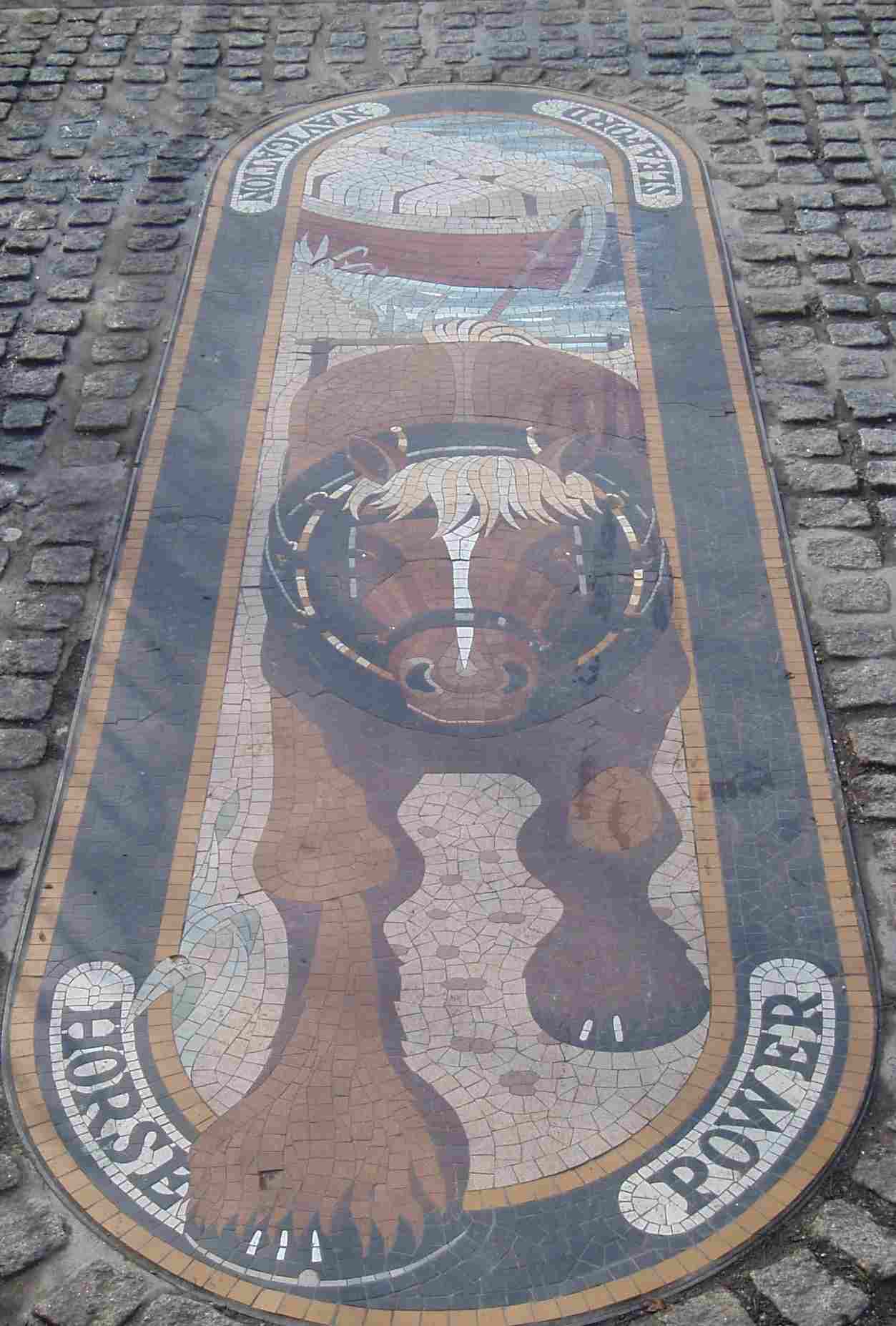
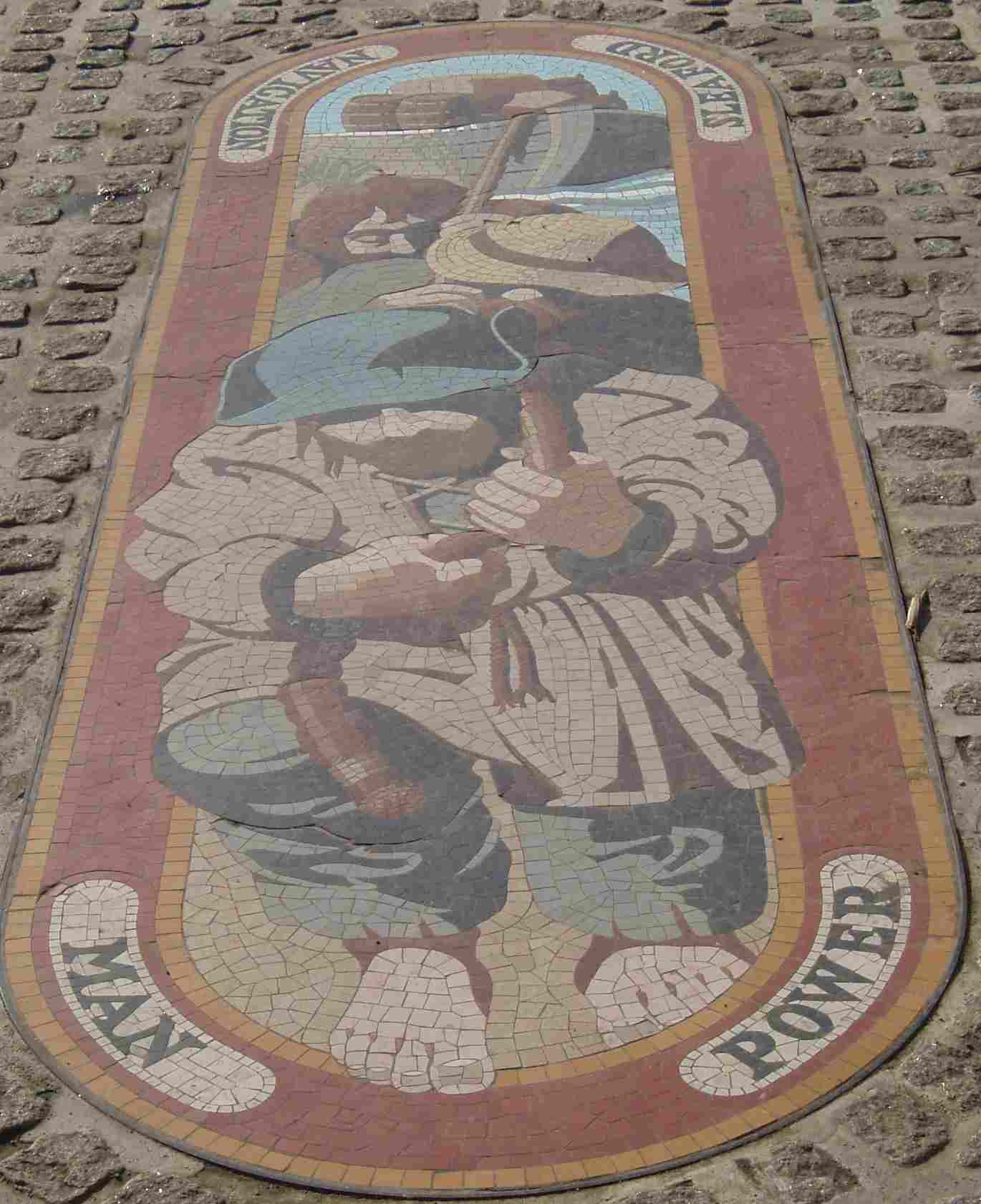
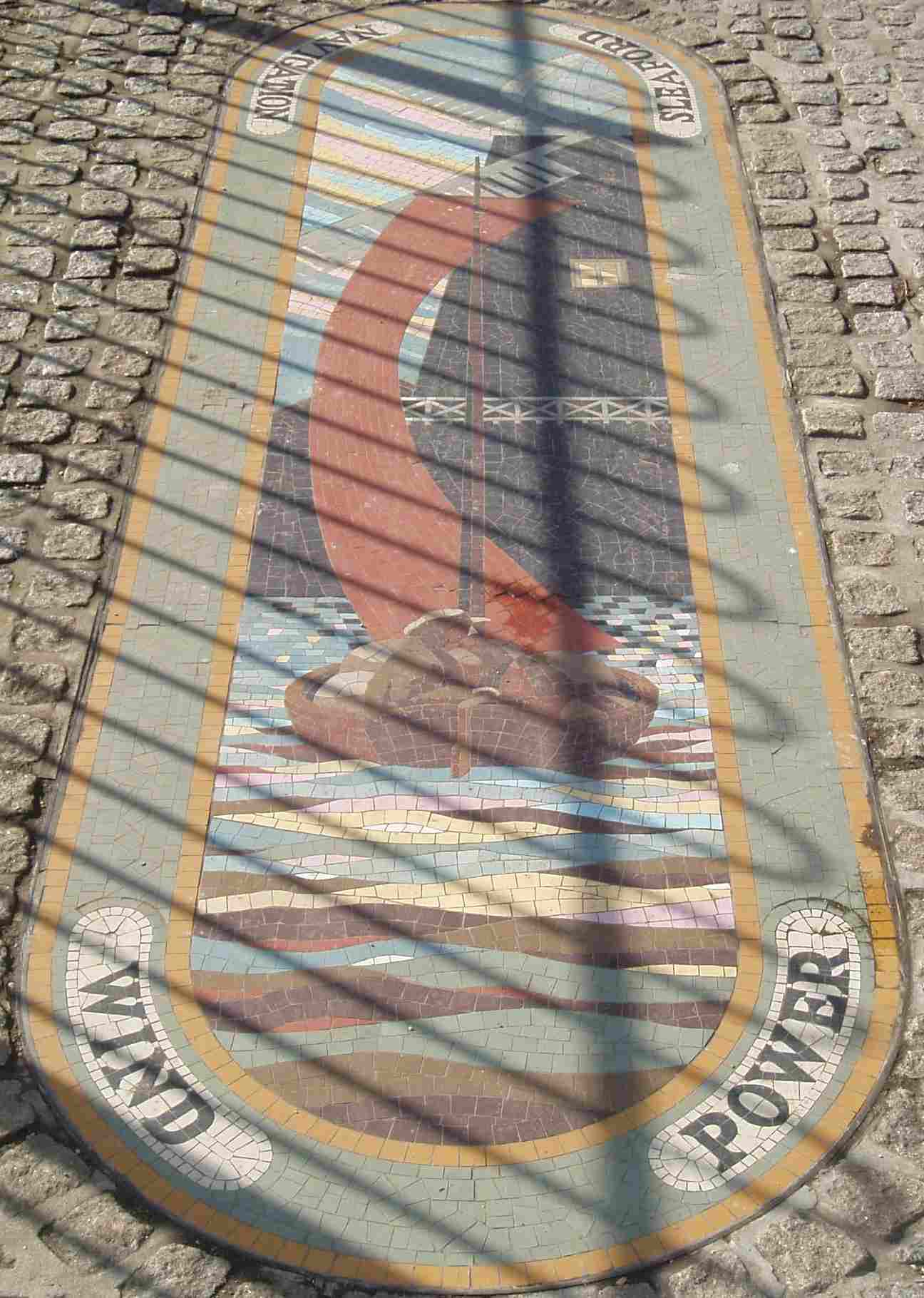
0.2 miles – Footbridge
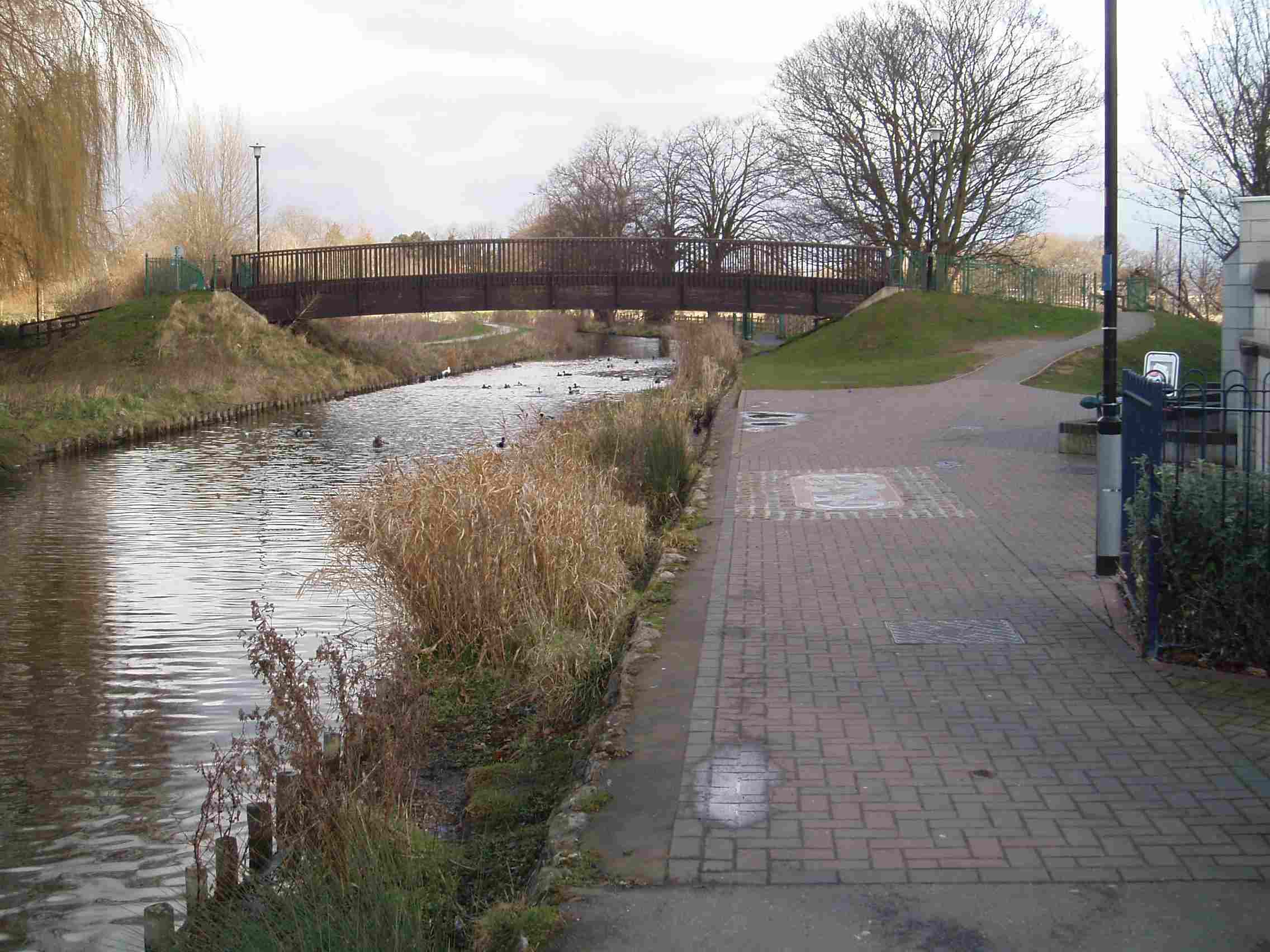
The old river Slea branches off right over a weir. It rejoins below Cobblers lock.
0.5 miles – Cogglesford watermill
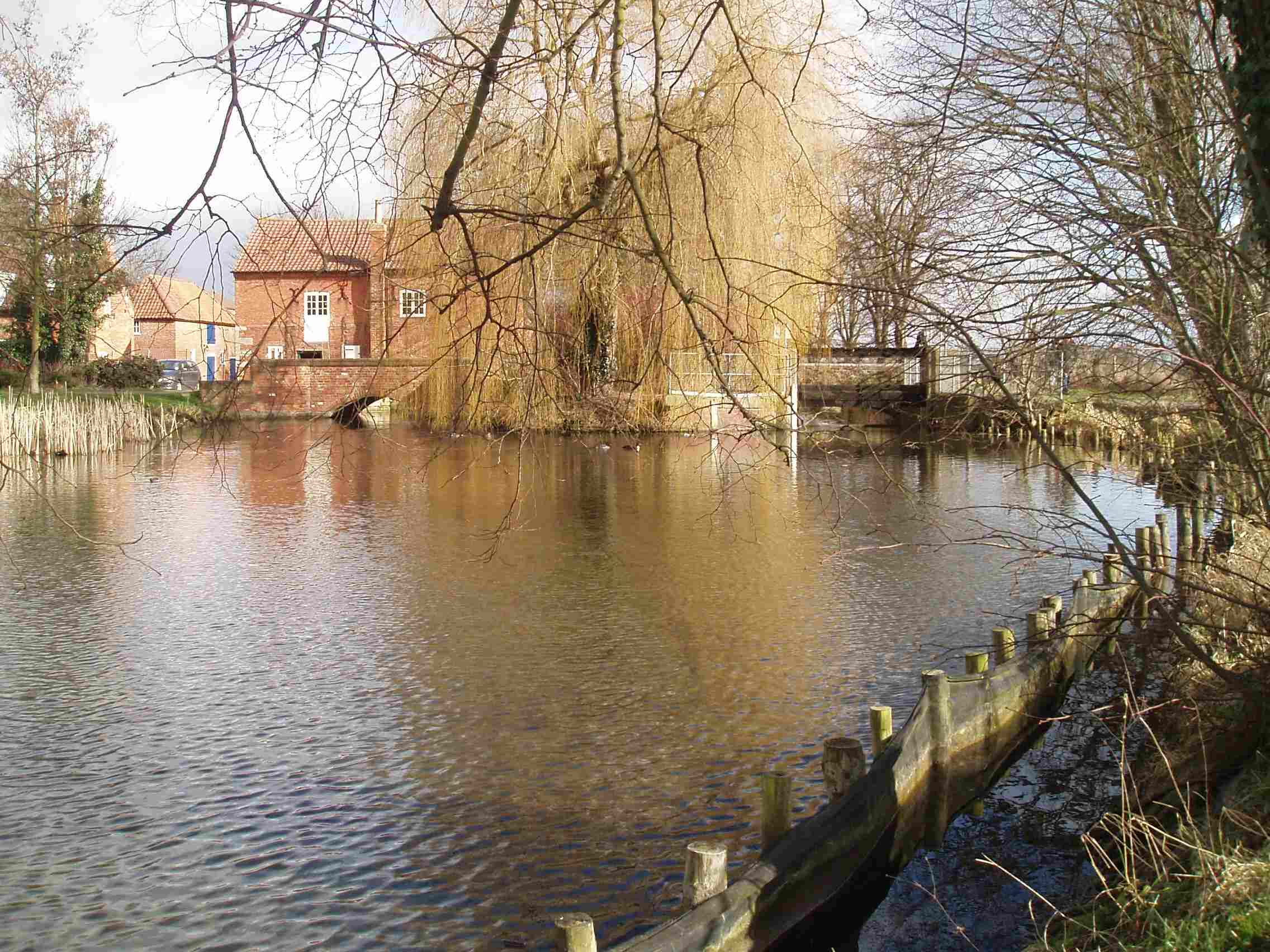
Open to the public and sometimes working. Enclosed undershot wheel.
Land left, carry over bridge and launch right
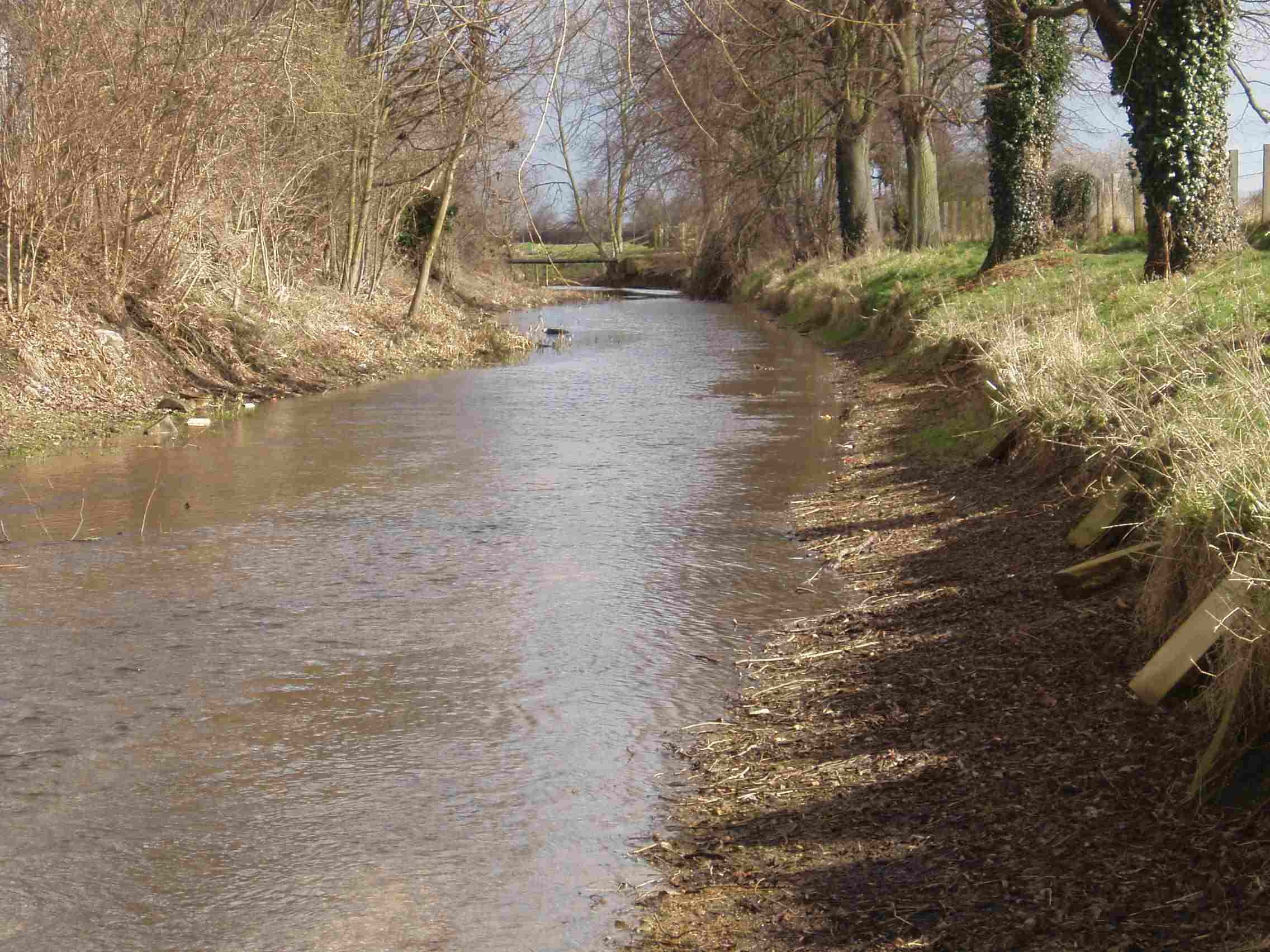
0.6 miles – two pipes
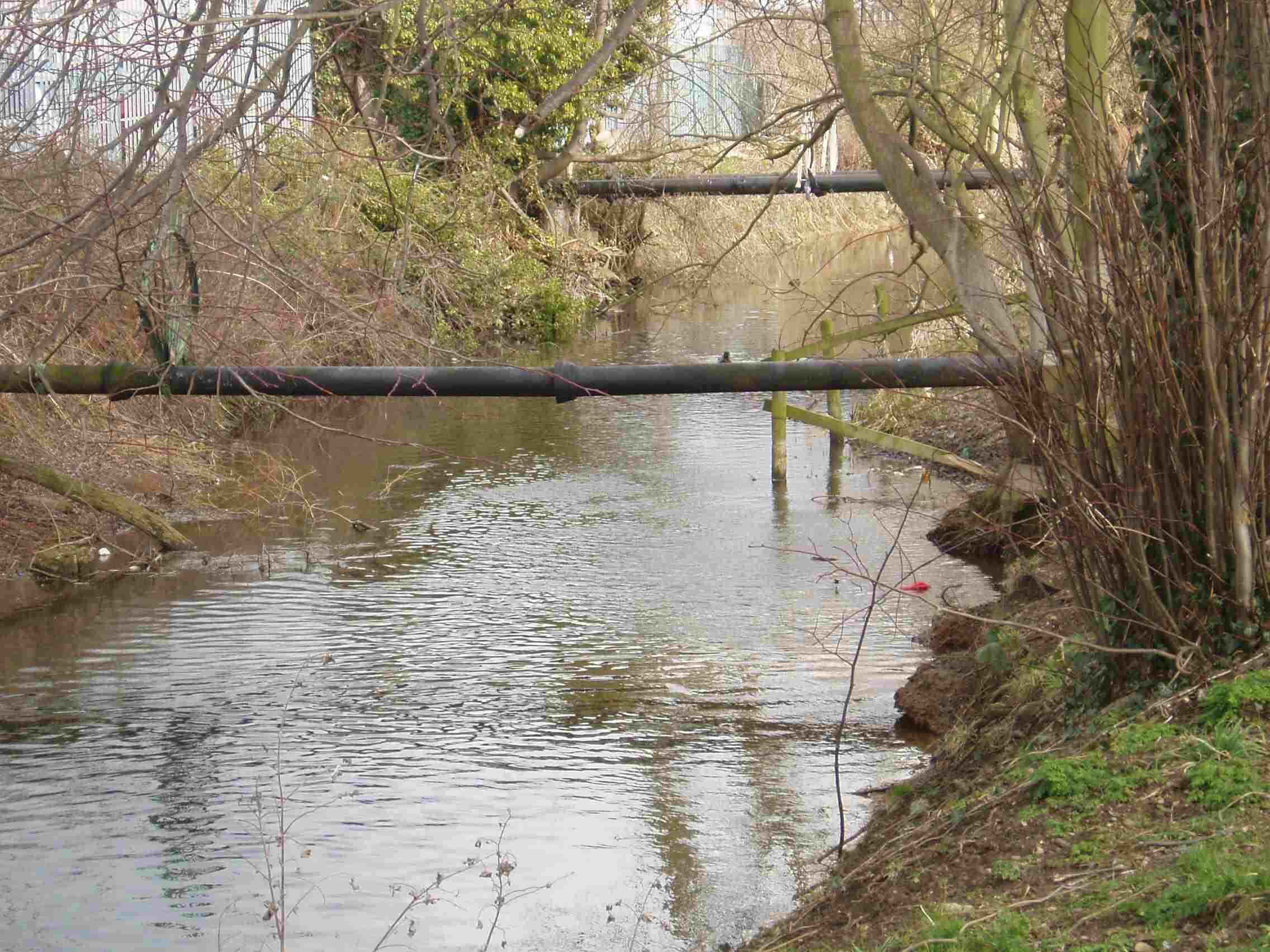
1 mile – railway bridge
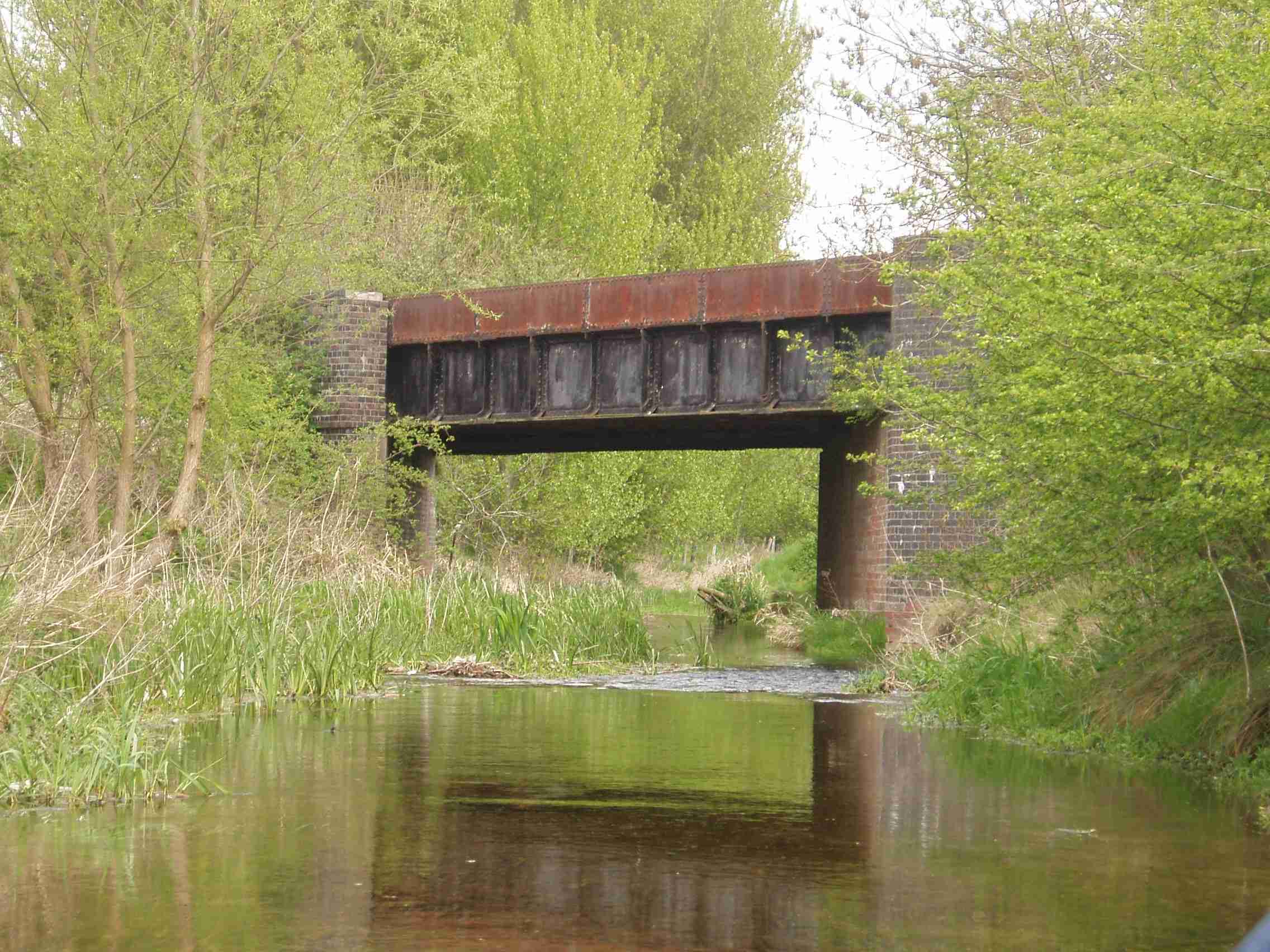
1.5 miles – Bone Lock and A 17 Sleaford bypass bridge
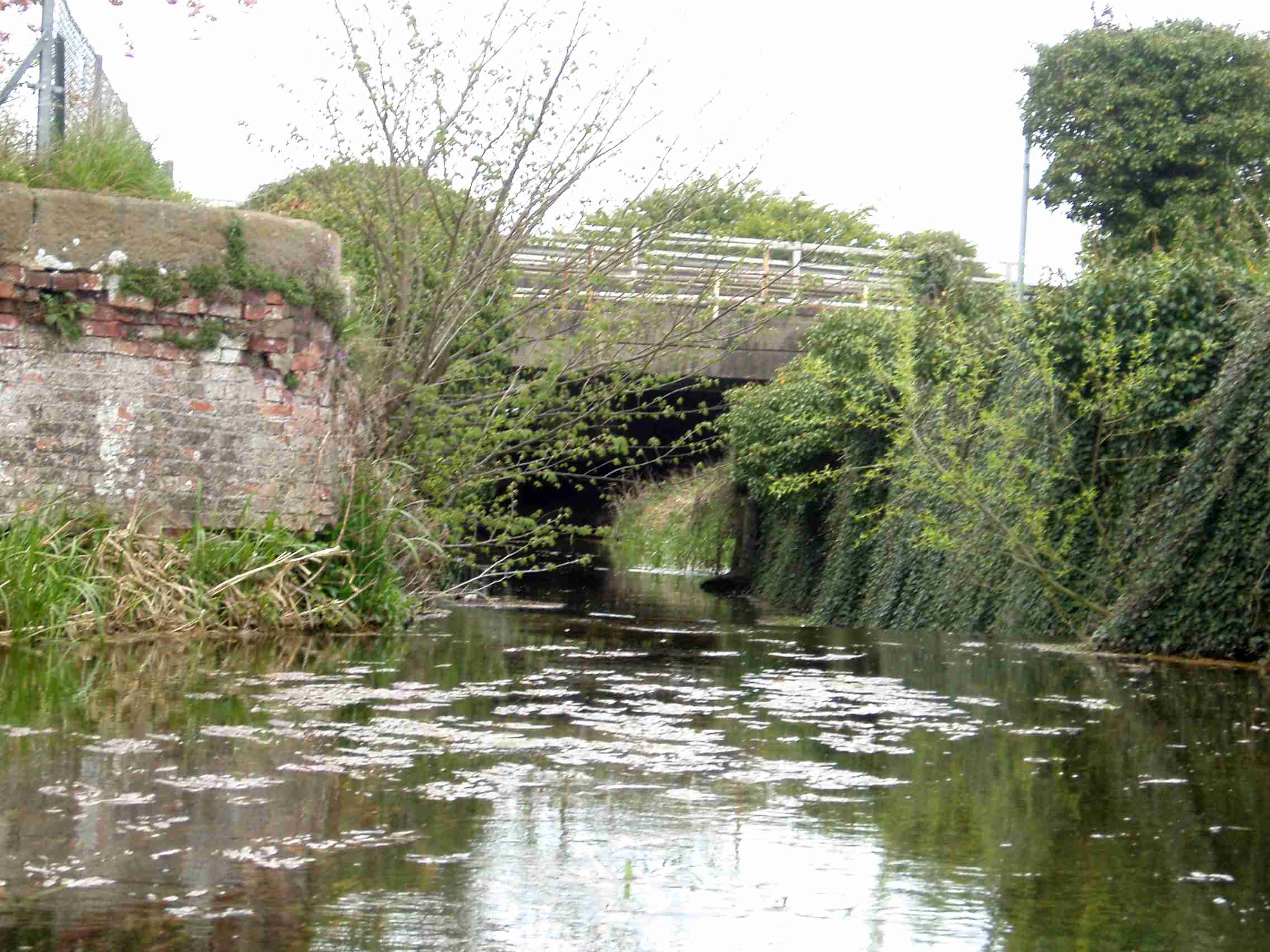
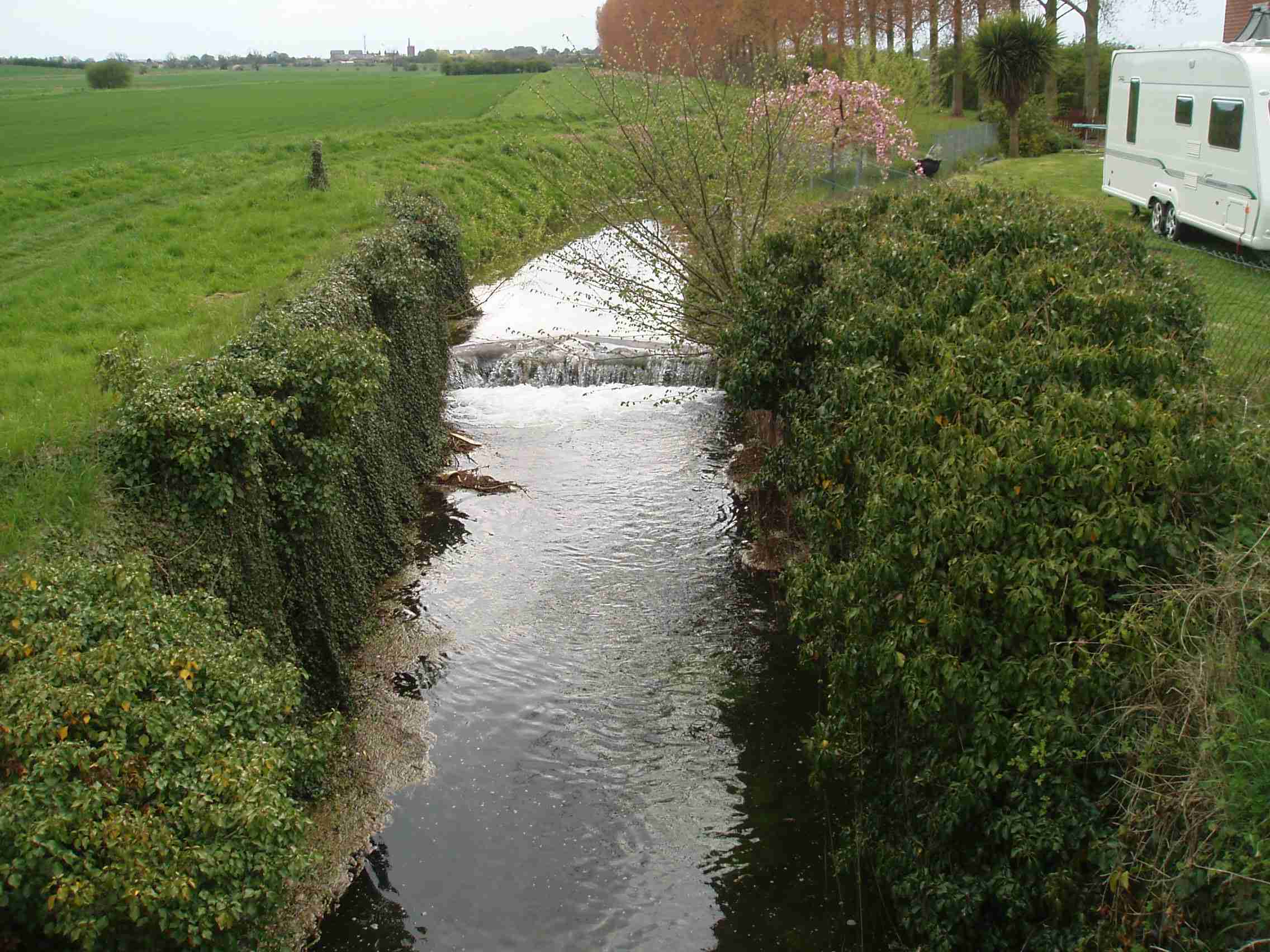
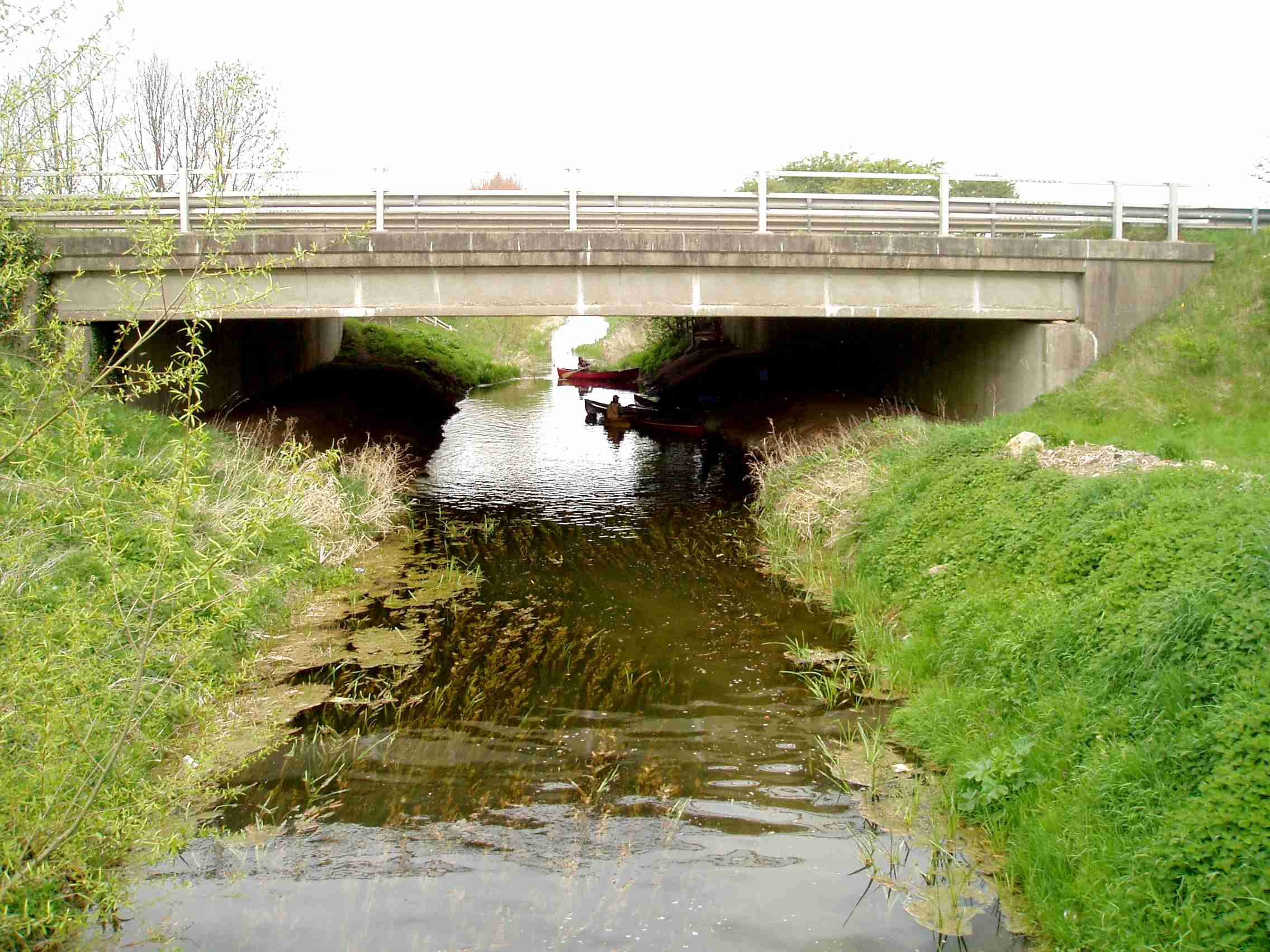
Portage right.
2 miles – Corn mill lock (remains) and footbridge. Holdingham flour mill left.
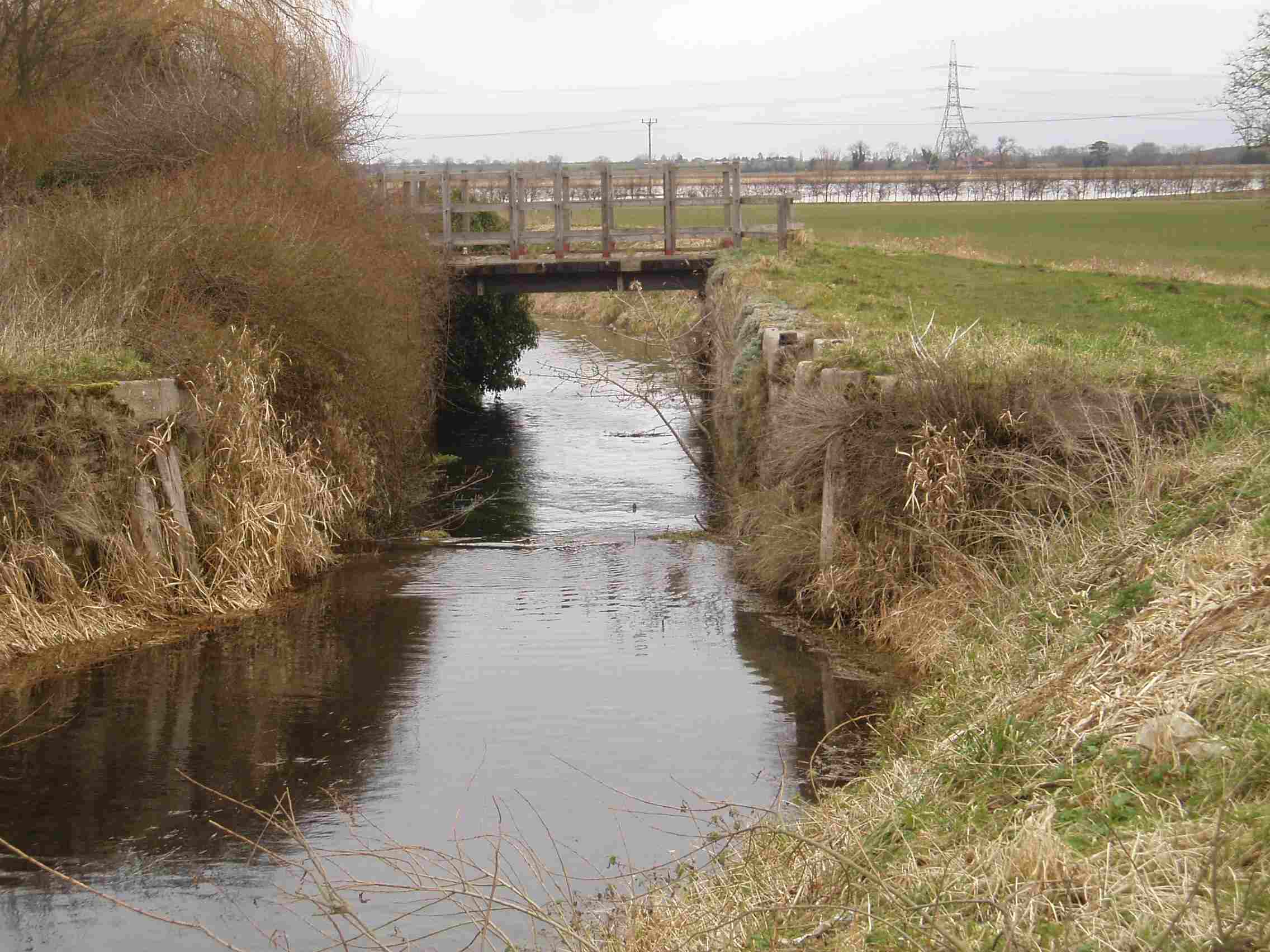
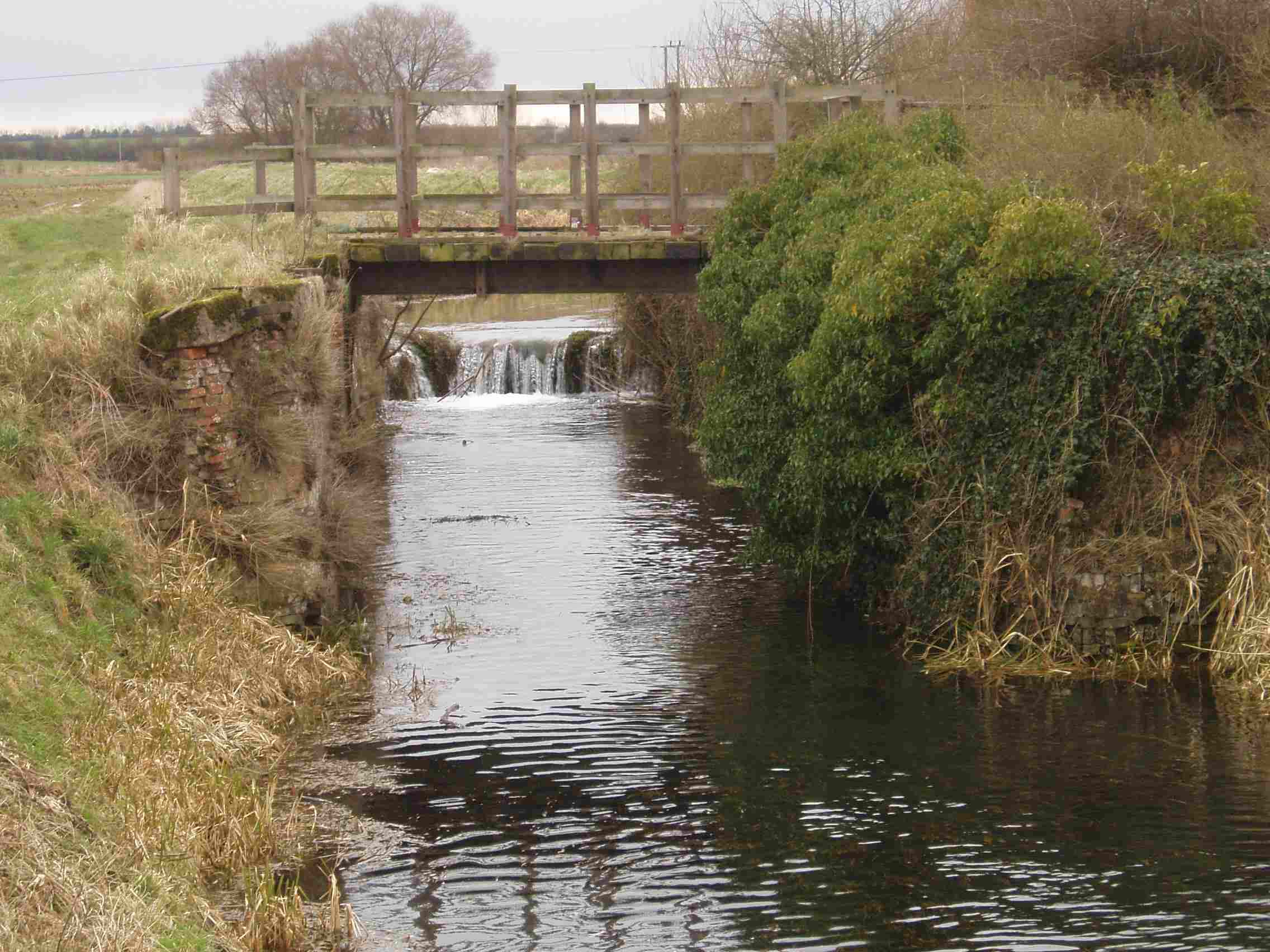
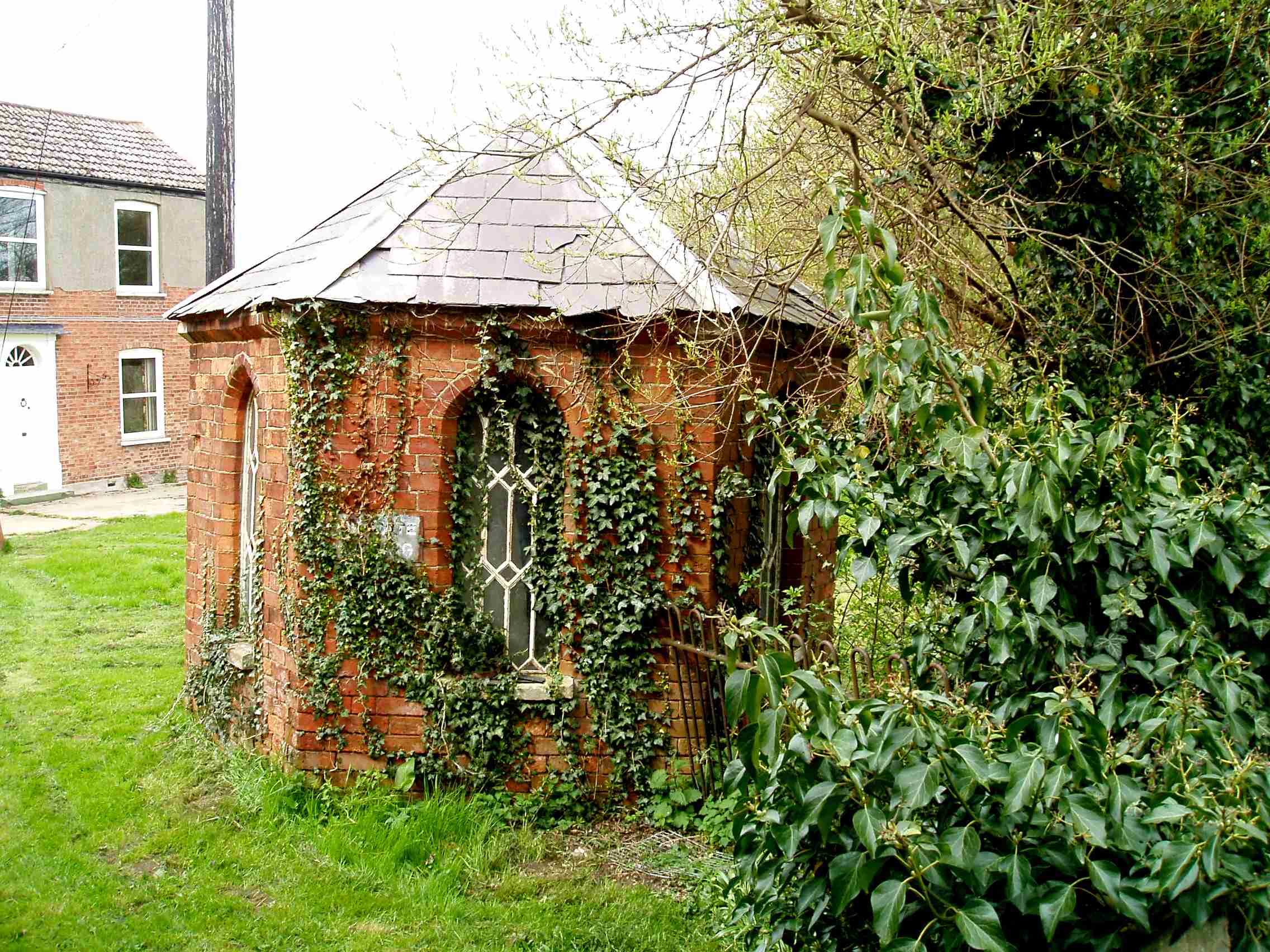
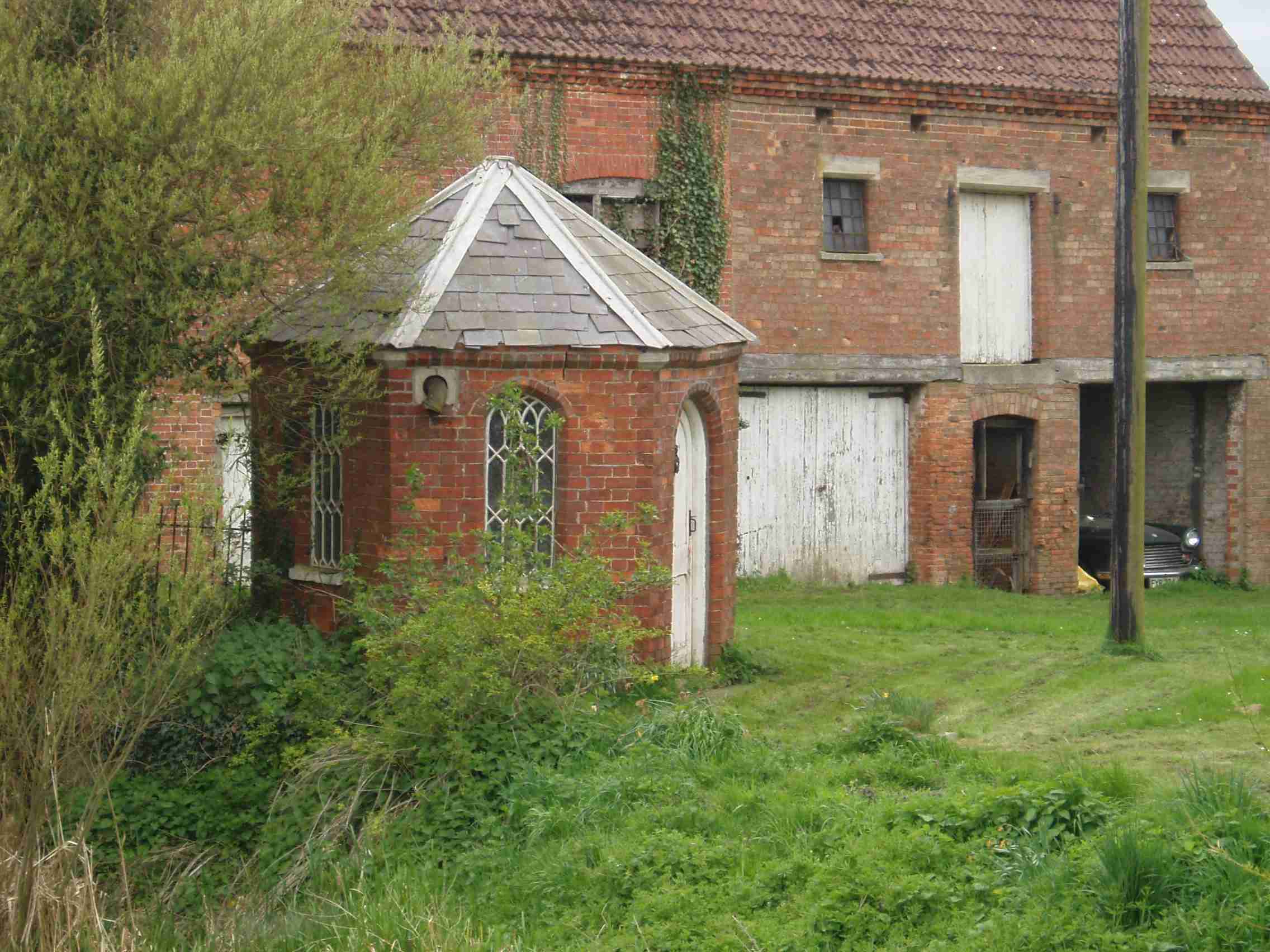
Portage right. Over the wooden bridge is the old flour mill and the hexagonal Navigations Toll Collection Office.
Look out for the naked woman on the left bank.

2.25 miles – Paper mill lock and road bridge (Also called Leasingham mill)
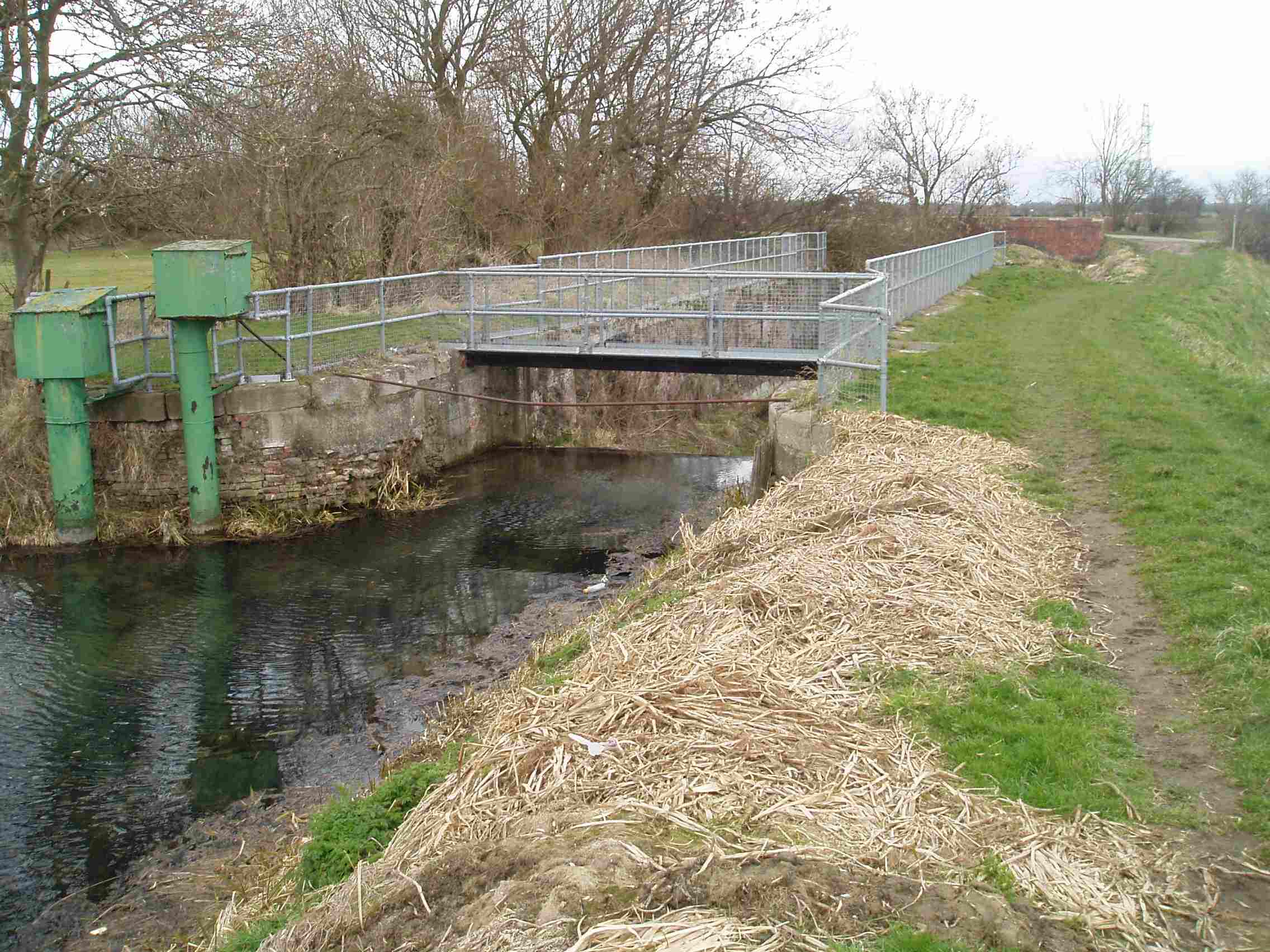
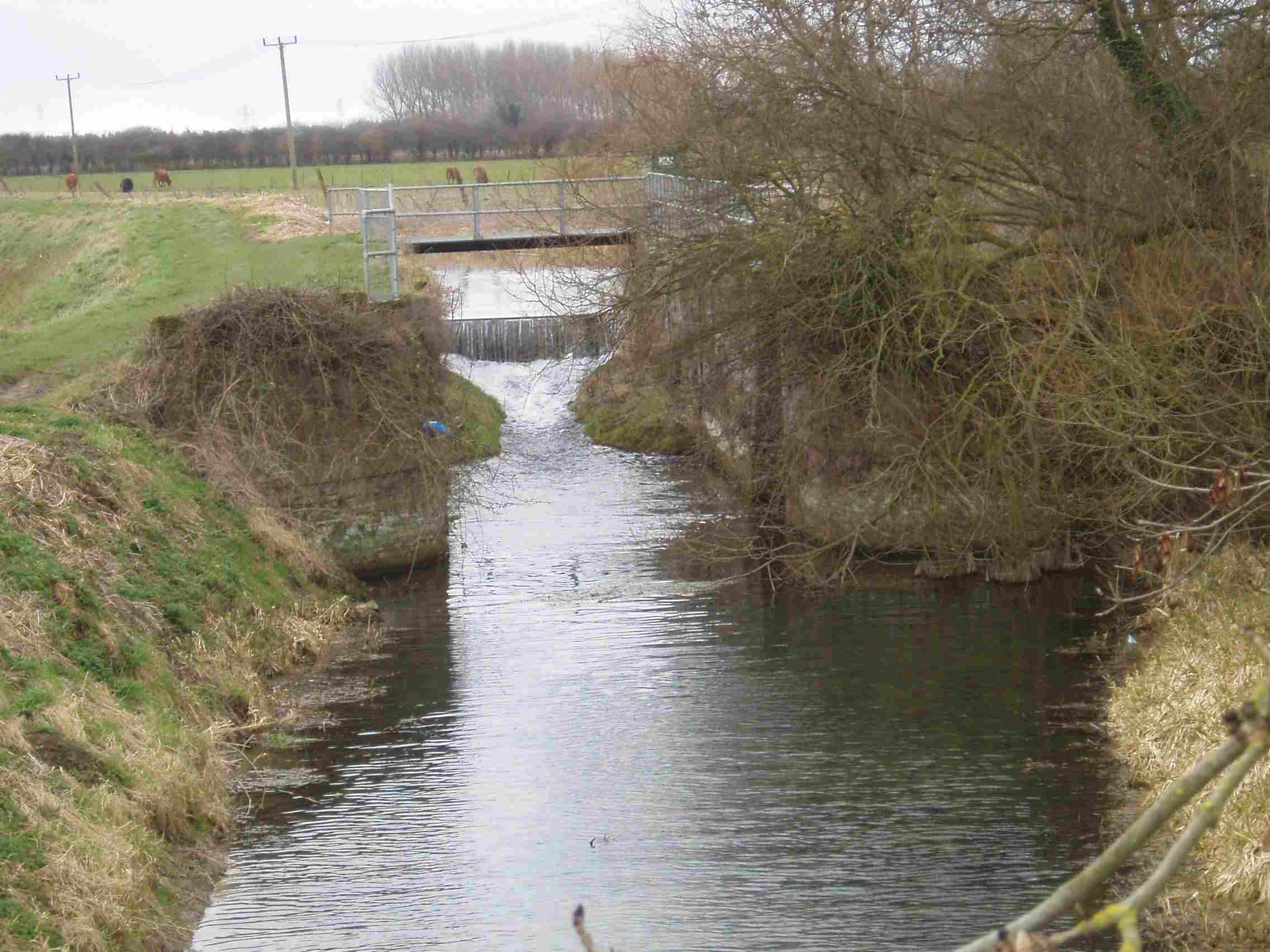
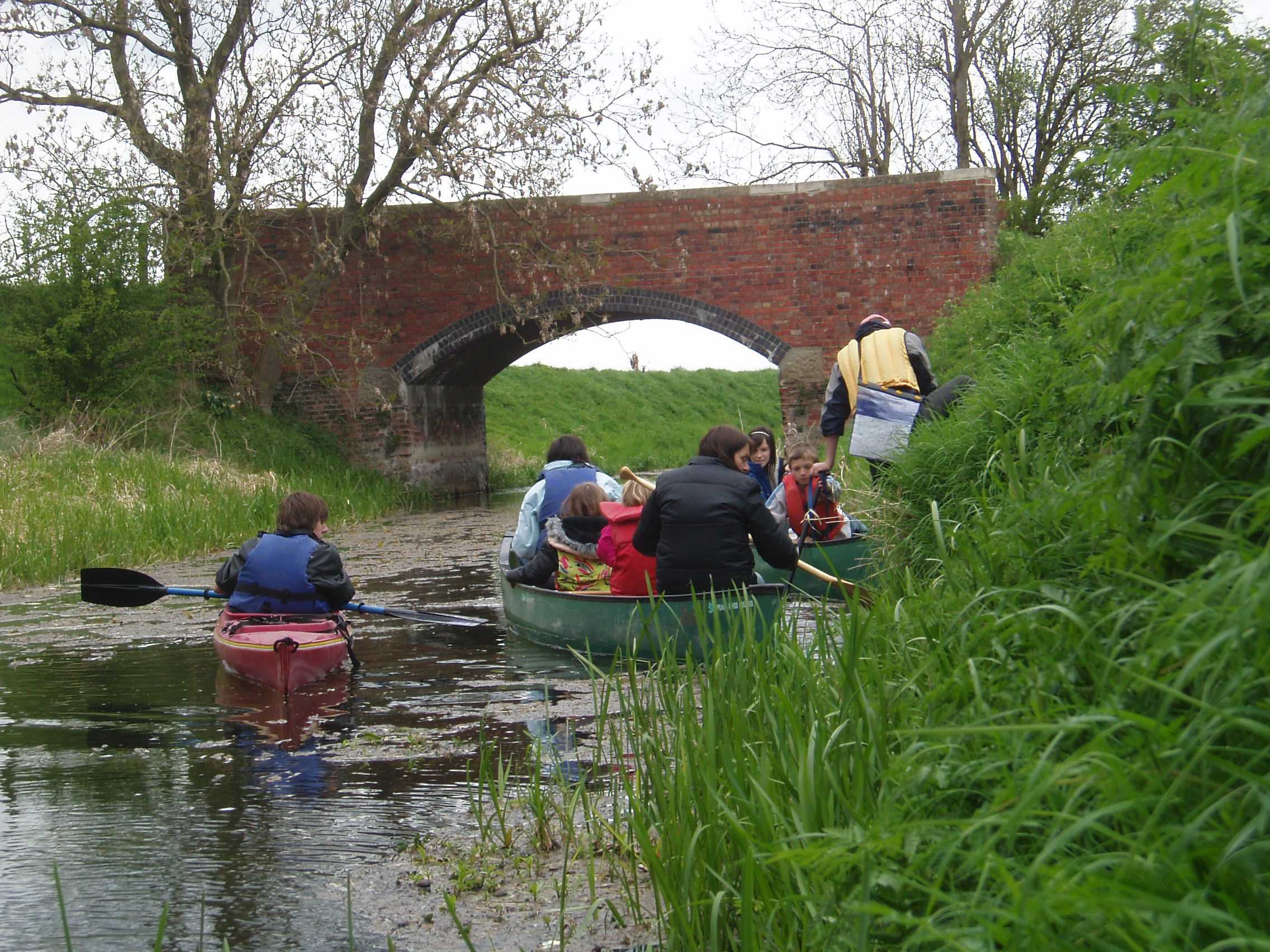
Portage right
2.8 miles – bridge

3 miles. Channel enters woodland.
3.3 miles – Haverholme Lock
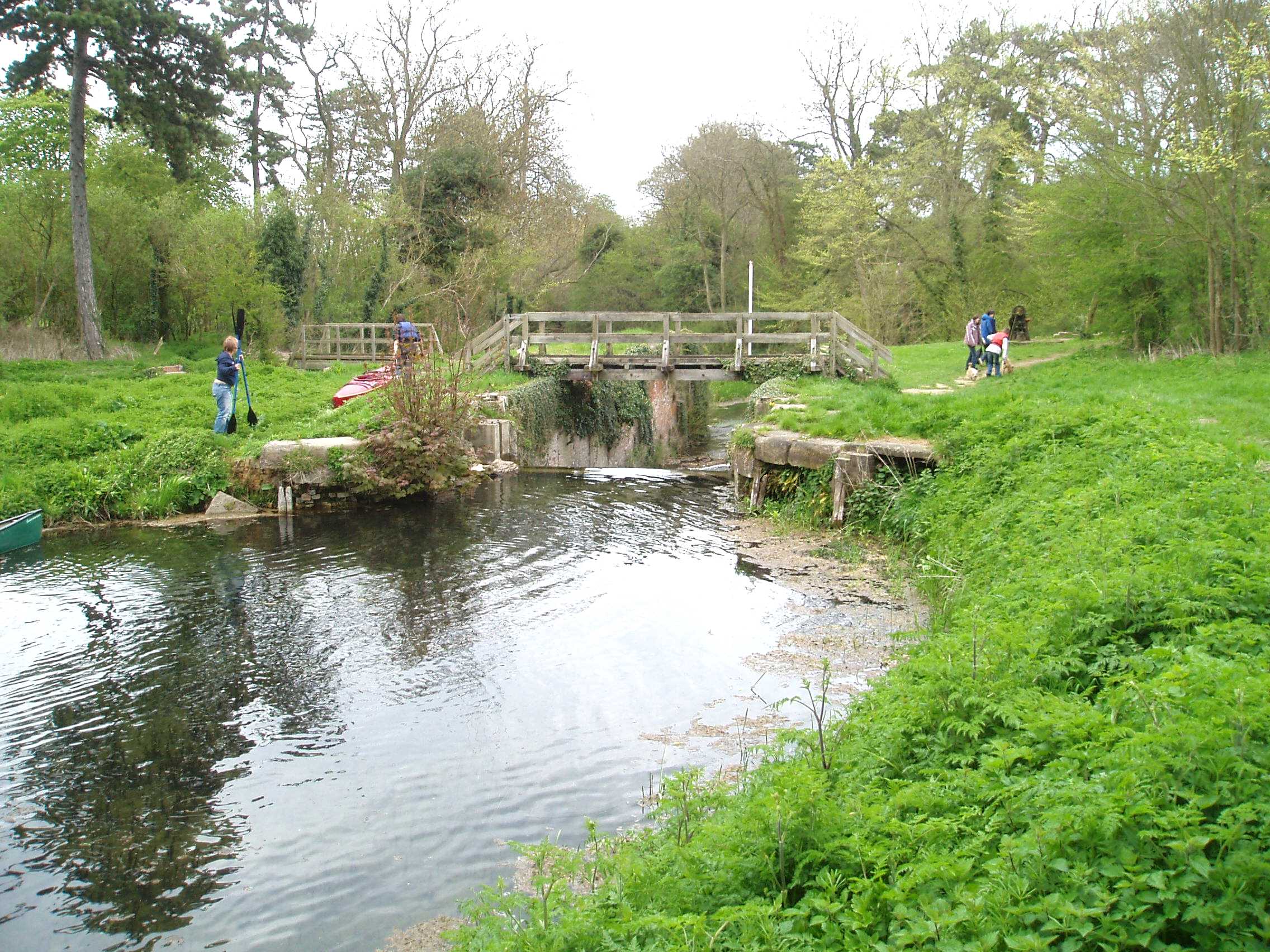
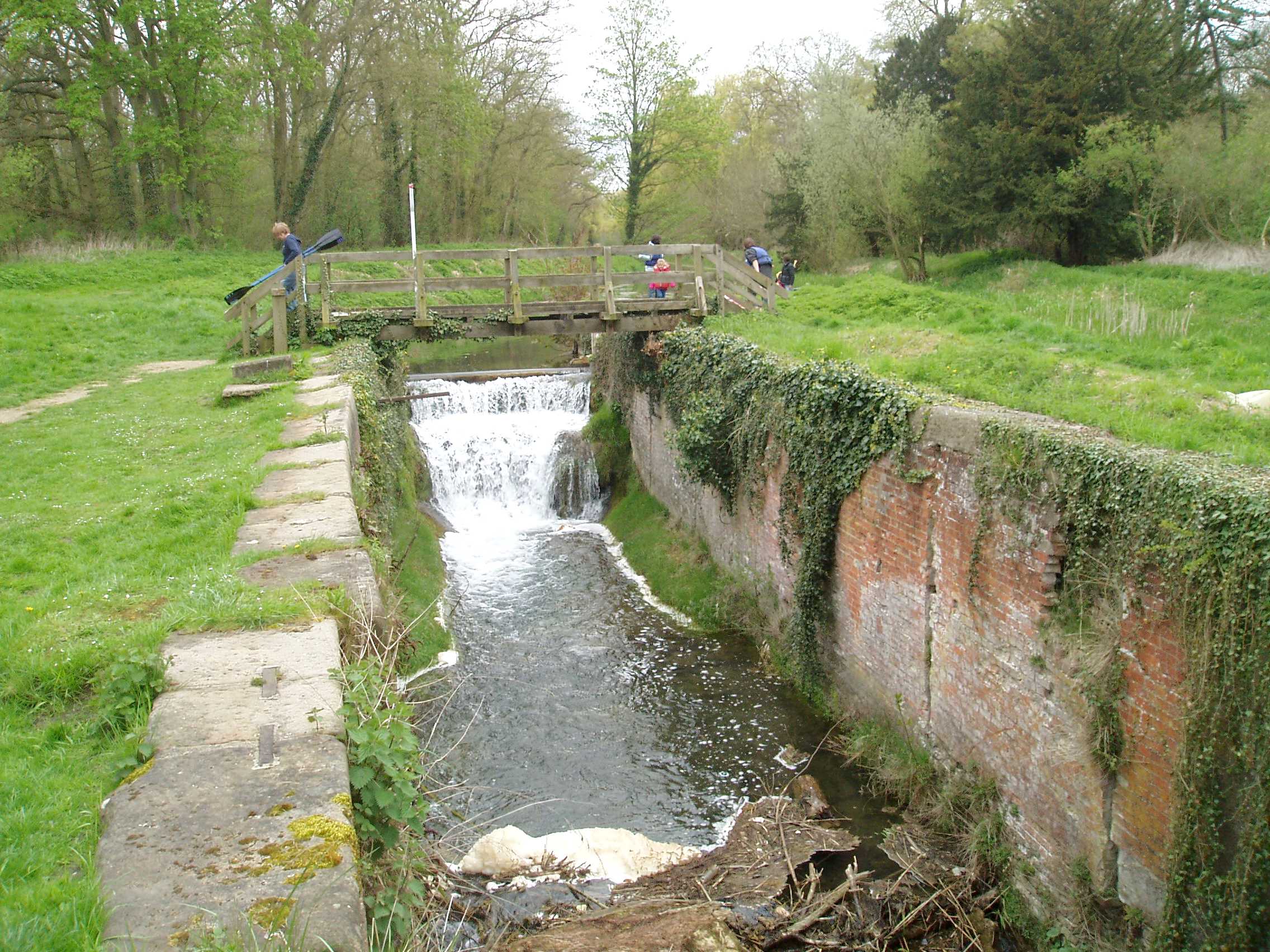
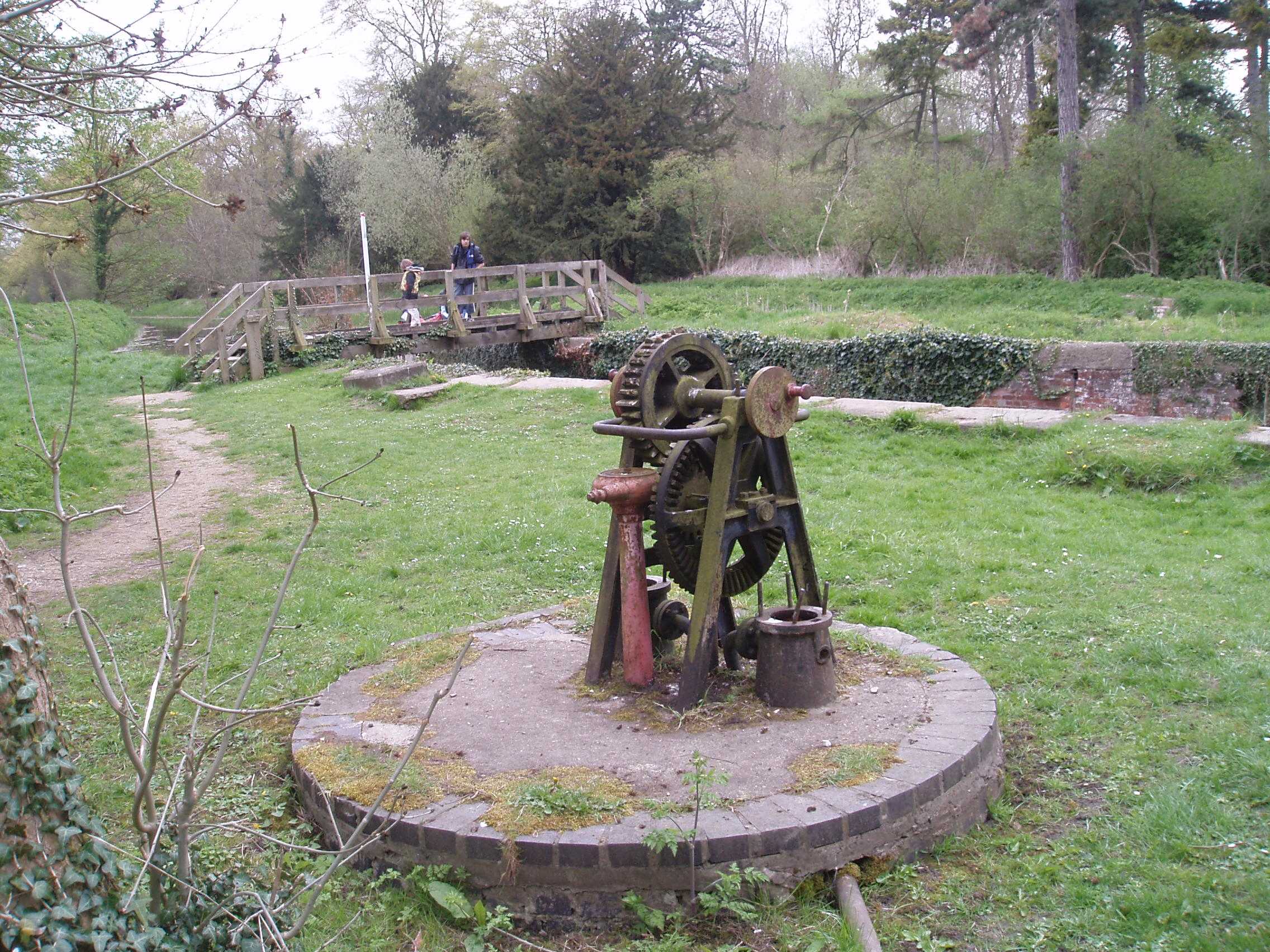
Footbridge
3.5 miles – Haverholme Priory bridge 1893
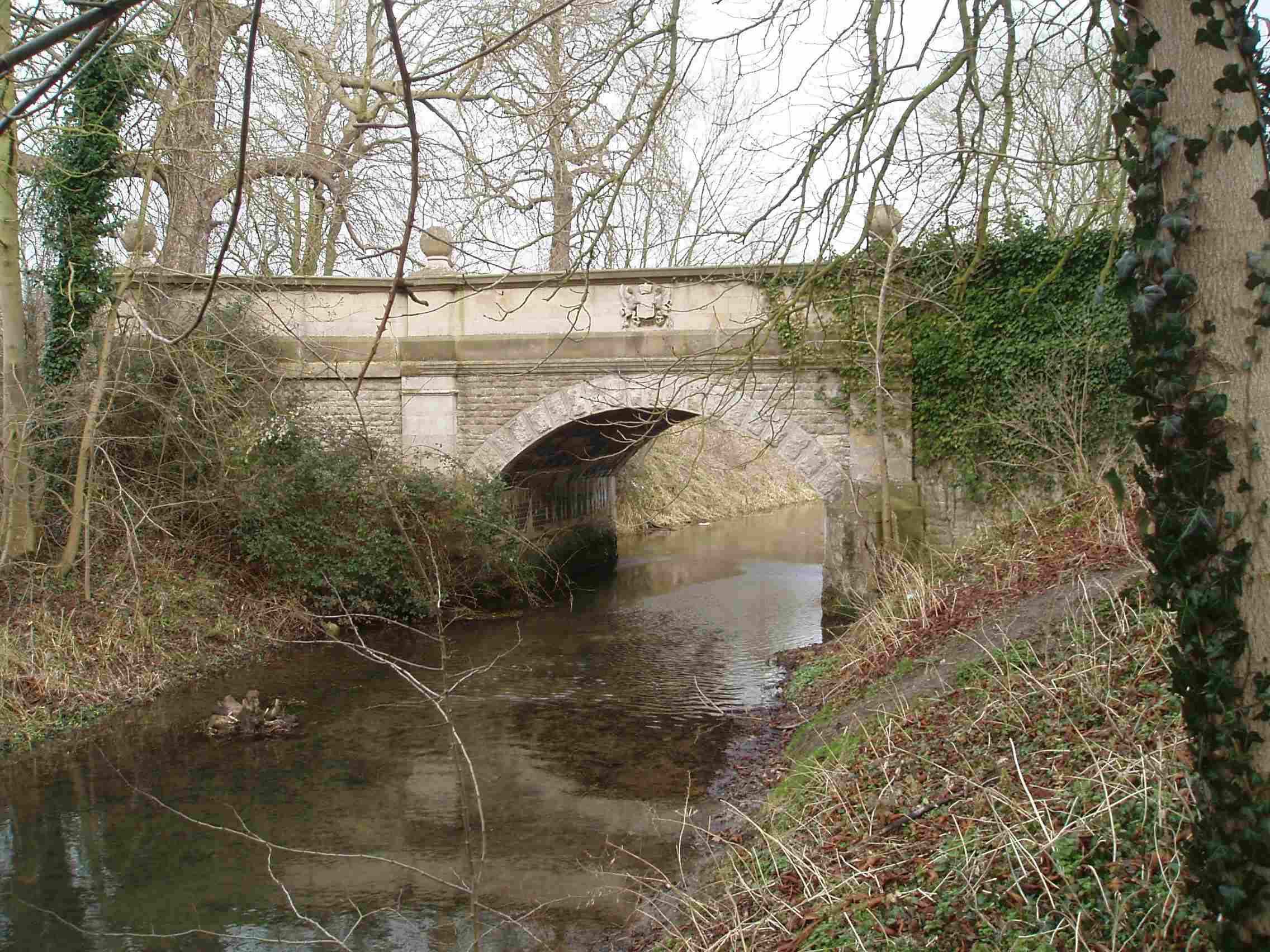
Towpath left but access right. Car park. The day I visited a crowd of “twitchers” had their cameras pointed at a pair of Hawfinches nesting in a tree next to the Priory. Apparently rare locally, although a regular at Clumber Park in Notts.
Stream enters left.
3.8 miles – Pipe bridge

Nicely raised to allow boats to pass when the navigation is restored.
The river widens out and becomes deep enough to be paddled in normal conditions for the rest of its length.
4.8 miles – Arnwick
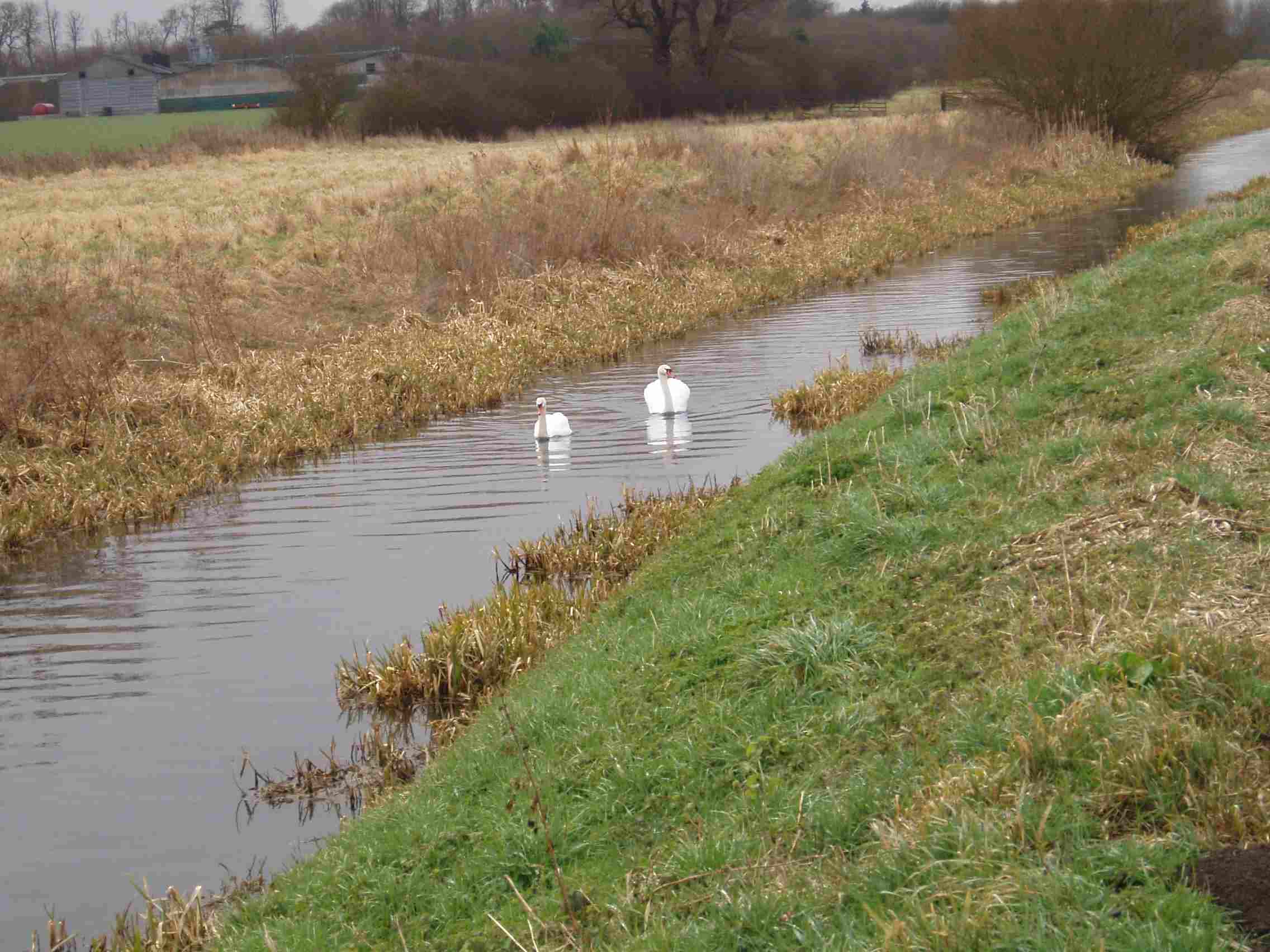
Access left. Land about 100 yards after the four tall concrete structures.
5 miles – Cobblers Lock
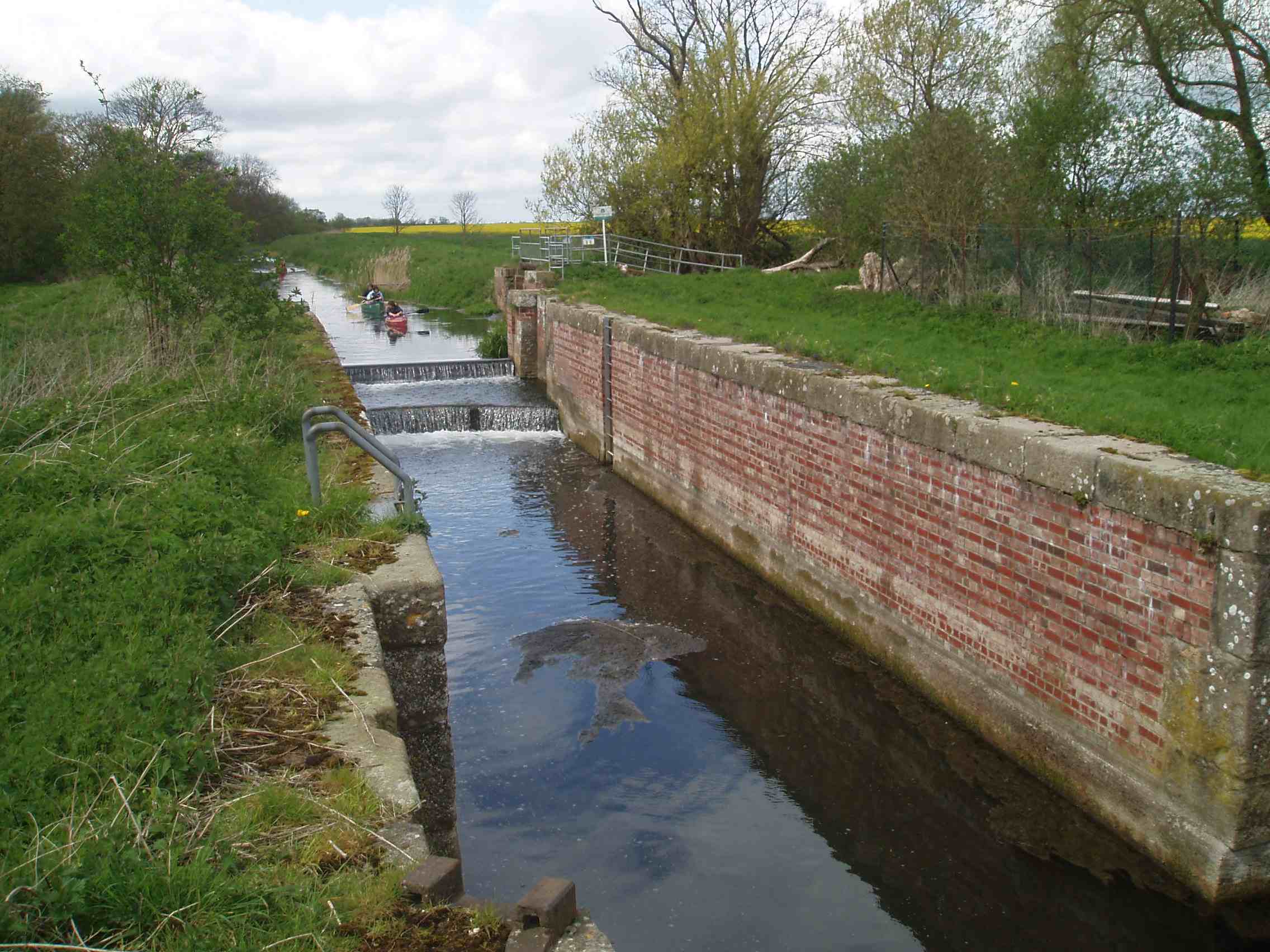
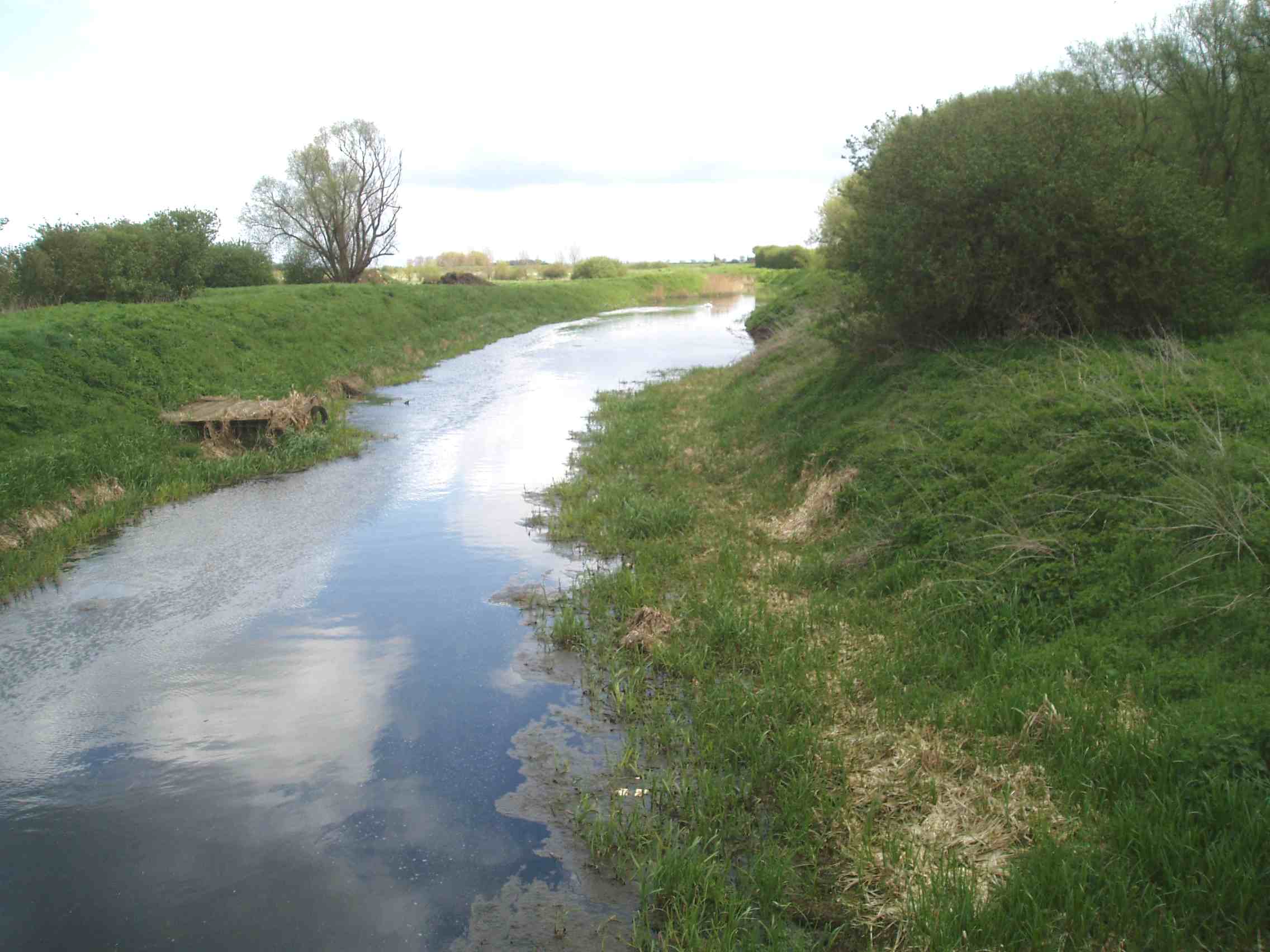
Portage left or line down. This lock is being restored, although there wasn’t much activity when we paddled through in April 2006. Landing stage below the lock.
The Old River Slea which left the navigation above Cogglesford rejoins right below the lock.
7.2 miles – Ferry Farm corner

Sharp right turn. The river name changes to the Kyme Eau here. The next section is part of an old Roman canal which ran from Waterbeach to Lincoln, the Car Dyke.
8 miles – metal farm bridge
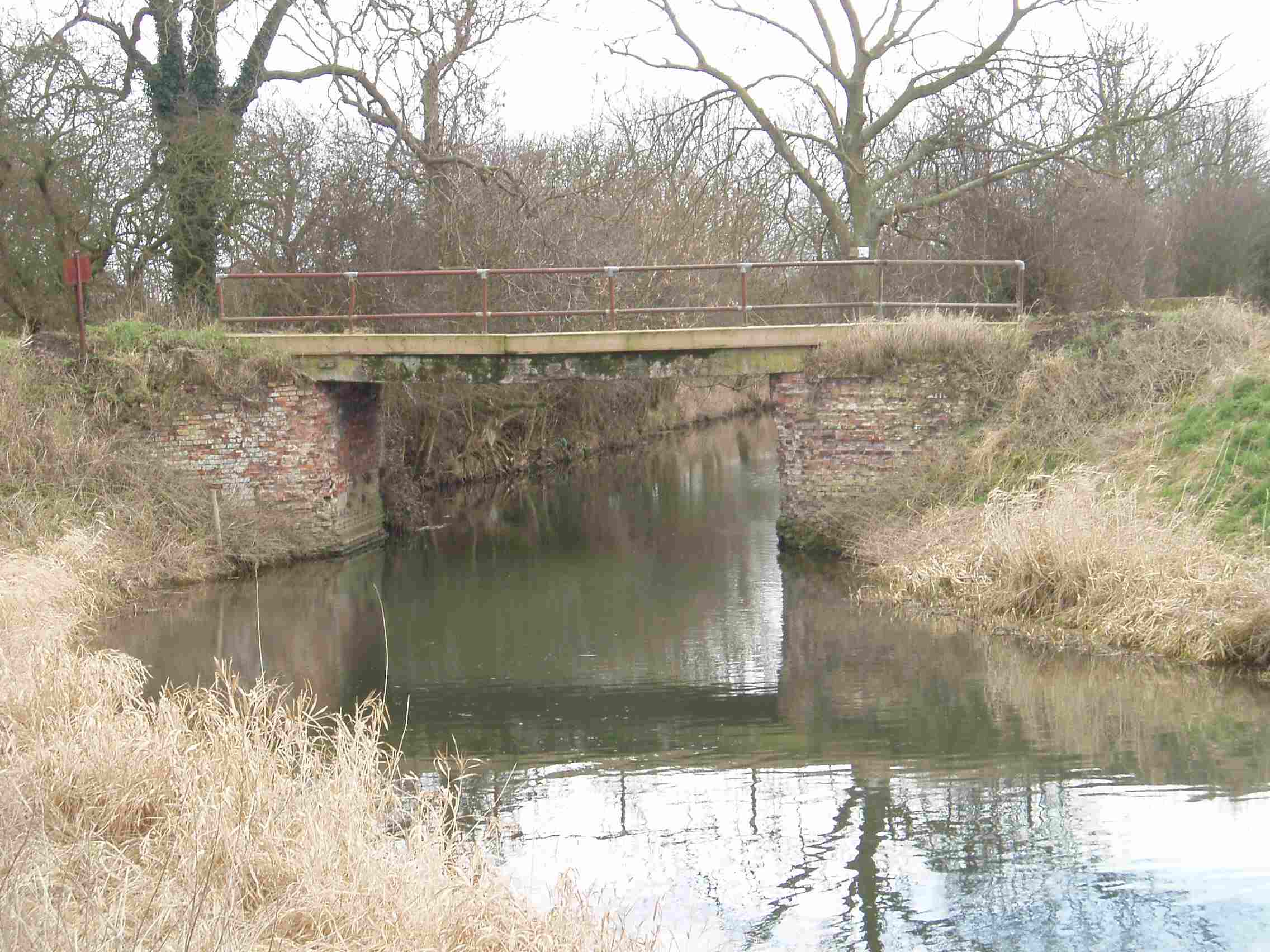
8.4 miles – Farm bridge on the outskirts of South Kyme
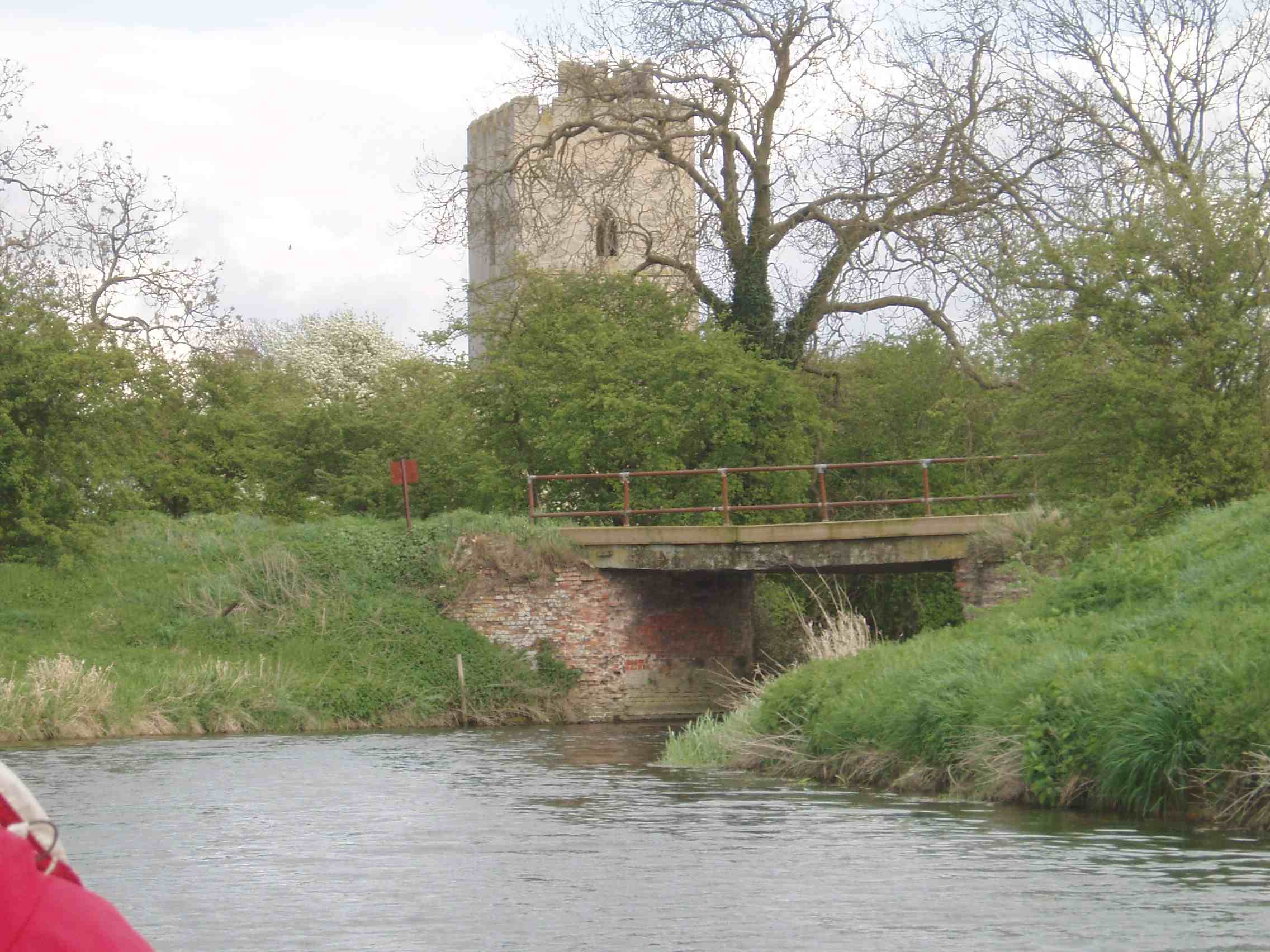
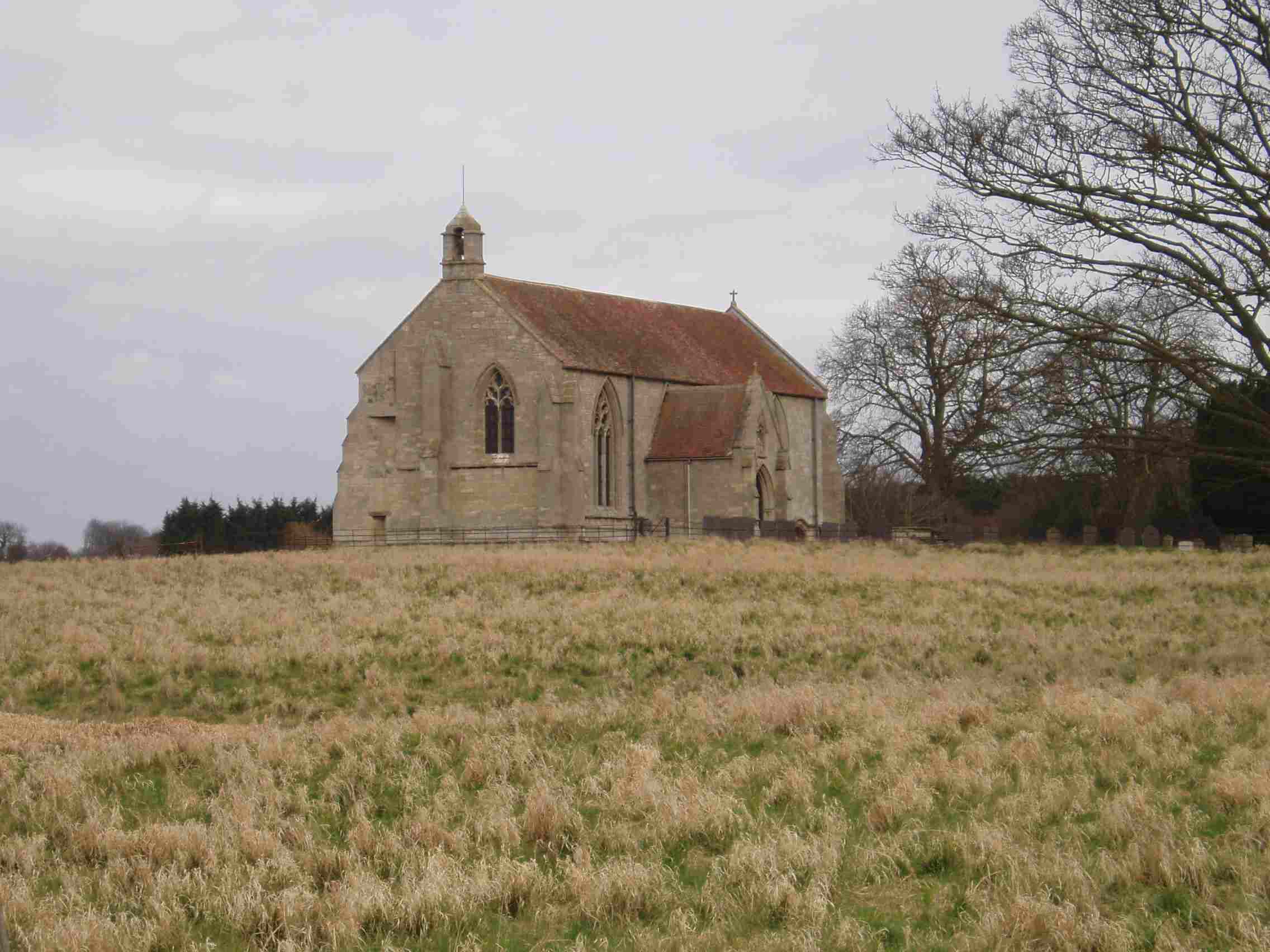
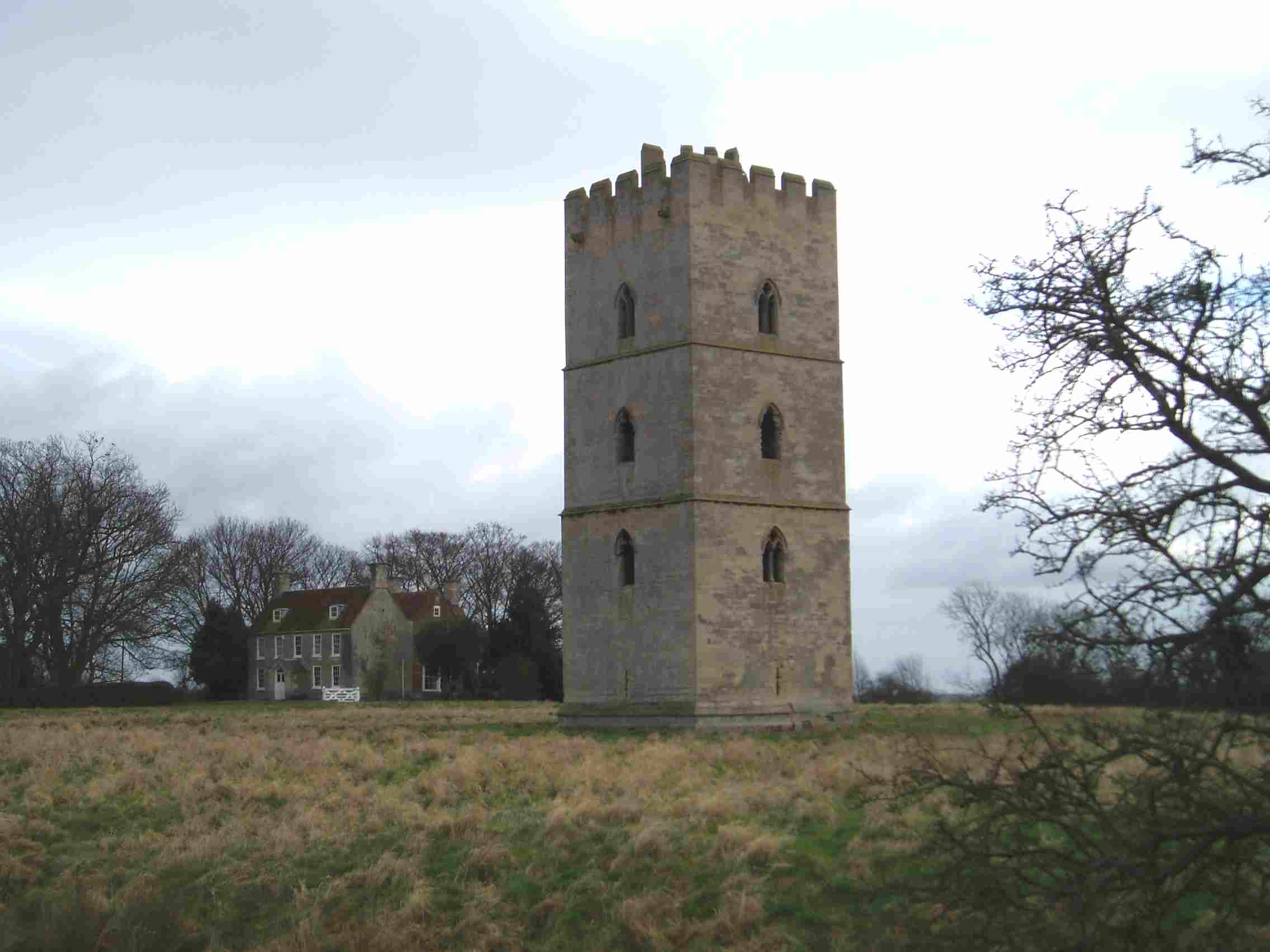
South Kyme church and separate tower left. The tower was built in the 1350s by Gilbert de Umfraville. Originally four towers formed a substantial castle but only one remains.
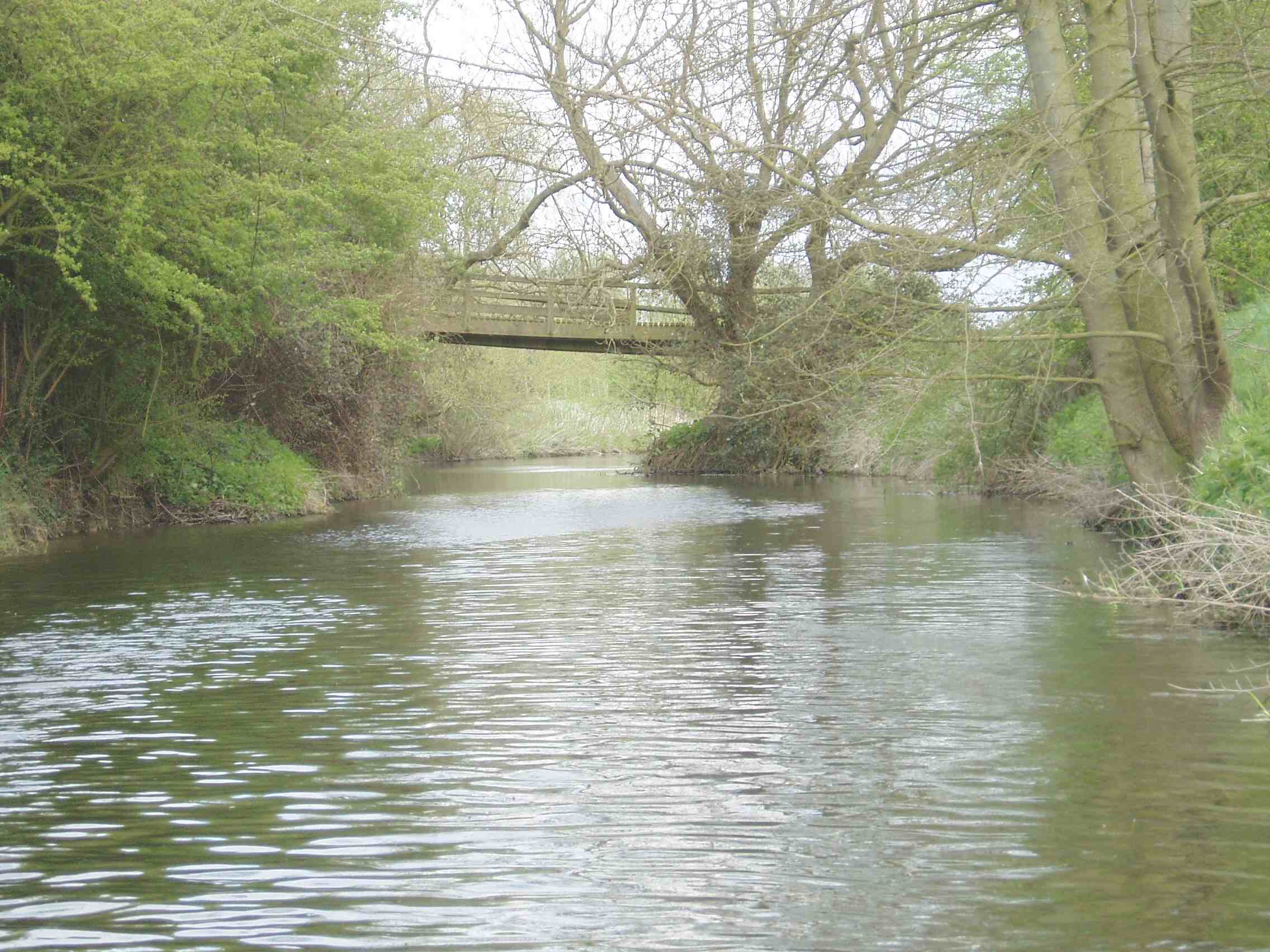
Rickety bridge
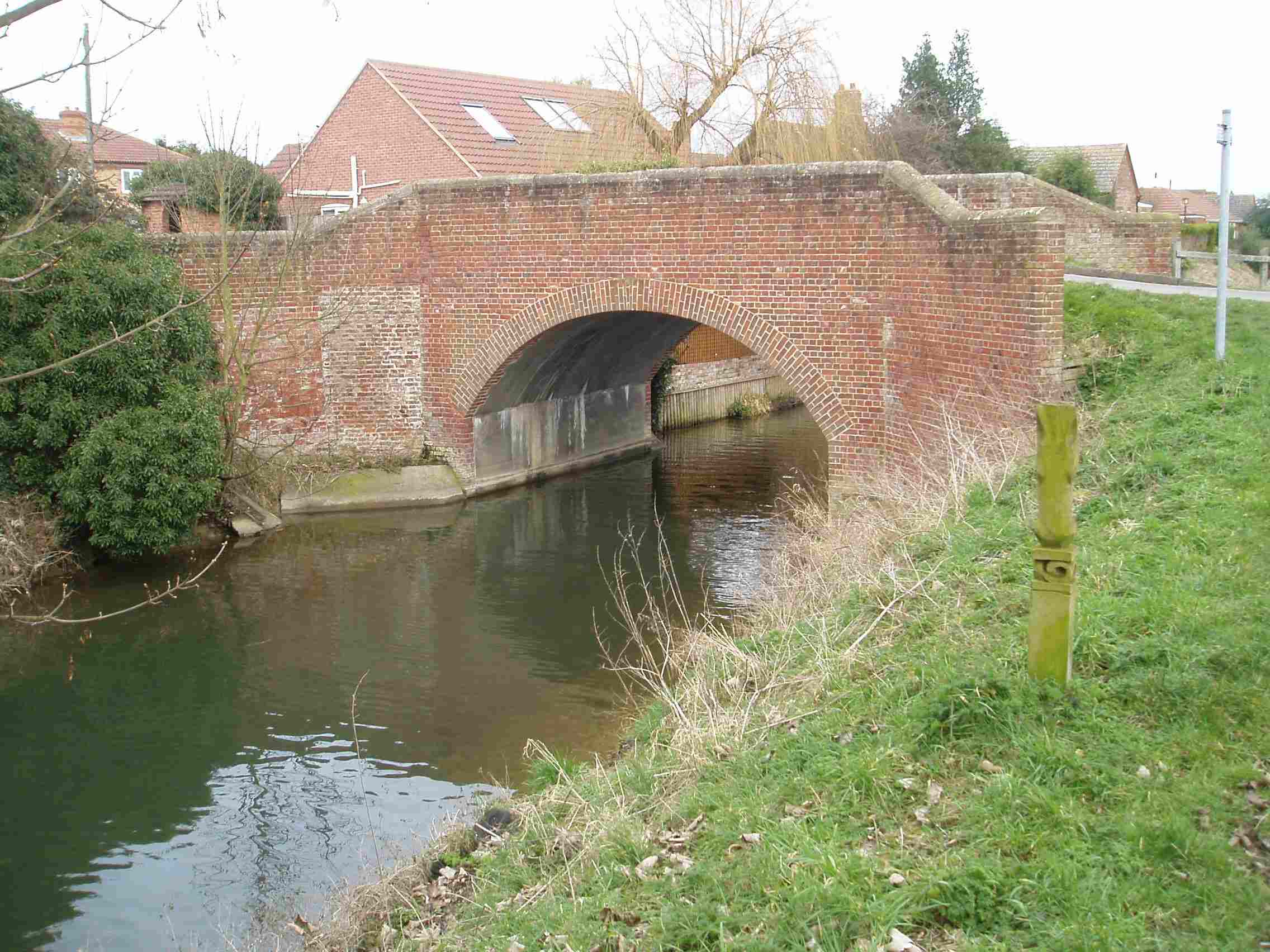
9 miles – South Kyme bridge

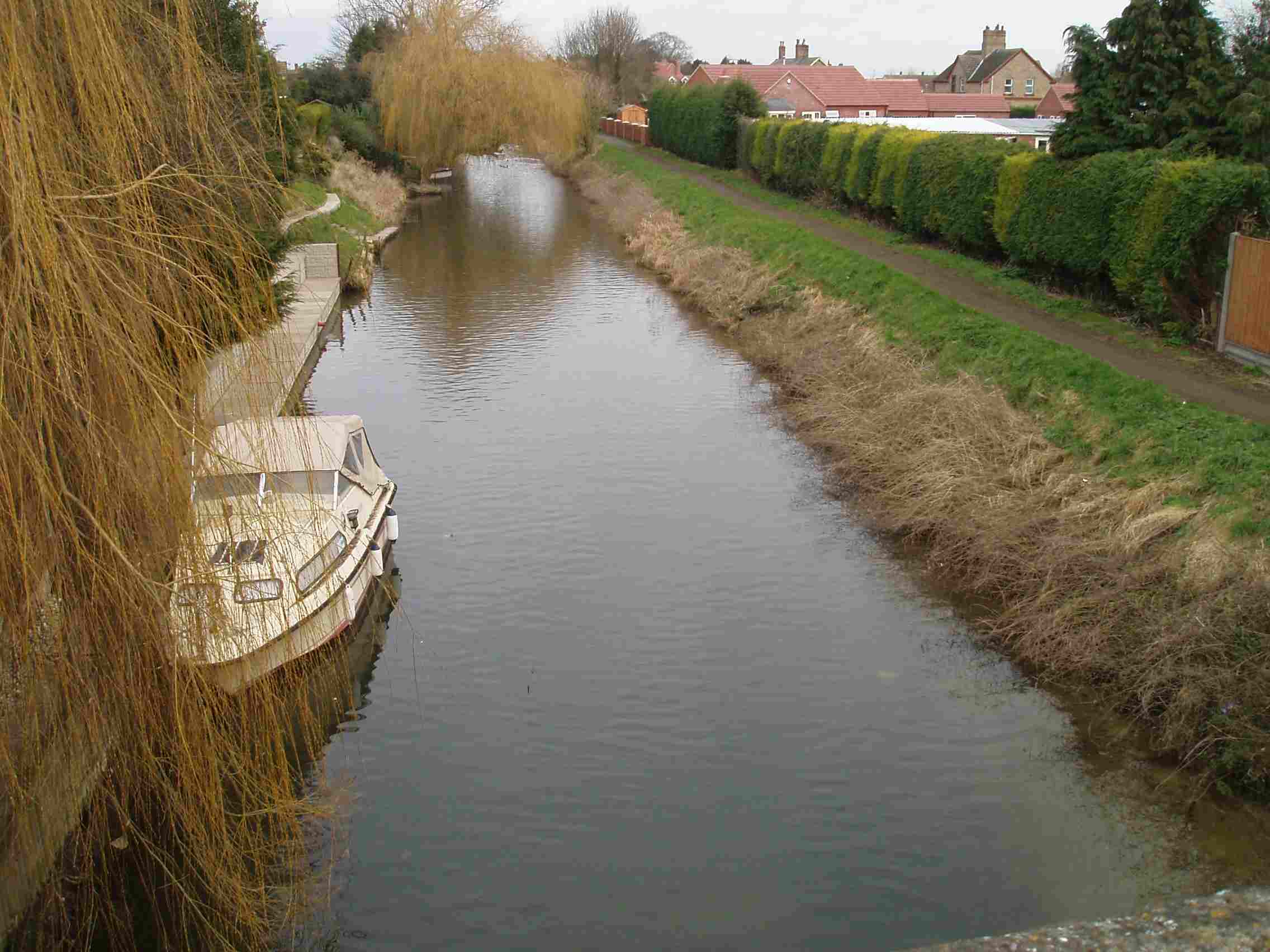
The Hume Arms left has now closed. But the word is that a restaurant will be opening on the same site later in 2006. South Kyme is a lovely village.
9.3 miles – B1395 bridge
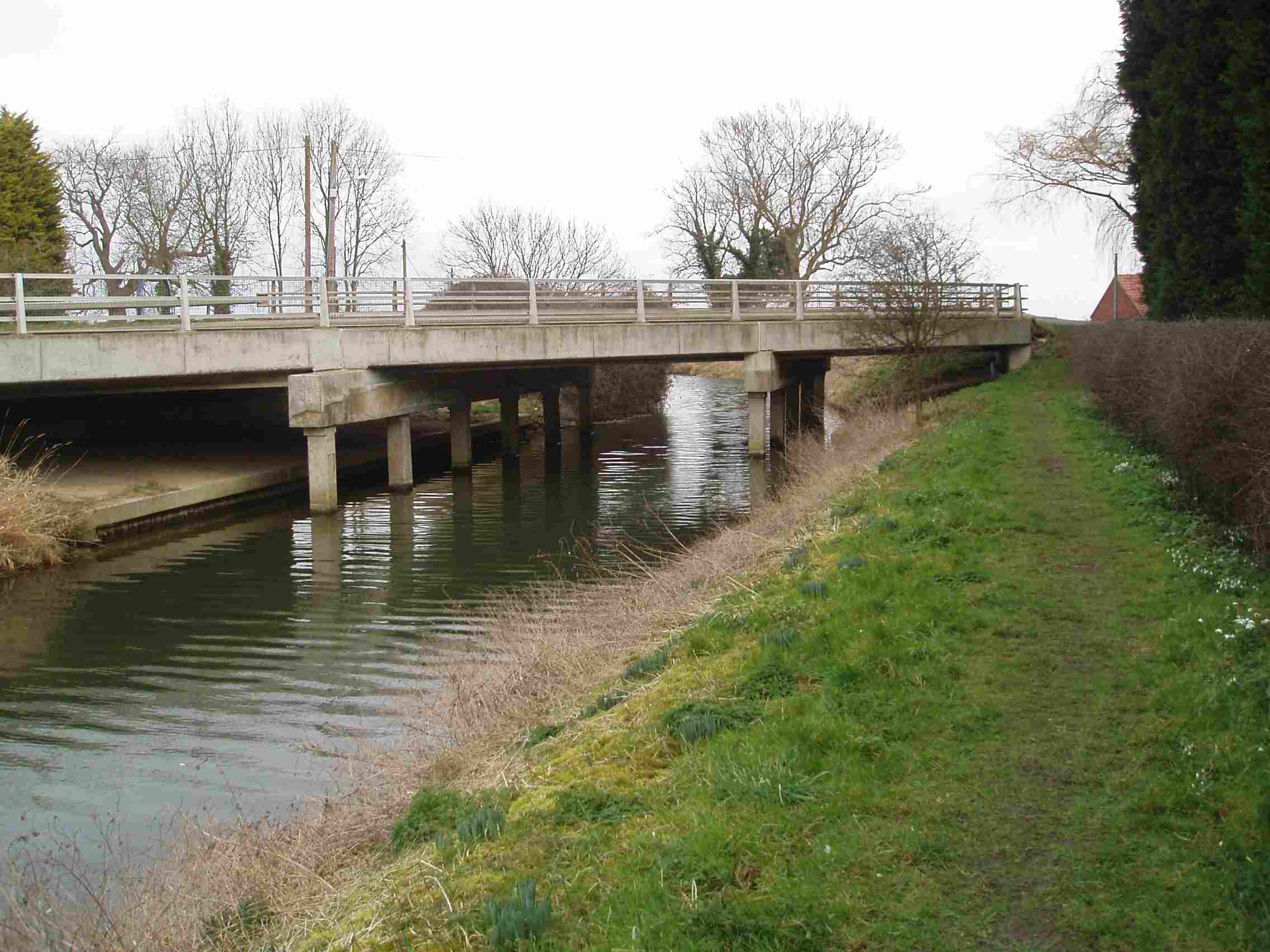

The river turns northwards. High embankments in open farmland.
11 miles – Lower Kyme Lock
Restored with a guillotine gate at its upstream end.
12 miles – Bridge Farm bridge
13 miles – Chapel Hill bridge
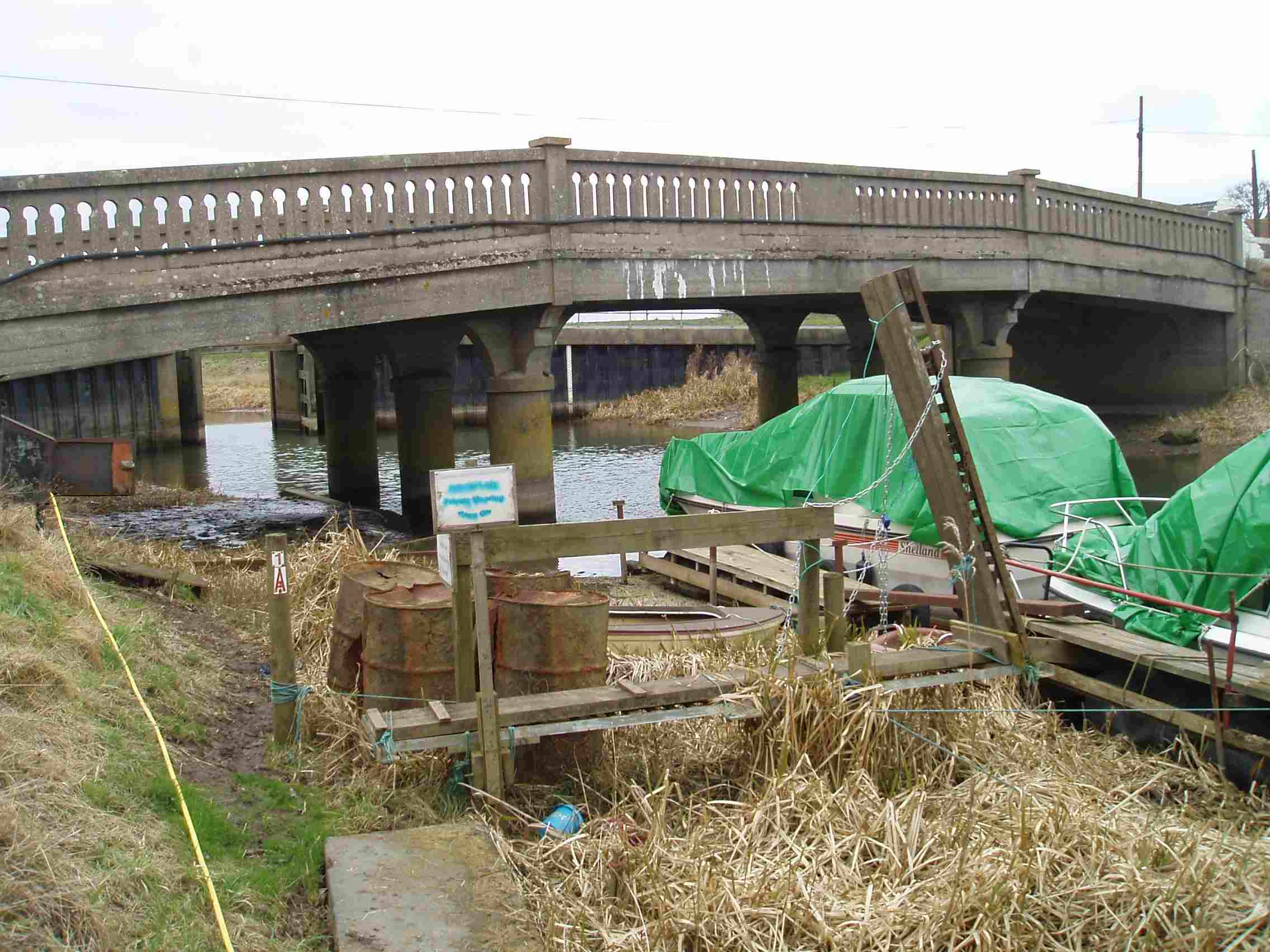
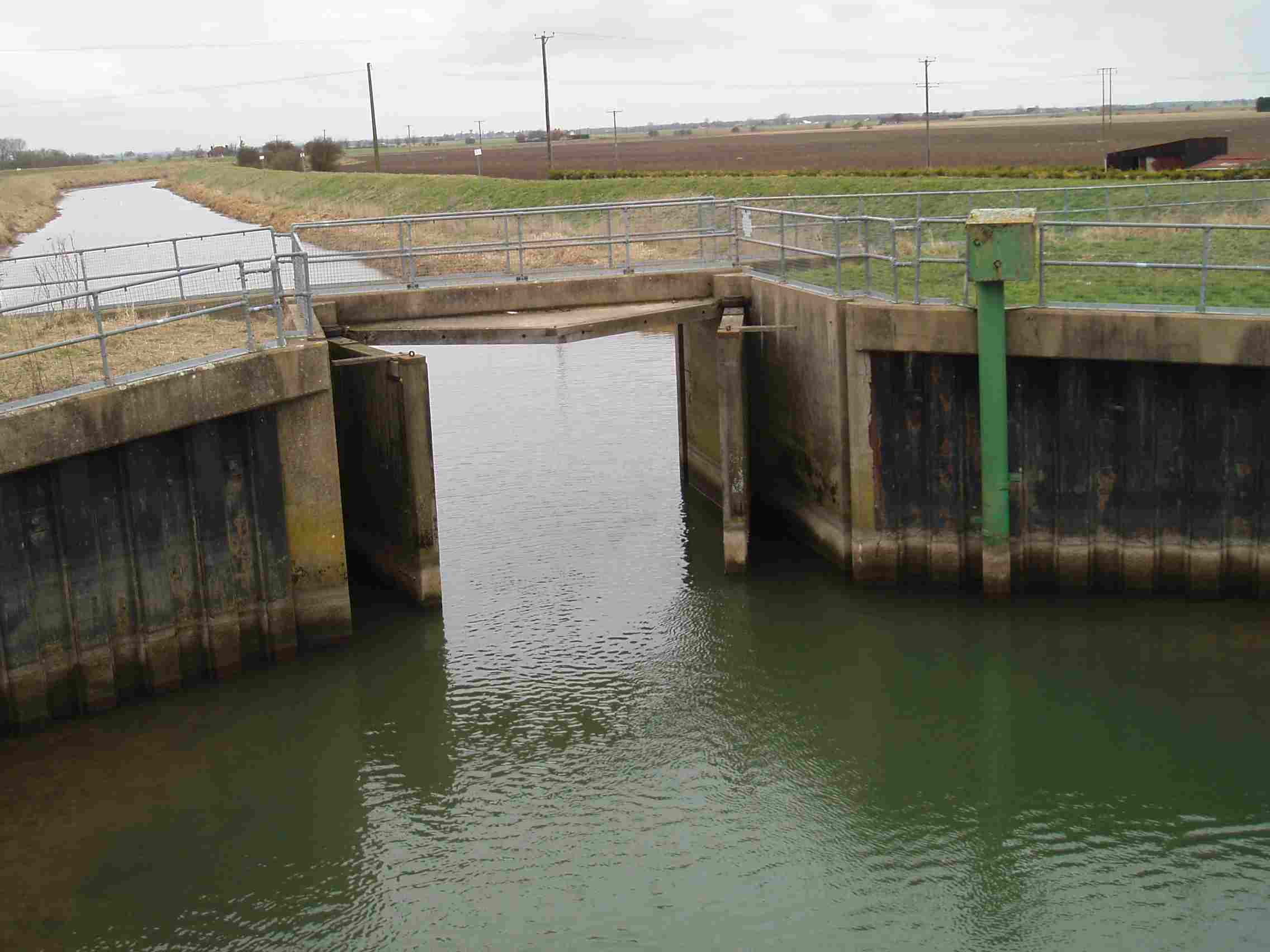
Automatic flood control gates, usually open. Roadside parking. Crown Lodge left.
Camping at Orchard Caravans and Camping Park. Tel 01526 342414, mobile 07810 603723
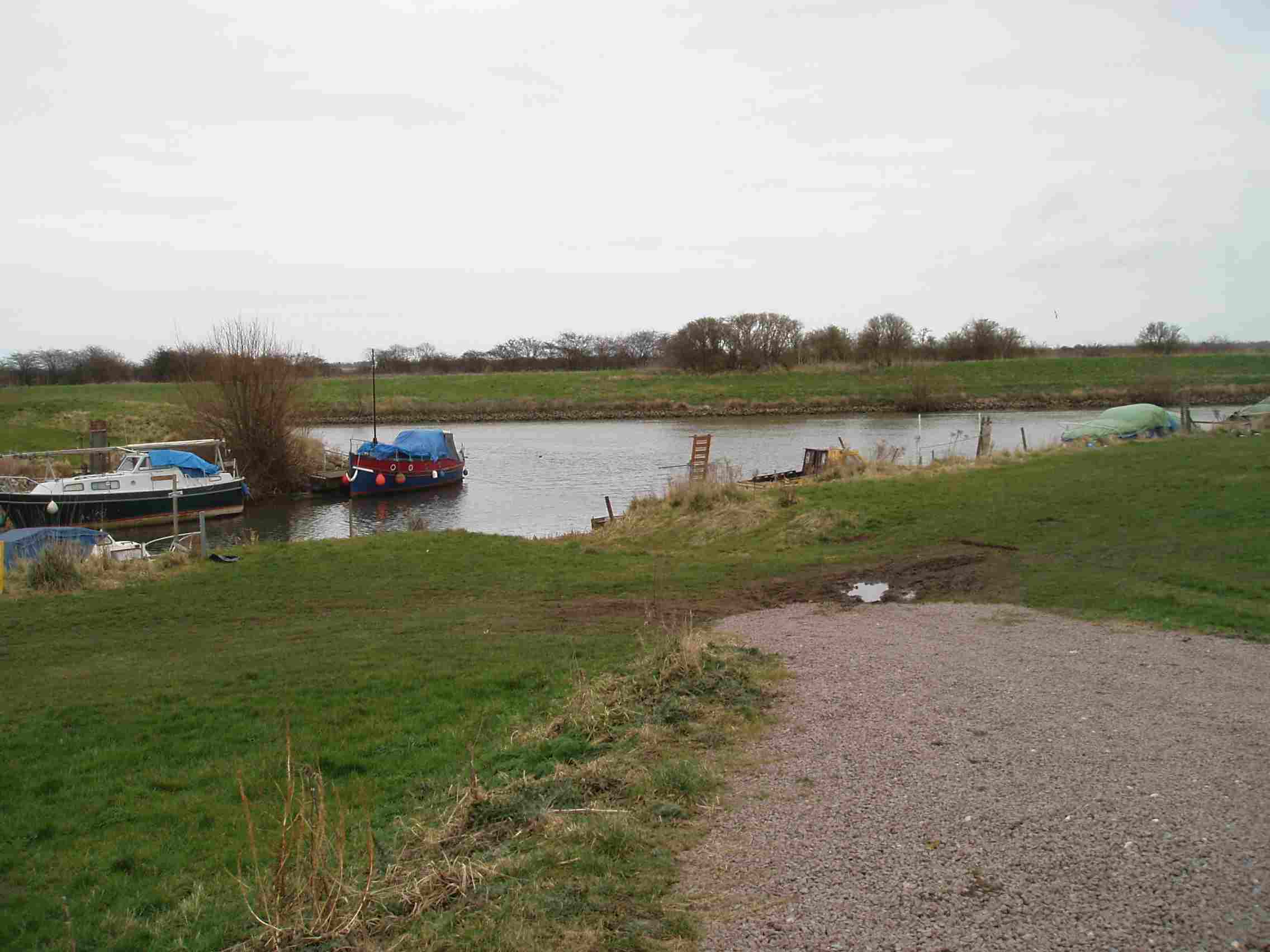
Moorings from here to the River Witham.

Jim Thornton
The novel, the painting, and the bible story
Murdoch’s Rose, Tintoretto’s Susanna, and Daniel chapter 13
Iris Murdoch’s sixth novel, An Unofficial Rose, opens with the funeral of Fanny Peronett. Her widower Hugh, a retired civil servant, stands by the grave. He is now the sole owner of a beautiful and valuable painting, which Fanny had brought to the marriage; a preparatory study for a priceless Tintoretto, Susanna Bathing. He glimpses his ex-mistress Emma Sands, across the churchyard.
Emma has become a successful novelist but remained single. She is living in an intense relationship with Lindsay, her beautiful companion. Lindsay is younger, poorer, and on the make. Hugh soon discovers that his son Randall, a successful rose breeder, is in love with Lindsay. Randall’s teenage son Steve has recently died, and Randall has all but left his wife Ann to run Grayhallock rose nursery and look after Steve’s highly strung sister Miranda alone. Miranda’s Australian cousin Penn is visiting for the summer. Anne’s neighbour Mildred, the complaisant wife of Humphrey, Hugh’s civil service colleague, whose otherwise distinguished career has been ended by a gay sex scandal, and her brother Felix, recently home from the army, live nearby. Mildred secretly loves Hugh. Felix loves Anne. Minor characters circulate.
The crucial scene plays out in Hugh’s London flat. A thunderstorm rages as Randall asks advice. He needs more than his father’s blessing. Lindsay will only elope if he has money, a lot of it, and Randall has a suggestion, sell the Tintoretto. Hugh is shocked, but tempted. Years earlier he had failed to leave Fanny for Emma. Giving Randall the money will free Emma for himself. When he asks Mildred’s advice she is torn in a different direction; selling the painting will free Anne for her brother Felix, but lose Hugh for herself.
The painting is sold and it releases the lovers. Randall and Lindsay elope and, with Mildred’s pushing, Felix reveals his love for Ann, which is reciprocated. But there are complications. Miranda also loves Felix, and he has a French girl pining for him in India as well. Penn loves Miranda but he’s young and messes up his seduction. The second time around, Hugh makes less headway with Emma than he had hoped.
The novel is driven by the female characters. While Anne remains passive at its centre, the other women act. Emma manipulates Lindsay and Hugh. Lindsay manipulates Randall. Miranda engineers her mother’s rejection of Felix, and Mildred gets her man. As the novel ends Felix, Mildred and Hugh are on a slow boat to India. Felix to meet up again with the French girl. Hugh, though he doesn’t yet realise it, to end his days with Mildred.
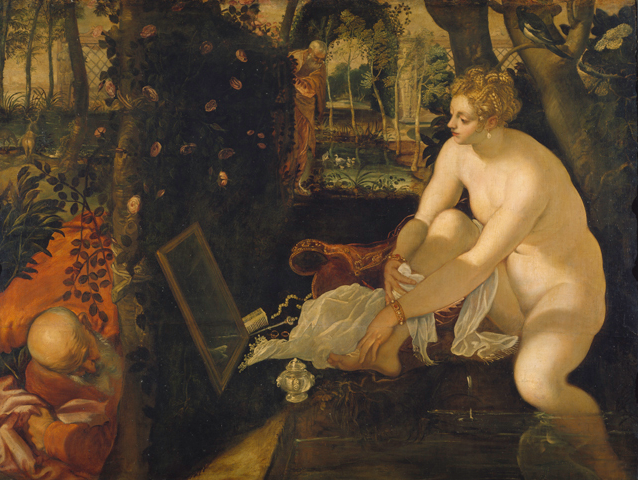
The novel’s preparatory Tintoretto is fictional, but Susanna Bathing is real; a star exhibit at the Museum of Fine Arts in Vienna. It depicts a voyeuristic bible scene. The apocryphal Daniel 13, omitted by protestants for some reason, tells a simpler story of illicit sex, albeit with higher stakes.
Joakim, whose house was also used as a courtroom, marries Susanna, a chaste and beautiful girl from a good family. Soon two of the old judges grow lustful having her around. First they catch each other trying to spy on her. Then they team up and hide in the garden until Susanna comes for her bath. The painting shows the moment after Susanna has sent her maids away, but just before the old men pop out and demand sex under threat of accusing her of having an affair. Susanna is trapped, but refuses to yield. She screams, the servants return, the old men carry out their threat, and in due course there is a trial. Despite her previously impeccable character, the fraudulent testimony of two men trumps that of one woman. Susanna is led away to execution.
But then Daniel speaks up, and somehow persuades everyone to let him conduct a retrial. By interviewing the men separately, he exposes their lies. One says he saw Susanna and her boyfriend under a tiny mastick tree, the other under a huge oak; they had not got their stories straight. The tables are turned, the old men executed and Susanna saved.
So why did Murdoch chose that painting? She surely wasn’t making any direct comment on the novel’s love tangles. Perhaps she just liked it, a beautiful piece of medieval soft porn, just right for an adultery facilitating trade.
Jim Thornton
Irrational surgery
Cutting the lingual frenulum, or the uterosacral nerve “because it’s there”
Frenotomy
Frenotomy to treat breast feeding problems makes little sense. Some people can stick their tongues out further than others but, apart from a tiny minority with other problems, the ability is unrelated to health. Even if it was, cutting the frenulum, the midline fold of skin which we all have under the tongue, is unlikely to alter function. The tongue is a big muscle; why would cutting a thin fold of skin in front of it matter? Orthopaedic surgeons don’t alter a muscle’s action by trimming round the edge, they remove it from its bony attachment and reattach it somewhere else. Even if the frenulum limited tongue movement, scars contract; cutting is just as likely to reduce mobility. You need z-plasties or similar to prevent contractures.
Empirical trials don’t support frenotomy either; most trials cut patients in the control groups within 48 hours so they could only measure the effect on very short term maternal pain (click here). The only trial which delayed cutting controls for two weeks was negative (click here). So why do up to 10% of babies get their “tongue ties” cut? Because it’s there.
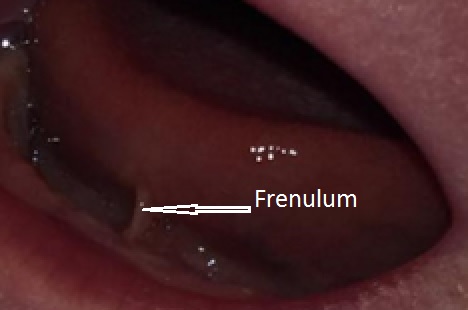
Open the baby’s mouth and anyone can see it. Naive parents easily believe the story that it is limiting tongue movement. Cutting is easy, the baby can’t fight back, and complications are few. If the breast feeding problems resolve, the parents credit the operation. If they don’t, the surgeon can claim it was done too late, needs repeating, or doesn’t always work.
LUNA
Not so long ago laparoscopic uterosacral nerve ablation (LUNA) was the gynaecological equivalent of frenotomy for painful periods. Cutting the nerves to the uterus is not straightforward; an extensive plexus of nerve fibres lies deep in the retro-peritoneal space alongside the ureters and large arteries and veins. A proper nerve cutting operation, pre-sacral neurectomy, is difficult and risky; a last resort for women with disabling pain which can be treated in no other way. The results are modest at best.
But laparoscopy allows even ordinary surgeons to have a go. The uterosacral ligaments don’t contain many nerve fibres, but they need no fancy dissection to identify, and contain no important blood vessels.

Any surgeon who could clip a Fallopian tube could do LUNA. Poorly designed studies suggested it might work, and it became a common and lucrative operation. Since most pelvic pain resolves with time many patients were convinced they’d been cured, and some surgeons made good money. A few women had complications, but if it works … .
Eventually a group of researchers the LUNA Trial Collaboration, did a proper randomised trial – including a sham incision on controls, vital to avoid a placebo effect (click here or LUNA trial full report. Full disclosure – I was a participating surgeon).
Result – absolutely no effect from LUNA. Looking back it was obviously going to be so. There was no underlying logic. It was popular because it was there, and any old surgeon could do it. LUNA has pretty much died away from embarrassment.
Come on NHS. It’s time for one well-designed trial to send frenotomy the way of LUNA.
Jim Thornton
Gynaecological Teaching Associates
Nice trial – pity about the ethics committee?

Many trials comparing different teaching methods are of dubious quality (e.g. here), but this one (click here) in last week’s British Journal of Obstetrics and Gynaecology (BJOG) looked like it was going to be good – perhaps until the research ethics committee got involved.
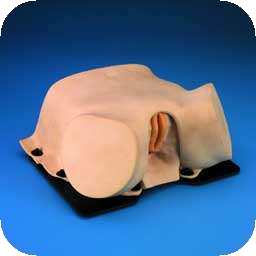
Passing a vaginal speculum to take smears, fit coils etc., is a tricky skill to learn. Many medical schools let students practice on plastic models, which work reasonably well but are not very realistic. Others employ healthy women volunteers, who not only let students practice on them but teach, feed back on the student’s technique, and often become part of the teaching faculty.
Such gynaecological teaching associates (GTAs) are wonderful women, but do they really make for more skilful doctors? It would be good to have unbiased evidence. Unfortunately no firm conclusions could be drawn from the three poor quality randomised trials done to date. Hence the new trial.
It was prospectively registered here, with a planned sample size of 101 students (94 achieved) randomised in a 1.4: 1 (GTA: control) ratio, to maximise the use of available GTAs. The primary endpoint was the objective structured clinical exam (OSCE) score (range 0-54, high = good). The sample size was sufficient to show a shift in mean scores of about half a standard deviation. The OSCE was conducted with the student examining a model pelvis and scored by a GTA and a trained gynaecologist working together, neither of whom were aware of the student’s group. The result was negative. GTA training made no difference. Median control group score 43, GTA group score 44, P=0.26. Oh dear!
But assessment on a plastic pelvis is surely not the best way to judge a student’s skill. Students trained on models may do fine in exams on models, but go to pieces when faced with the real thing, and only the person being examined can really judge if a doctor is being gentle. Why didn’t the researchers measure the student’s skill passing a speculum on a real woman, i.e ask a GTA to act as the exam model, as well as helping score student’s performance?
Perhaps they wanted to. There is a rumour that the researchers had planned to evaluate the students properly but were dissuaded by the research ethics committee, squeamish about something or other.
If true, this is outrageous – the trial may have given a false negative result, will need to be repeated, and more women will suffer avoidable discomfort and embarrassment – but it’s not easy to check. Queen Mary’s research ethics committee (click here) don’t publish their deliberations. Someone might speak up, but I’m not optimistic. No researcher wants to go on record about these sort of shenanigans; ethics committees have almost unlimited power to delay or meddle with projects.
Let’s hope I was misinformed.
Jim Thornton
 Ripe-tomato.org