Days by Philip Larkin – in French

I don’t know who did this translation, but I like it.
À quoi servant les journées?
À être le séjour de notre vie.
Elles viennent, elles nous réveillent
Tant et tant de fois.
Il faudra que du bonheur s’e loge.
Ou vivre, sinon dans les journées?
Régler la question fera
Surgir prêtre et docteur
Dans leurs longs manteaux courant
Par-dessus les champs.
Here’s another translation. I like this one too.
Pour quoi sont-ils les jours?
Les jours sont où nous vivons.
Ils viennent, ils nous réveillent
temps et temps plus de.
Ils doivent être heureux dans:
Où pouvons-nous habiter mais les jours?
Ampèreheure, résolvant que la question
apporte le prêtre et le docteur
dans des leurs longs manteaux fonctionnant
au-dessus des champs.
And here is the original.
What are days for?
Days are where we live.
They come, they wake us
Time and time over.
They are to be happy in:
Where can we live but days?
Ah, solving that question
Brings the priest and the doctor
In their long coats
Running over the fields.
Is surviving translation a sign of greatness?
River Welland
Market Deeping to Spalding
The Welland can be canoed above Stamford (click here) but it’s not easy, and even below there are many weirs and other obstructions. We started below Deeping St James High Lock, leaving only one portage before Spalding. Camping at Crowland breaks up the open fenland section.
0 miles – Deeping St James High Lock. The locals recommend parking on the roadside away from the river, but who wants to get run over? We faced them down.

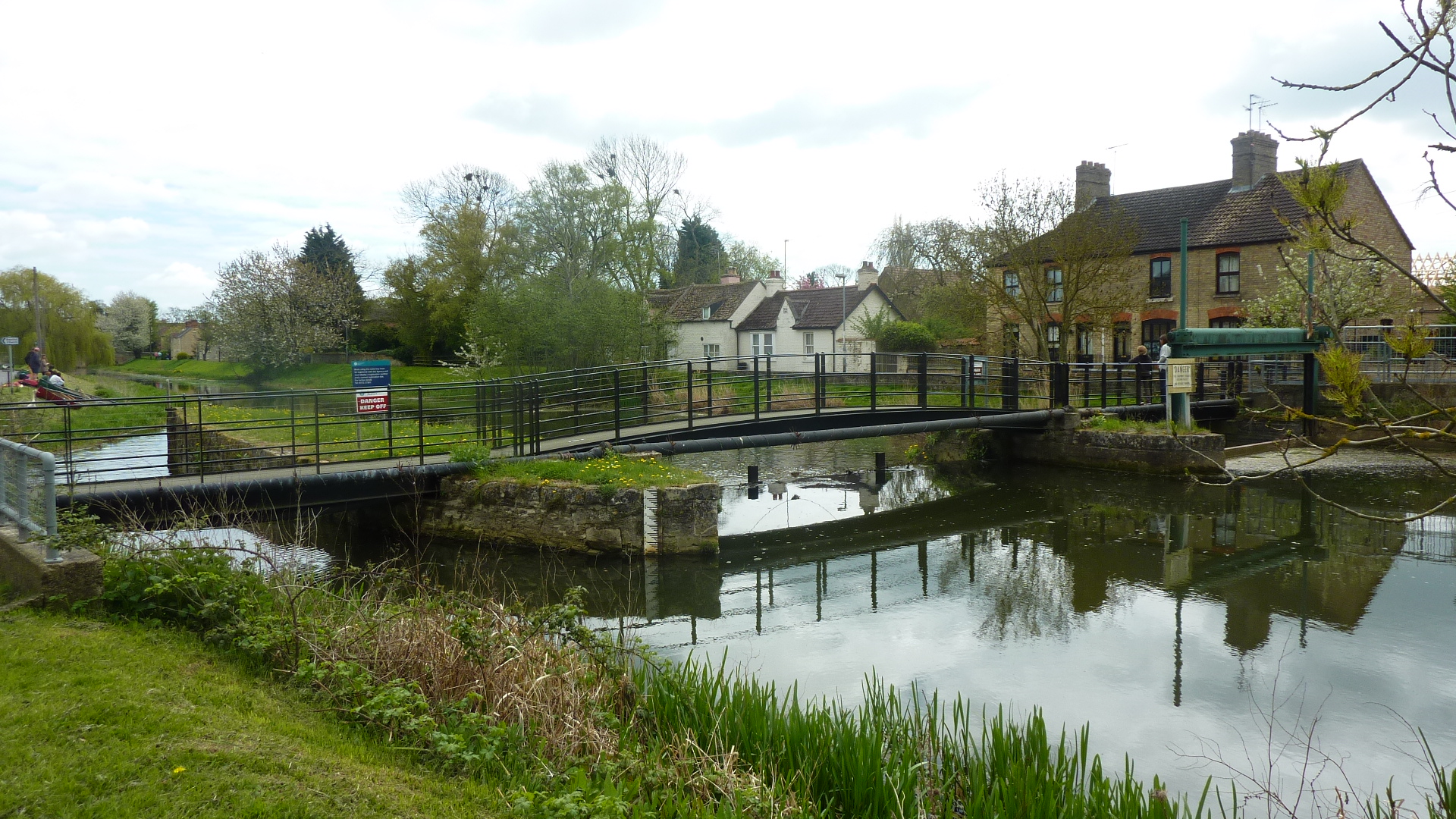
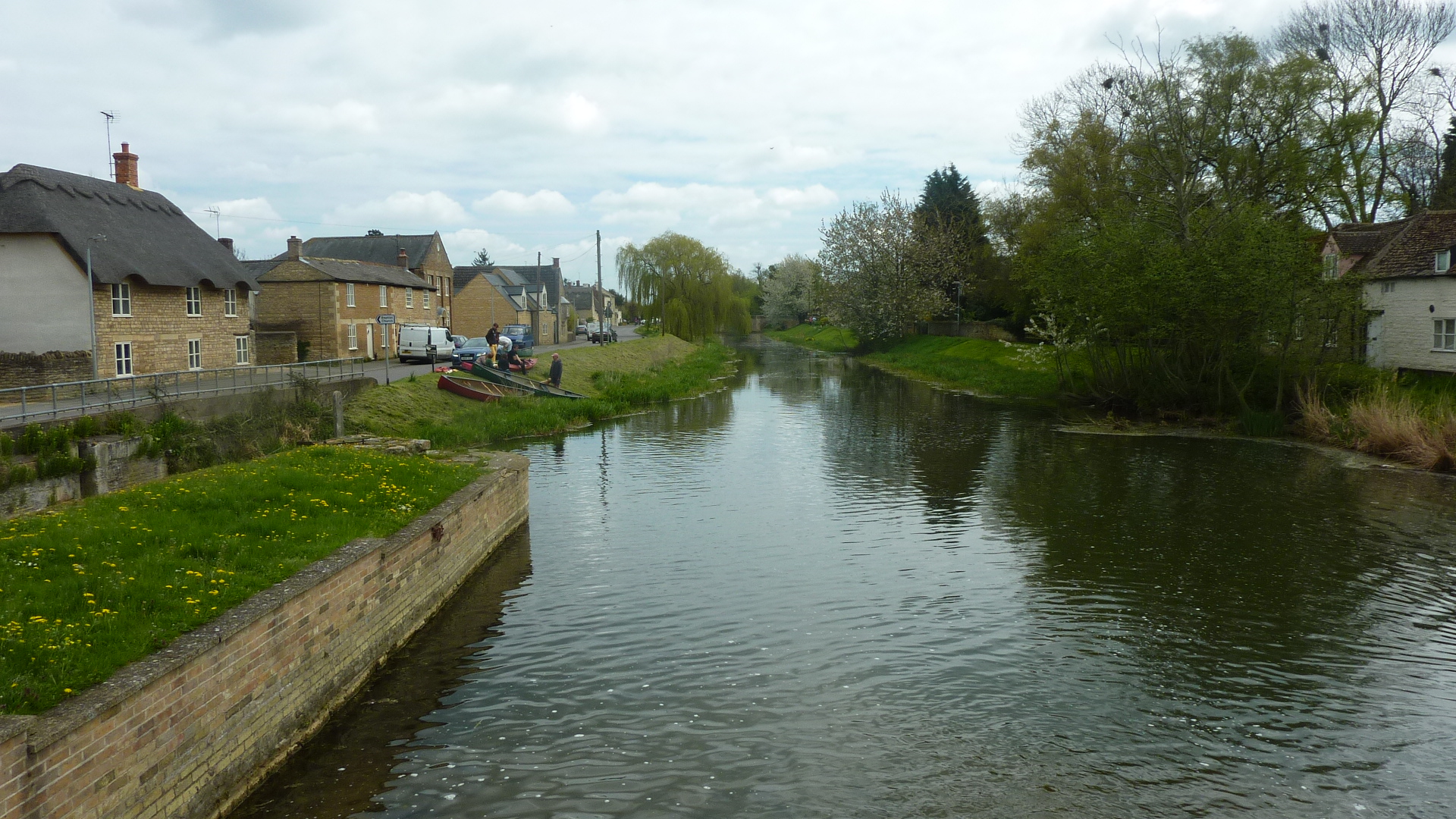
0.25 miles – B 1162 bridge, followed by footbridge. The dog, first trip in a canoe, is just about to learn you can’t walk on water.
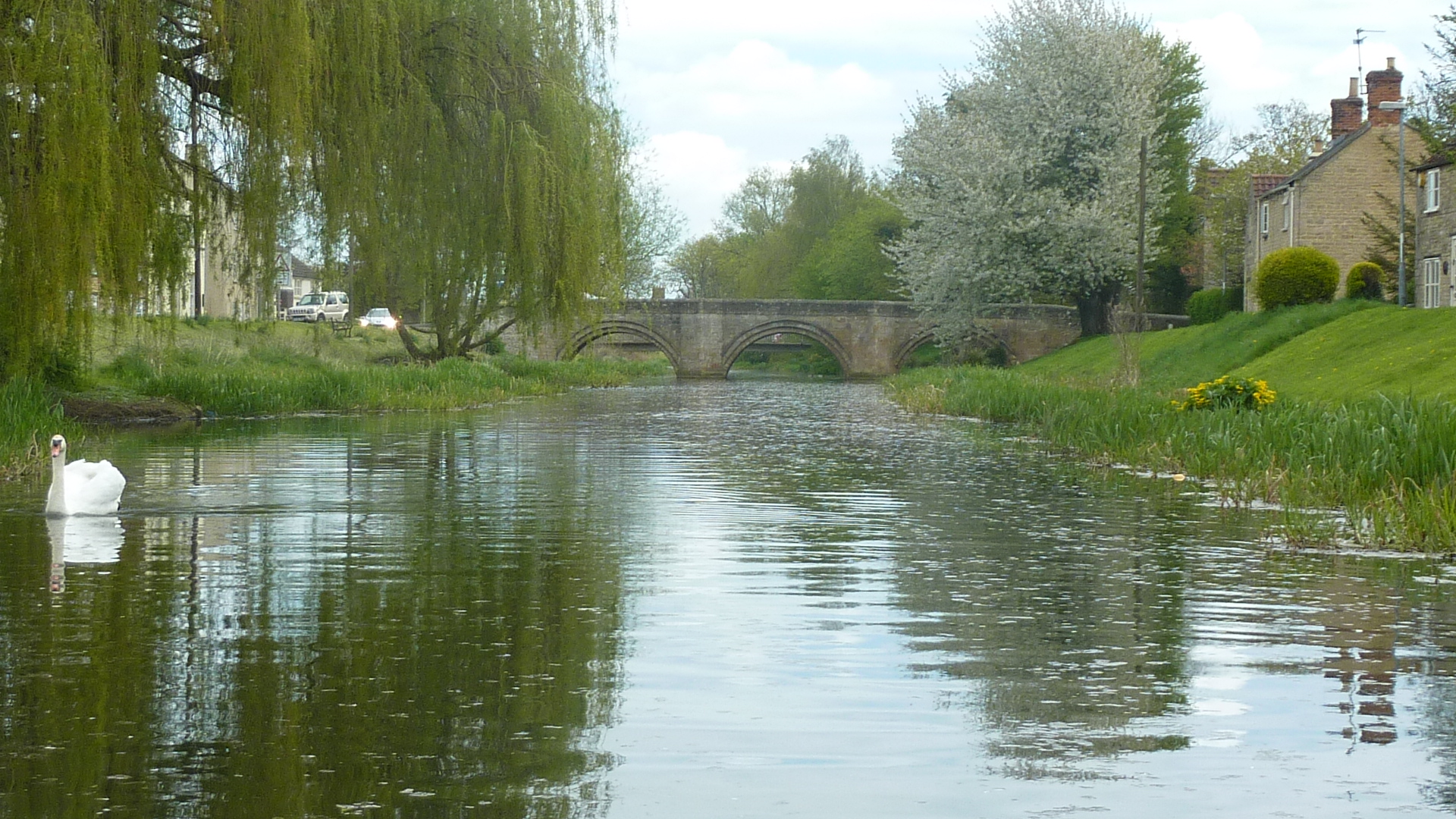

0.5 miles – Deeping St James Priory Church left


1 mile – Deeping St James. Low lock and weir. Portage over the island.


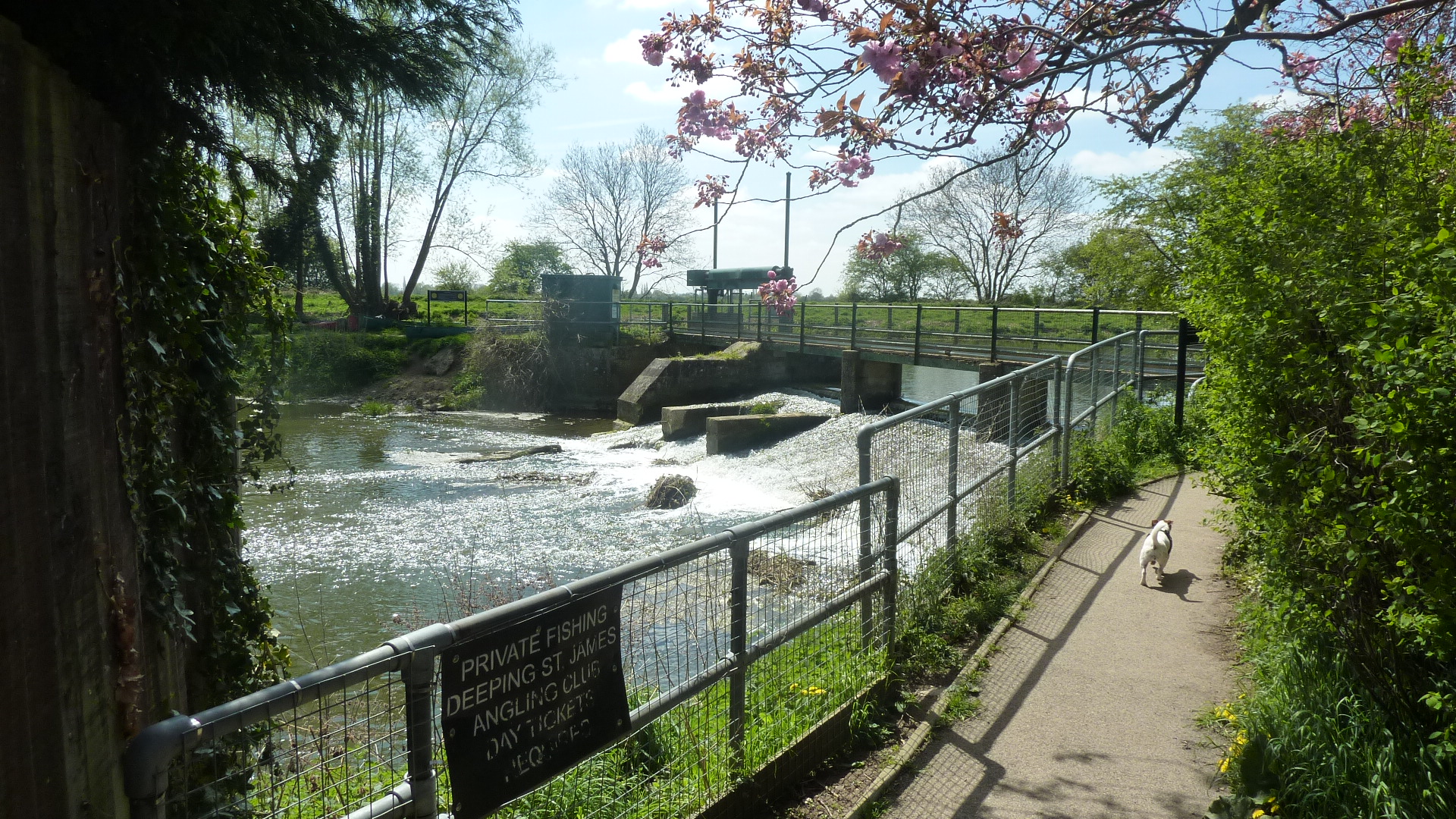
Old lock chamber still visible in R channel

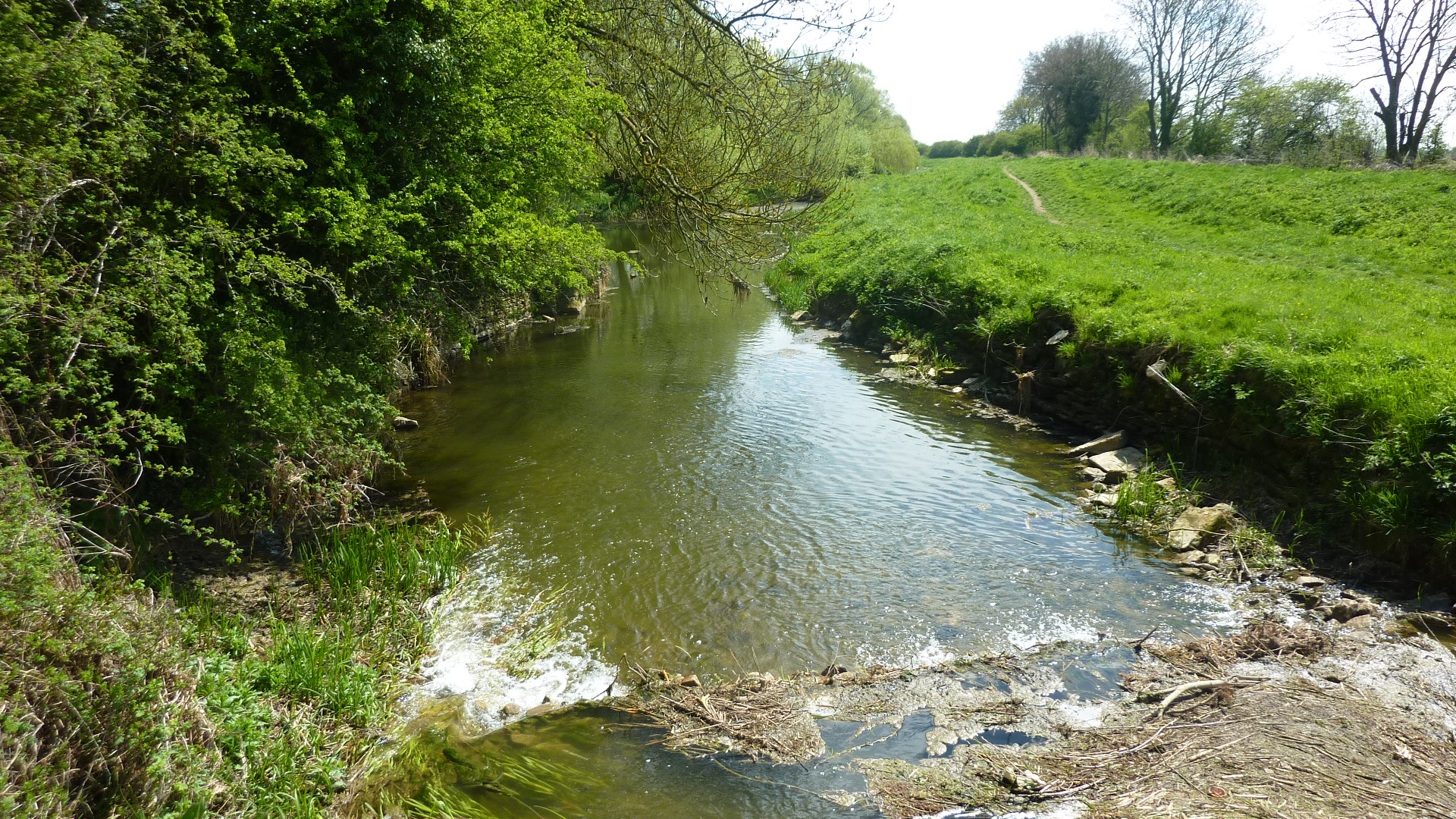

1.6 miles – railway bridge. Looks a bit rusty, but carries the Spalding to Peterborough line.
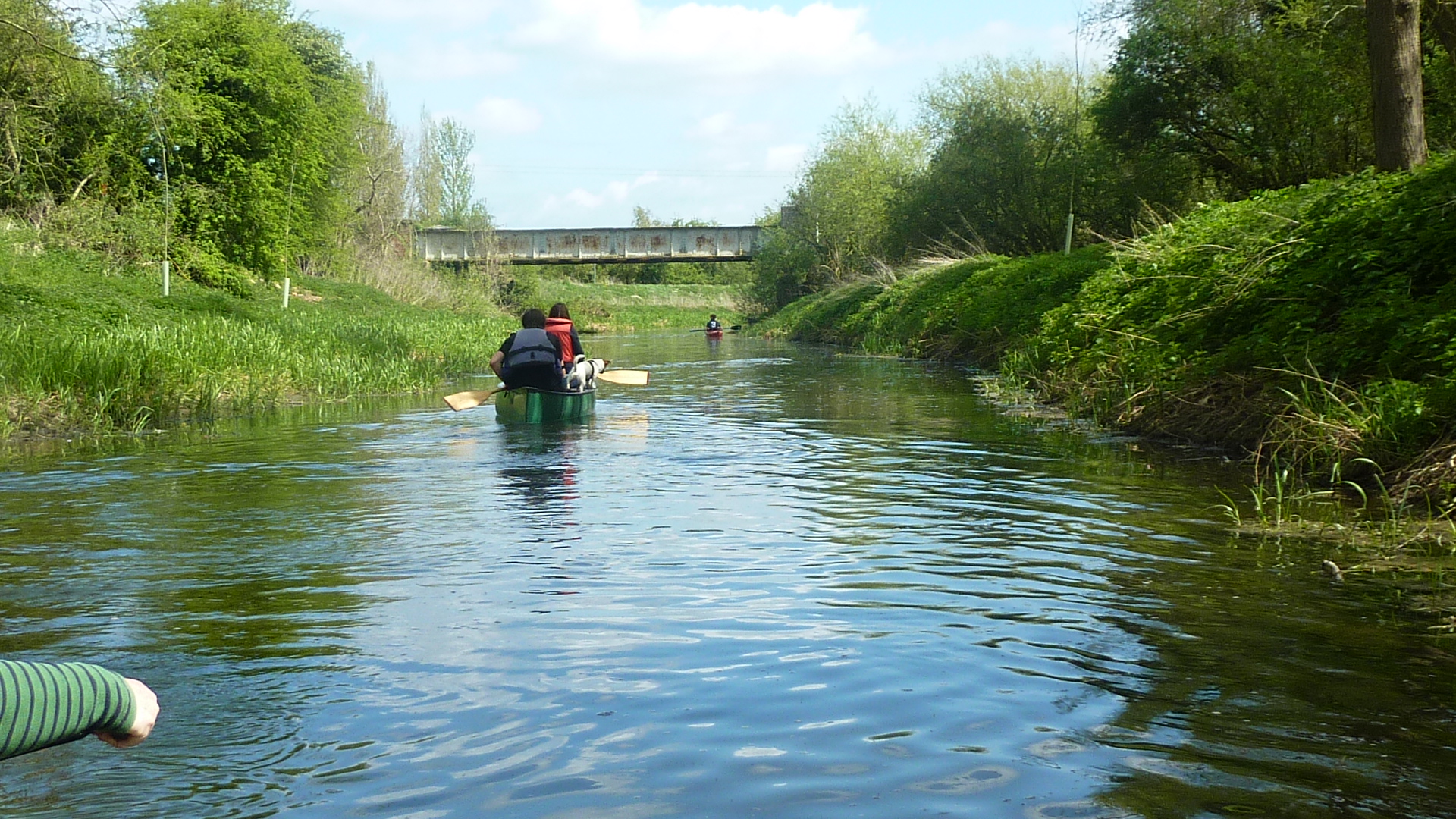
1.8 miles – Maxey cut joins right, followed by Car Dyke.


The river changes character. From here to Spalding it’s wide, straight and deep, with high banks – no fun in a headwind.
2 miles – Gravel bank left. Access to the bird sanctuary.
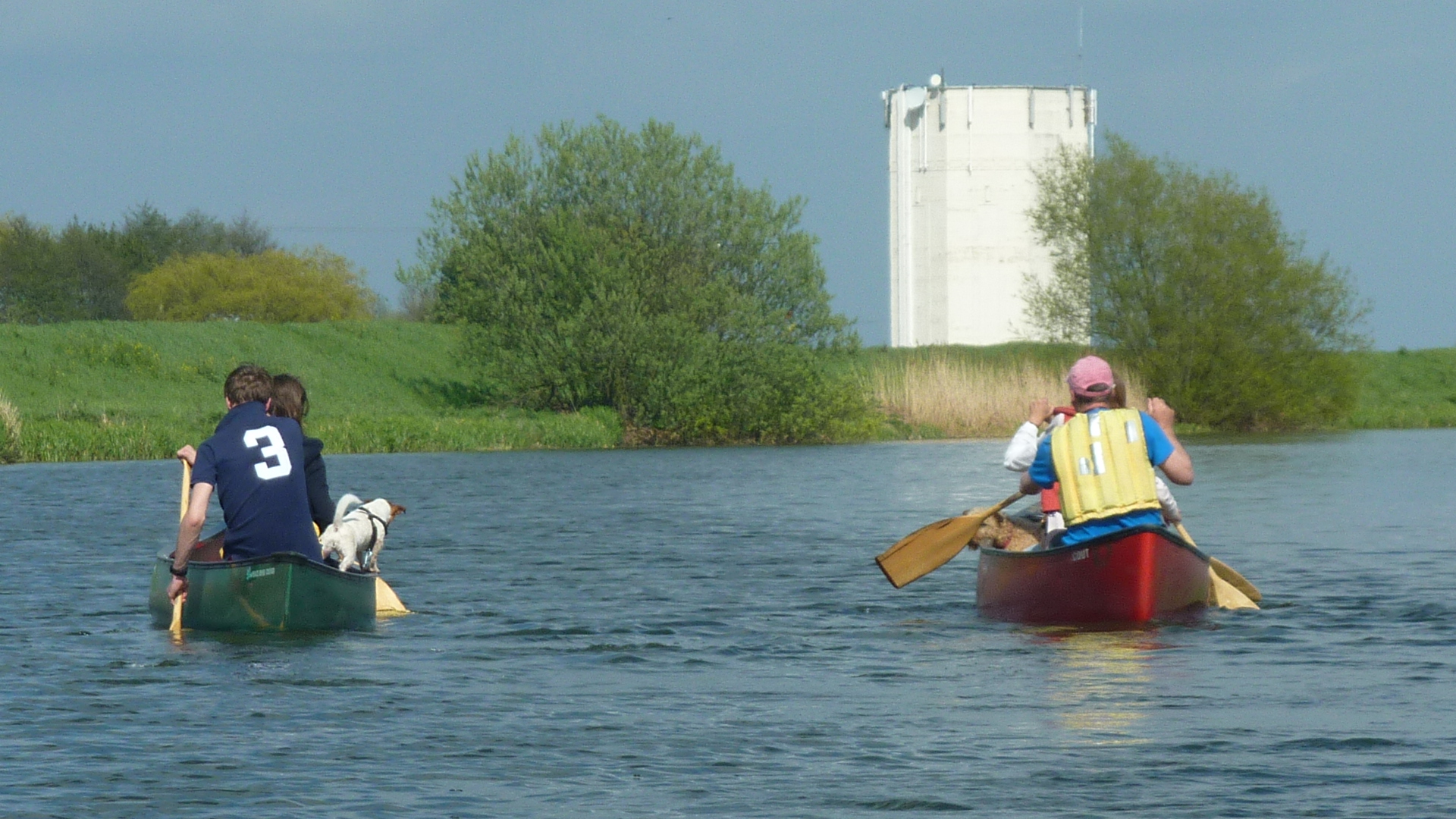
River bend at 4 miles. Soon Crowland water tower comes into view.


5 miles – B1166 bridge. Crowland 1/2 mile right.
Access left, camping (click here) and Ye Olde Bridge Inn. The day we visited, May 2013, the manager had just run off with the takings and the pub was closed. The campsite had trouble with the loos, so we had to use the ones in a static caravan. But the sun shone and everyone was friendly. A great spot.


The Abbey is visible from the river. So are Crowland Cranes. This may be rural, but it’s not tourist country. Unlike the Lake District or Pennines, where they live off cream teas and EU subsidy, Lincolnshire farmers are the real deal, filling containers with produce for our supermarkets. Unused corners get crane companies on them! Crowland recently entered into partnership with Zoomlion Heavy Industry, one of the world’s largest manufacturers. The Chinese are coming.

7 miles – Four Mile Bar footbridge

8.5 miles – A16 bridge
9.5 miles – New river joins right
9.6 miles B1172 bridge
9.8 miles – disused railway bridge

Coronation Channel leaves right.

The Coronation channel was built to stop Spalding flooding, and by all accounts is doing a good job. It’s not a navigation. The Spalding river taxi is the only powered boat allowed to use it.

But it’s canoeable up to the sluice gates where it rejoins the tidal river. A circular tour requires a portage.
Main river10 miles – footbridge
10.2 miles – footbridge
10.3 miles footbridge 10.5 miles footbridge. Road bridge B1172
10.7 miles footbridge 10.9 miles – two footbridges 11.2 miles – A151 bridges
11.4 miles – Lock
The third reverse gate facing downstream holds back high tides.
|
Coronation channel10 miles – Leaves river right under road bridge
10.5 miles – bridge
10.75 miles – bridge
11 miles – bridge
11 .25 bmiles – bridge disused
11.5 miles – railway bridge disused
Road bridge A151 bridge Bridge and sluice gates
Land left just above the barrier buoys for portage back to the Welland
|
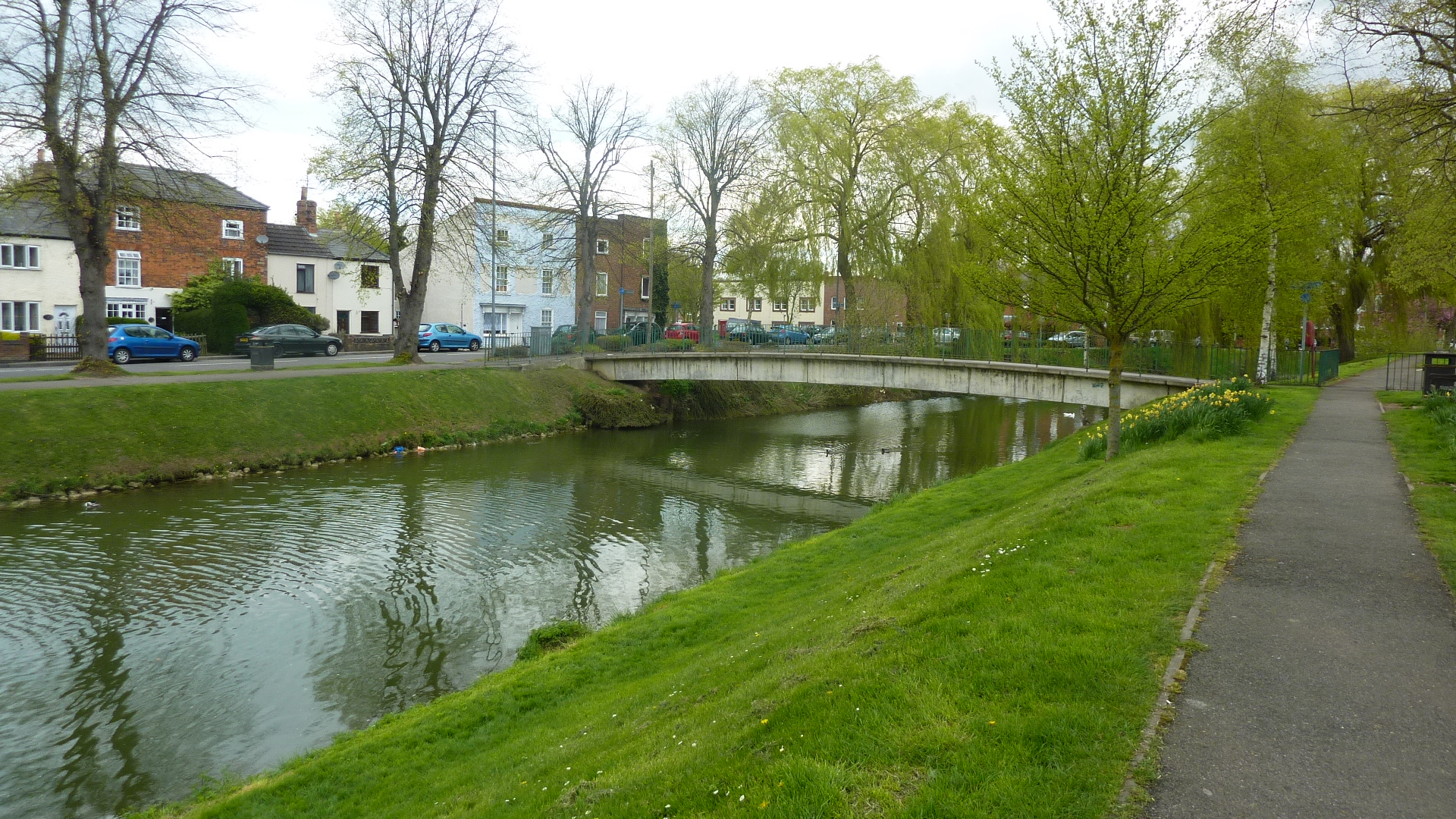


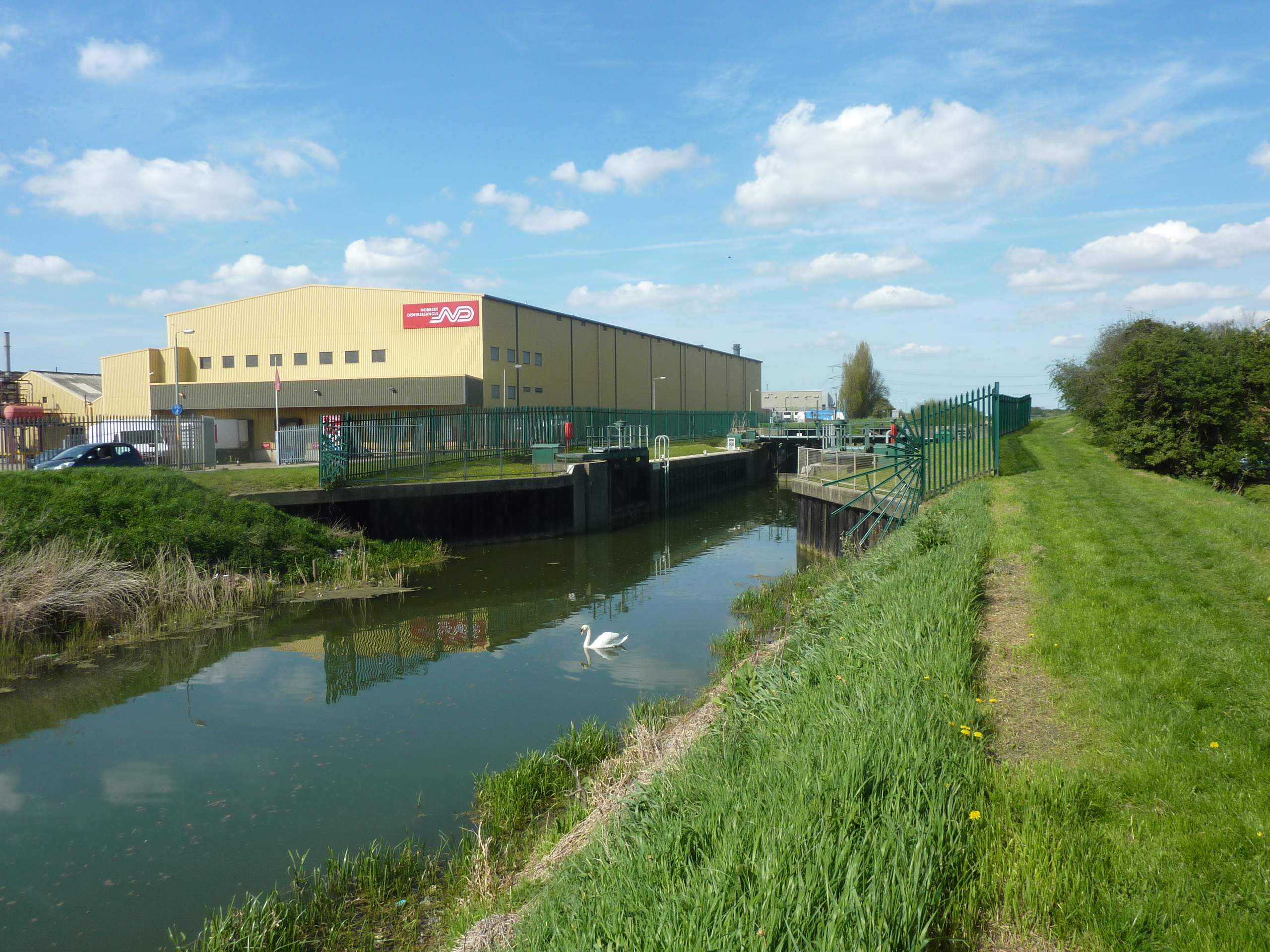

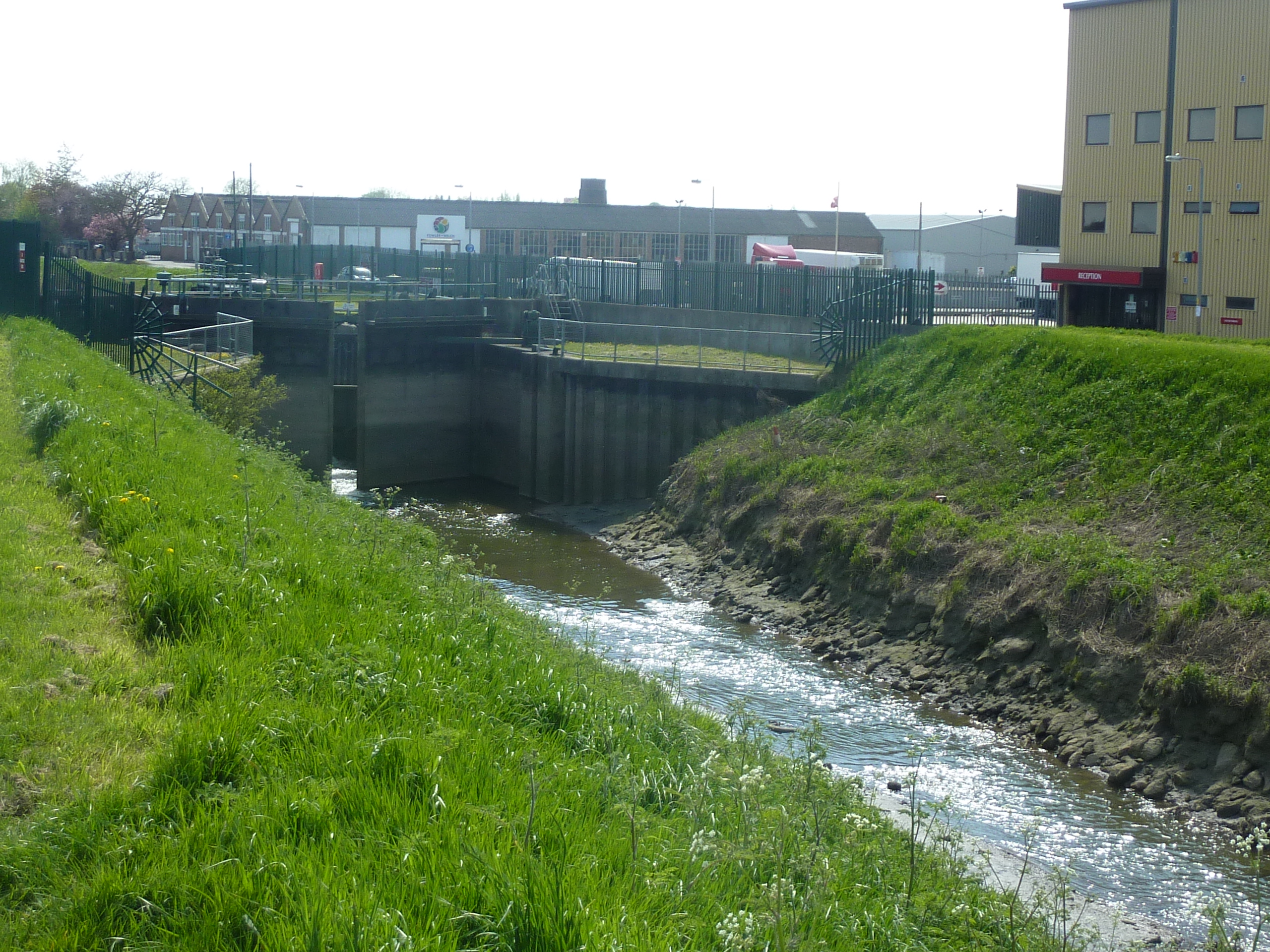
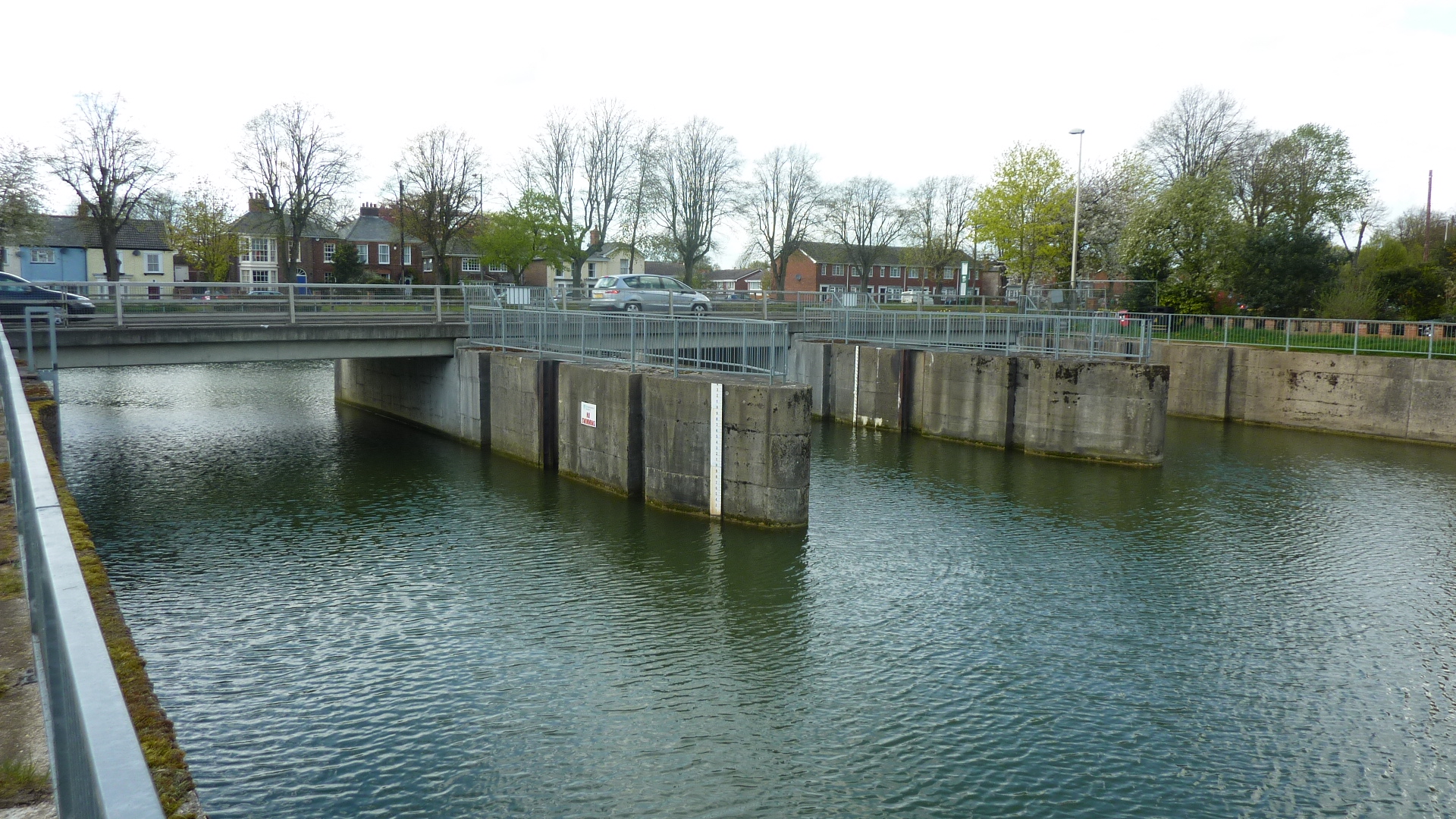
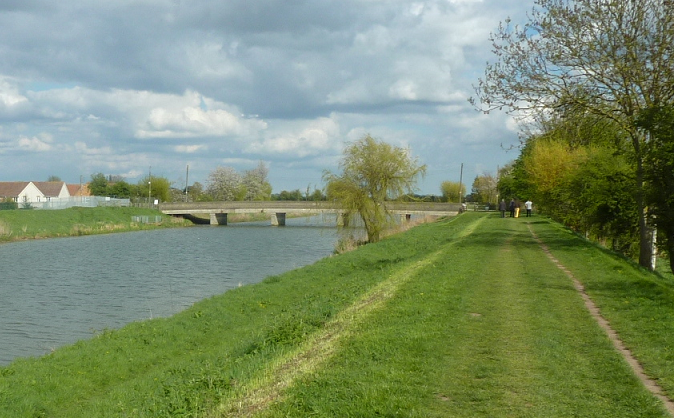
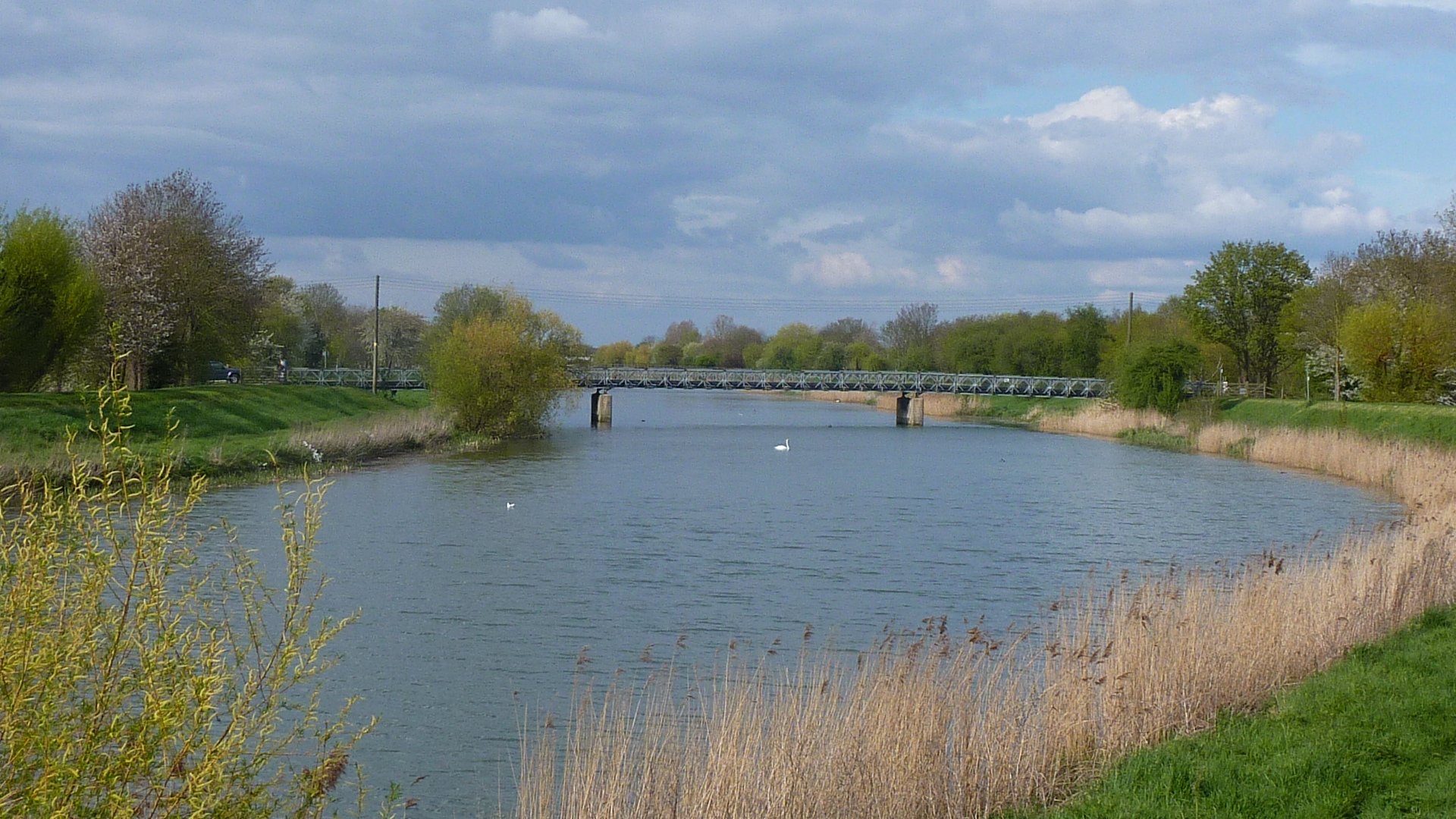


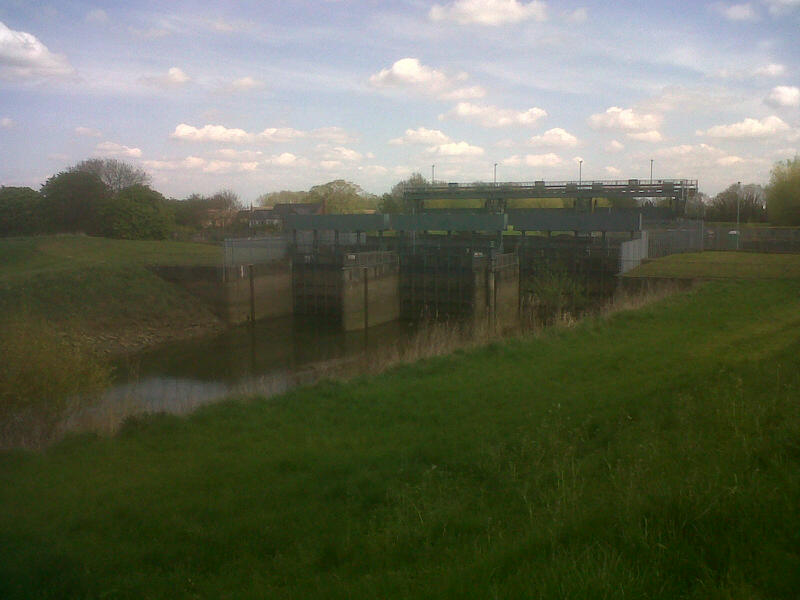
11.6 miles – Coronation channel rejoins the now tidal river right.

The tidal river does not look attractive canoeing.
Jim Thornton
Nocturne
By Kingsley Amis
First published in The Fantasy Poets No 22, 1954, and later included in Amis’s first mature collection, A Case of Samples 1956, a year after Larkin’s The Less Deceived, this hardly matches Wedding Wind, Church Going or At Grass, but it’s pretty good.
I like Amis’s humour; on this the Watch Committee/And myself seem likely to agree. And not only using drunks and lusty couples to show up our differences from animals, but doing so in a serious and moving way – Larkin would have approved.
Under the winter street lamps, near the bus-stop,
Two people with nowhere to go fondle each other,
Writhe slowly in the entrance to a shop.
In the intervals of watching them, a sailor
Yaws about with empty beer-flagon,
Looking for something good to smash it on.
Mere animals: on this the Watch Committee
And myself seem likely to agree;
But all this fumbling about, this wasteful
Voiding of sweat and breath – is that animal?
Nothing so sure and economical.
These keep the image of another creature
In crippled versions, cocky, drab and stewed;
What beast holds off its paw to gesture,
Or gropes towards being understood?
Dis-Harmoni in Hackney
Competing for out-of-hours care
Critics of the health reforms who accuse the private sector of cherry picking sometimes have a point, but not for primary care out-of-hours calls.
Time was when no-one wanted to do them. Old style general practitioners had to, it was in the contract, but they were a pain, so they set up rotas, and especially in big cities switched over to a ragbag of commercial Doctors Deputising Services (DDS) to fill the gaps. These outfits were often staffed by doctors who couldn’t get jobs elsewhere, or who were moonlighting and tired – the Dangerous Doctors Service – so it was frowned on to use them too much, and they had to be paid out of practice funds, so complicated and inefficient systems grew up with practices switching over at different times. Patients sometimes got through directly to a doctor, sometimes a dispatcher, but they rarely got to see their own GP.
Then in 2004 GPs negotiated a new contract with the Department of Health allowing them to opt out of 24-hour care altogether. Nearly all, 90%, did so, and the Primary Care Trusts, who ran things back then, had to find someone else to do the work. In Hackney the PCT chose Harmoni, one of the best of the old deputising services. Harmoni had started out in 1996, as a GP cooperative in nearby Harrow, and the new GP contract allowed it to expand. In 2005 venture capital was bought in and a whole network of phone banks, 24-hour surgeries, and doctors and drivers set up. It is now the county’s largest provider of out-of-hours care. All calls are triaged by a nurse, and their contract insists that they keep data on response times, visit and referral rates, and clinical incidents. By all accounts they make a decent profit.
Although patients still rarely if ever see their own GP, it’s probably an improvement. Harmoni faces losing the contract if it performs badly, the opposite of the old system where the GPs didn’t want to do it, but couldn’t avoid it! But it’s tricky to prove, because the old system didn’t keep the same records, times have changed, and patients behaviour and expectations are different.
Then a funny thing happened. The Hackney GPs saw how profitable out of hours care could be, and set up a new co-operative, City and Hackney Urgent Healthcare Social Enterprise (CHUHSE) to win the contract back! You might think they wouldn’t stand a chance, but they have some good cards to play. Where night call problems used to be smoothed over as quickly as possible, now they’re ammunition for the cause. Patient groups pop up, and articles alleging poor standards by Harmoni appear in The Guardian (click here and here).
CHUHSE‘s first bid last summer failed, allegedly because the PCT was nervous about allocating the contract to a new provider without proper tendering, just before handing over to the new Clinical Commissioning Groups. That’s one of the points of the new system – to make it more difficult for local GPs to allocate contracts to their mates. CHUHSE is grumbling, and alleging that they were knocked back for political reasons.
But patients should be delighted. Two organisations are competing hard to provide an unpopular service, and the people who know best, the local GP-led Clinical Commissioning Groups will decide after a proper procurement process.
Jim Thornton
More KEEPS confusion
I was off target this morning (click here), wondering why an open sub-study paper had appeared before the main KEEPS trial results. But not in a good way.
The KEEPS main trial has still not appeared in a peer-reviewed journal. No raw data or clinical endpoints have been published anywhere, not even the raw data for the primary endpoint, carotid intimal medial thickness (CIMT) at four years.
But since October 3rd 2102, press releases, websites, interviews with health journalists, and at least one conference presentation have leaked out the authors’ conclusions. These were always positive. Here are a couple of examples:
“researchers concluded that estrogen/progesterone treatment started soon after menopause appears to be safe; relieves many of the symptoms of menopause; and improves mood, bone density, and several markers of cardiovascular risk.” Here
“Hormone Therapy Has Many Favorable Effects in Newly Menopausal Women: Initial Findings of the Kronos Early Estrogen Prevention Study (KEEPS)” and “Estrogen /progesterone treatment started soon after menopause appears safe and relieves many of the symptoms menopausal women face as well as improving mood and markers of cardiovascular risk, according to a multicenter randomized study” Here
Google “KEEPS HRT” to find dozens more. But read the details. This is from the North American Menopause Society meeting abstract (click here).
“The carotid ultrasound studies showed similar rates of progression of arterial wall thickness in all three treatment groups over the four years of study. These changes were generally small, limiting the statistical power to detect any differences among the groups.”
i.e. the trial was negative. Neither estrogen nor estrogen & progestagen improved CIMT, the chosen surrogate marker for cardiovascular disease. But anyone who had not checked the trial registration site for the primary outcome would never realise this.
It’s difficult to criticise this sort of thing properly until the full trial report is published. But this looks like drug marketing masquerading as research.
The KEEPS study itself is funded by grants from the Auroroa Foundation, an outfit largely funded by the billionaire John Spurling. The study drugs were supplied by Bayer Health Care and Abbott Pharmaceuticals. The KEEPS chief investigator Howard R Hodis does not list any conflicts in his papers but has appeared on HT marketing videos sponsored by Wyeth (click here). Another Rogerio Lobo is on my name and shame list (click here).
Look out for the trial report.
Jim Thornton
KEEPS Confusing
The Kronos Early Estrogen Prevention Study (KEEPS click here)
Why would a randomised double-blind trial, which completed recruitment in June 2008 and whose participants presumably reached the final primary outcome at four years in June 2012, suddenly publish an unblinded substudy before the main trial report? KEEPS did this in February (click here).
Were Mayo clinic participants unblinded just so that the effect of estrogen on bone density could be reported? That’s hardly a major discovery. Is KEEPS really double blind? Are centres able to break the blinding when they want to?
I’m sorry to be suspicious but KEEPS was designed to test the timing hypothesis for the effect of estrogen on cardiovascular diseases, i.e. the idea that it is cardioprotective for women within 10 years of the menopause, despite being clearly harmful later. Its authors are well known advocates of the timing hypothesis and many have received grants and lecture fees from companies marketing HRT. If they show a favourable effect of HRT on surrogate markers of cardiovascular disease they will surely trumpet it from the rooftops. Sceptics will want to be confident that those markers were measured blind.
Note for those readers who think they have already read the KEEPS results. You have, many times. Here are some KEEPS publications:
http://www.ncbi.nlm.nih.gov/pubmed/22587616
http://www.ncbi.nlm.nih.gov/pubmed/23408873
http://www.fertstert.org/article/S0015-0282(12)02492-2/abstract
http://physiolgenomics.physiology.org/content/45/2/79.long
http://www.atherosclerosis-journal.com/article/S0021-9150(11)01149-X/abstract
http://www.fertstert.org/article/S0015-0282(10)02586-0/abstract
http://www.ncbi.nlm.nih.gov/pmc/articles/PMC2721728/
But as far as I’m aware all these were observational studies on the whole cohort.
Jim Thornton
“Meet me at St Pancras”
Two options
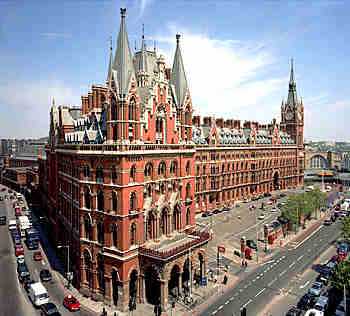


The recently added frieze under Paul Day’s Meeting Place should please those (not me) who think the idealised erotica of the main statue tacky. But if crowded trains, laden shoppers, and rougher sex (click here) don’t do it for you, move 50 yards north.


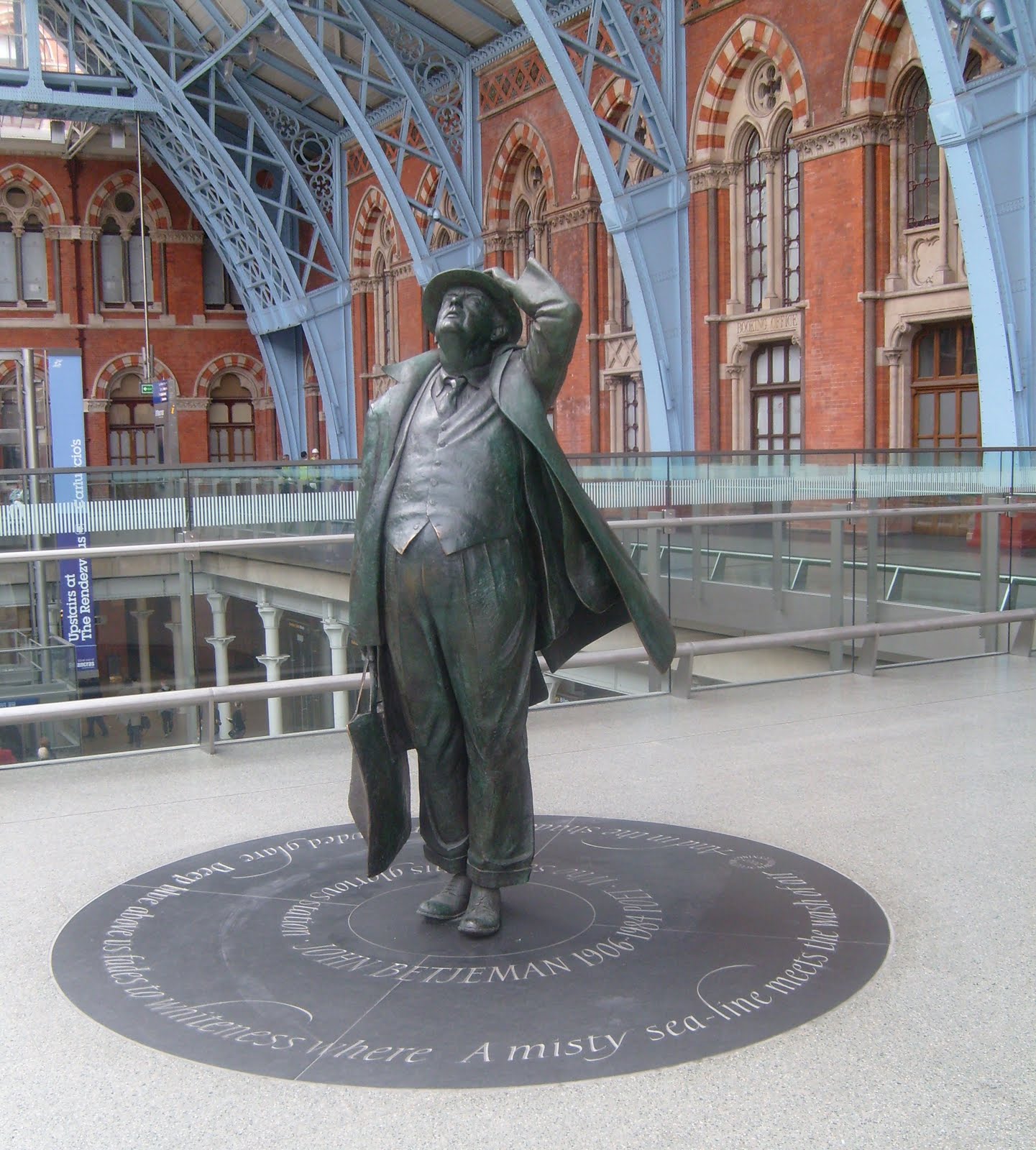
In the 1960s John Betjeman campaigned to stop Giles Gilbert Scott’s magnificent building being replaced with a concrete box like nearby Euston. He deserved his statue by Paul Jennings. Around the base is verse six of Cornish Cliffs. which is odd since no train ever went southwest from here. Water-colourists will like A misty sea line meets the wash of air. Here’s the full poem.
Cornish Cliffs
Those moments, tasted once and never done,
Of long surf breaking in the mid-day sun.
A far-off blow-hole booming like a gun-
The seagulls plane and circle out of sight
Below this thirsty, thrift-encrusted height,
The veined sea-campion buds burst into white
And gorse turns tawny orange, seen beside
Pale drifts of primroses cascading wide
To where the slate falls sheer into the tide.
More than in gardened Surrey, nature spills
A wealth of heather, kidney-vetch and squills
Over these long-defended Cornish hills.
A gun-emplacement of the latest war
Looks older than the hill fort built before
Saxon or Norman headed for the shore.
And in the shadowless, unclouded glare
Deep blue above us fades to whiteness where
A misty sea-line meets the wash of air.
Nut-smell of gorse and honey-smell of ling
Waft out to sea the freshness of the spring
On sunny shallows, green and whispering.
The wideness which the lark-song gives the sky
Shrinks at the clang of sea-birds sailing by
Whose notes are tuned to days when seas are high.
From today’s calm, the lane’s enclosing green
Leads inland to a usual Cornish scene-
Slate cottages with sycamore between,
Small fields and tellymasts and wires and poles
With, as the everlasting ocean rolls,
Two chapels built for half a hundred souls.
John Betjeman
Who needs friends when you have enemies?
Margaret Thatcher 1925-2013

She had wonderful enemies. From the student politicians who branded the junior education minister Mrs. Thatcher, milk snatcher! for withdrawing milk subsidies from rich farmers and over-fed kids, right through to Galtieri and Scargill, she could not have asked for better. Only her European ones let her down.
In the depths of the 1981 recession 364 economists wrote to The Times criticising her monetarist second budget. Asked in parliament to name two economists who supported her policies she came up with Patrick Minford and Alan Walters, prompting a nearby civil servant to mutter, good job she wasn’t asked to name three! The 364 are now all forgotten or recanted, and the economy turned at that very moment, but she needed a better enemy. A South American dictator, right out of central casting, stepped up to the plate.
Britons still remembered how appeasing the last fascist to invade his weak neighbours had turned out, so all she had to do was win the Falklands back. It was close run but she did it, and went on to win the following election in a landslide. It was time to tame the unions, roll back the state and stand up to communism. Again she was lucky in her enemies.
There was much sympathy for the miners. They did a dirty dangerous job and had suffered as pit after pit became uneconomic, but they were led by a madman. Arthur Scargill was an unrepentant Marxist who made no secret of his desire to bring down the government and usher in centrally planned utopia. Thatcher had prepared well, built up coal stocks, and crucially was able to split some miners away from the main union. It took a year, and changed Britain forever, but the strike failed.
Lesser enemies, Ken Livingstone and the Greater London Council, the Campaign for Nuclear Disarmament, and a string of hapless Labour Party leaders came and went, but Thatcherism marched on. Council houses were sold off, airways, utilities, and dozens of state-owned companies privatised, and Soviet communism collapsed without a fight. Despite being nearly murdered by the IRA, she signed the Hillsborough Agreement with the Republic. It prompted a revolt of all the Unionist MPs, but was the first step to peace in Northern Ireland. Apart from the Poll Tax, none of her signature policies were reversed by subsequent governments. Most were extended.
But there was the knotty problem of Britain and the European Union. Half her party regarded the entanglements of membership as a price worth paying for free trade, and half didn’t. For eleven years she rode both horses, doing her best to cast Jacques Delors, a barmy French socialist, as the enemy. But he wasn’t up to the role, and in 1990 she came unstuck. Her successors didn’t make that problem look any easier.
Apart from encouraging self-sufficiency, Thatcher generally steered clear of social issues. Perhaps she had enough other battles to fight. More likely she was out of step with her party. Long before she was famous, she had voted to legalise both homosexuality and abortion, and by all accounts she was never too bothered by the sexual shenanigans of her ministers. Good for her.
She deserves a poem, but I’m not qualified to do her justice.
Jim Thornton
Self-hypnosis for pain relief in labour
Evaluated properly; doesn’t work
People have been banging on for years about hypnosis for pain relief in labour. Since few can afford their own hypnotist, interest has centred on antenatal training to self-hypnotise. But despite thousands of papers, there have been few randomised trials and, according to Cochrane, the quality of them all was low, until now.
This lovely trial, led by Ellen Nohr, a midwife and epidemiologist from Aarhus in Denmark, appeared in BJOG in February (click here). Ripe-tomato.org often finds discrepancies between registration and publication, but not this time.
The trial was registered here in June 2009. Healthy women having their first baby were allocated to one of three treatment arms: 1 – three extra hour-long antenatal classes teaching self-hypnosis, 2 – the same number of extra classes teaching relaxation, 3 – controls getting no classes, over and above usual midwifery visits and a tour of the birth unit. Randomisation was in the ratio 2: 2: 1. The primary endpoint was use of epidural analgesia for pain relief – if the self-hypnosis or relaxation were effective, fewer women would need to resort to epidural. The original planned sample size was 328: 328: 152, which with 10% inflation made a total of 890 participants. However, in 2010 the frequency of epidural in Aarhus had fallen to such an extent that the trial would no longer have had sufficient power to rule out worthwhile small effects. So the sample size was increased to 446: 446: 226. With 10% inflation that made a planned total of 1208 participants.
The achieved sample size was 1220, with 487, 495, and 230 in each group. Importantly participants complied well; 85% of the hypnosis group and 80% of the relaxation one attended all three of the special classes. Obviously the women themselves knew whether they had been taught self-hypnosis, but the midwives and doctors who cared for them in labour weren’t told. Apart from five post-randomisation exclusions, follow-up for the primary endpoint was 100%, and analysis was by intention to treat.
The result
Neither the hypnosis nor the relaxation were effective. The rate of epidural use was 154/493 (31%) in the hypnosis group, 147/494 (30%) relaxation group, and 69/230 (30%) among controls. Lots of secondary outcomes, including pain scores, were reported but there were no differences in any.
Hypnosis is probably safe, so it would have been good if it worked. But it didn’t. The researchers were disappointed, and are considering trials of different regimes. The rest of us should divert our energies elsewhere.
Jim Thornton
Larkin’s animal poems – 4
First Sight
Larkin would have grumbled at my titling these “animal poems”. As he explained to Monica, 12 May 1958, about this one:
“In the end I called it At first. I didn’t want to mention lambs in the title, since they aren’t the real point, and if you call a thing Lambs people say O yes! about lambs – and off goes their attention, skating away, missing the whole point. Maybe At first isn’t very good, though”.
Earlier, 2 March 1956, he had written to her:
“the point is that here they are, being interested & patient and accepting it all, not knowing how temporary all the misery is & how, in a week or so, everything will suddenly ‘melt & change’ like a miracle”.
One of Larkin’s small corpus of unqualified life-affirming poems. He wrote it just as he finished An Arundel Tomb, with its famous but ambiguous final line “What will survive of us is love”. There is no ambiguity about First Sight, but I can’t quite get the thought of the lambs’ ultimate fate out of my mind. Perhaps I’ve read too much Larkin.
First sight
Lambs that learn to walk in snow
When their bleating clouds the air
Meet a vast unwelcome, know
Nothing but a sunless glare.
Newly stumbling to and fro
All they find, outside the fold,
Is a wretched width of cold.
As they wait beside the ewe,
Her fleeces wetly caked, there lies
Hidden round them, waiting too,
Earth’s immeasurable surprise.
They could not grasp it if they knew,
What so soon will wake and grow
Utterly unlike the snow.
Philip Larkin
See also Take One Home for the Kiddies here, At Grass here, Myxomatosis here, Pigeons here and Laboratory Monkeys here.
 Ripe-tomato.org